Best Italian Restaurants in Chicago, Tried and Tested
Italian food in Chicago runs deeper than Taylor Street nostalgia, and the trick is matching the room to the occasion.
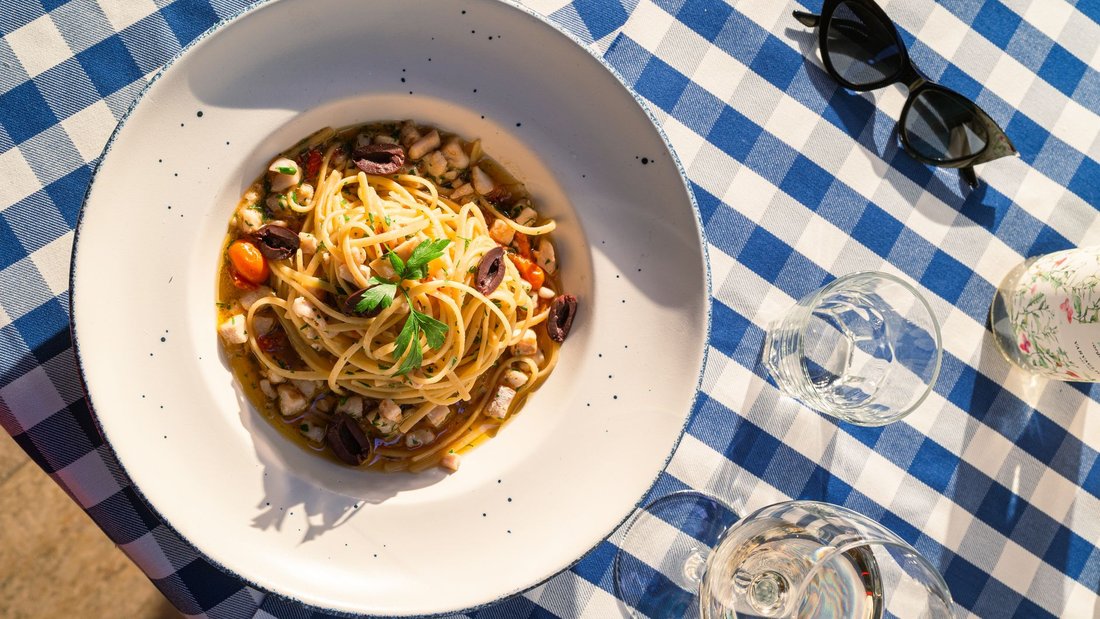
On a Tuesday night in February, the dining rooms along Taylor Street fill up the way they always have: families splitting a bottle of Chianti, couples working through a basket of bread before the pasta arrives, the particular unhurried quality of a meal that isn't trying to be anything other than dinner. Little Italy is not a trend. It's a fact of the city, and it has been since the late 1800s. If you want to know where to find the best italian restaurants in chicago, Taylor Street is the logical place to start, though it's far from the whole story.
Chicago's Italian restaurant scene has always had two modes: the red-sauce institution that's been feeding the same families for three generations, and the newer wave of places drawing from central and southern Italian traditions with shorter menus and more wine-forward sensibilities. Both have their place. The mistake is treating one as more legitimate than the other.
The Best Italian Restaurants in Chicago, by Neighborhood
Taylor Street in the Near West Side is the historic anchor. The stretch between Halsted and Ashland carries most of the weight, home to restaurants that have survived urban renewal, the construction of the University of Illinois campus, and every food trend of the last fifty years. The cooking here skews southern Italian: tomato-heavy, generous with garlic, built around pasta and veal. These are not places where you linger over a tasting menu. You order the thing you always order, and it's right.
What Taylor Street does well, it does with a consistency that's genuinely hard to replicate. The beef, the bread, the red sauce with a little heat behind it: none of this is accidental. It's the product of decades of repetition. The neighborhood's dining history goes back far enough that some of these kitchens predate the expressways that cut the city apart.
Where Else to Look
Logan Square has absorbed a different kind of Italian cooking over the last decade. The neighborhood's restaurant culture skews younger and more experimental without being precious about it, and a handful of spots there approach Italian food through a more regional lens: northern Italian preparations, house-made pasta that changes with what's at the market, wine lists that actually try. The Italian roots here are less visible than the Latino ones, but the cooking conversation between those traditions has produced some genuinely interesting food.
Andersonville, on the North Side, has always punched above its weight for dining, and the Italian options there run comfortable and well-executed. The clientele is neighborhood-first, which keeps things honest. You're not going to get a bad plate of pasta in Andersonville and be expected to be grateful for the ambiance.
Lincoln Park has the density and the disposable income, which means you'll find polished Italian-American dining there alongside places mostly banking on the address. The filtering principle: look for rooms designed for eating rather than for being seen eating. The ones that have lasted fifteen-plus years without a rebrand are usually a reliable sign.
What to Actually Order
Chicago Italian has its own logic, and it rewards people who lean into it rather than fight it. Pasta is the move at almost every price point. Risotto is worth ordering when a place makes it properly, since it takes time and attention that a lot of kitchens skip. Vitello dishes appear on nearly every Taylor Street menu and tend to be what the kitchen is most confident about. Tiramisu, done right, is still one of the better desserts on earth.
The bread situation matters. A basket of good bread before the pasta arrives is not a formality. It's information about how much the kitchen cares about the basics. The olive oil tells you the same. These are not sophisticated metrics, but they work.
A Note on the Red-Sauce Question
Certain food writing treats red-sauce Italian-American cooking as something to apologize for, or to redeem with an artisanal qualifier. That tendency is wrong, and it's worth saying so plainly. The cooking that came out of the Italian immigrant communities on Taylor Street and elsewhere in Chicago is real food with real history. It evolved in a specific place for specific reasons, and the best versions of it are as satisfying as anything you'll eat in this city.
The newer wave of Italian restaurants in Chicago is also genuinely good and worth seeking out: places working from more specific regional traditions, pouring Italian varietals beyond Pinot Grigio and Chianti, building menus around what's seasonal. The overlap between serious wine programs and Italian cooking has gotten more interesting here over the last few years, and a few spots have built their identities entirely around that pairing.
How to Use This Guide
The honest answer to where to find the best Italian food in Chicago: start in Little Italy if you haven't been, because the history matters and the cooking is reliable, then work your way out based on what you're looking for. A celebration dinner calls for something different than a Tuesday with a bottle of wine. A long lunch is a different category than a late dinner after a show.
Chicago rewards people who pay attention to neighborhood specificity. The Italian restaurant that fits perfectly into Andersonville would feel slightly out of place in Logan Square and might not survive a week on the Mag Mile. That isn't a flaw in the city's logic. It is the logic. Eat where the room matches the occasion, and where the kitchen has been doing this long enough to have earned the confidence it projects. That's the actual filter, and it holds up better than any ranking.