Things to Do in Chicago: A Local's Guide
A lifelong Chicagoan's honest, neighborhood-by-neighborhood breakdown of what actually makes this city worth your time — from the lakefront to the South Side.
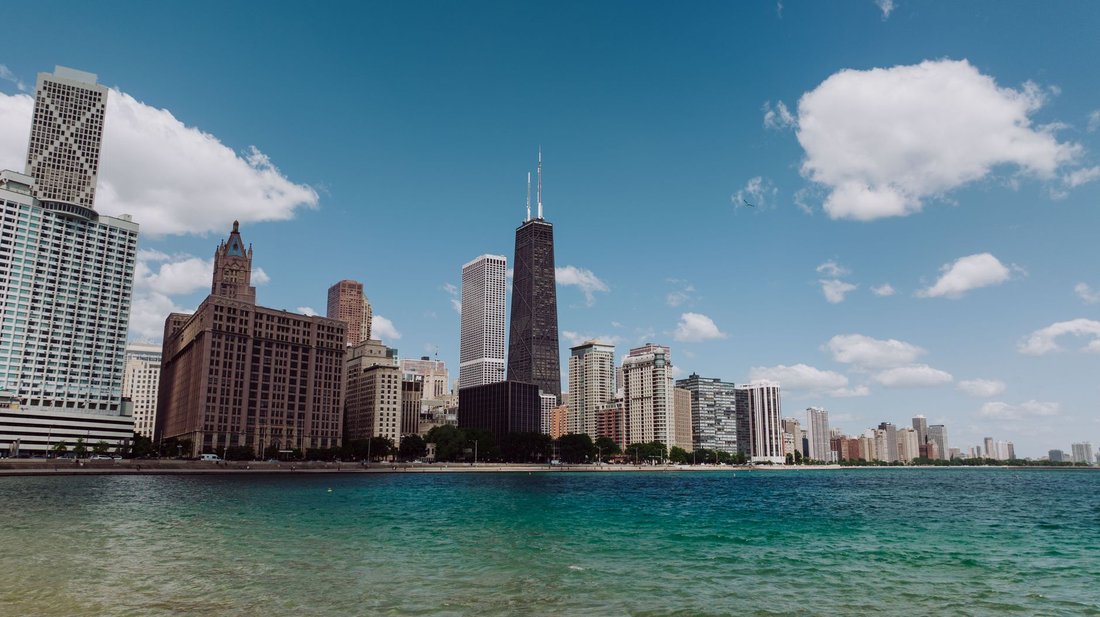
On a Tuesday in February, the lakefront running path between Fullerton and Oak Street is almost empty. The wind comes sideways off the water, the kind that makes your eyes water before you've even stepped outside, and the skyline sits hard and gray to the south. A man in a down parka runs past with his hood cinched tight. A woman walks a dog that clearly wants to go home. And somehow, even then, this stretch feels like one of the best places in the country to be. That's the city's oldest trick: it earns your loyalty on its worst days. If you're figuring out things to do in Chicago, start by understanding that the lake is not a backdrop. It's a fact of life here.
Things to Do in Chicago: The Lakefront and Downtown
Millennium Park and the Cloud Gate
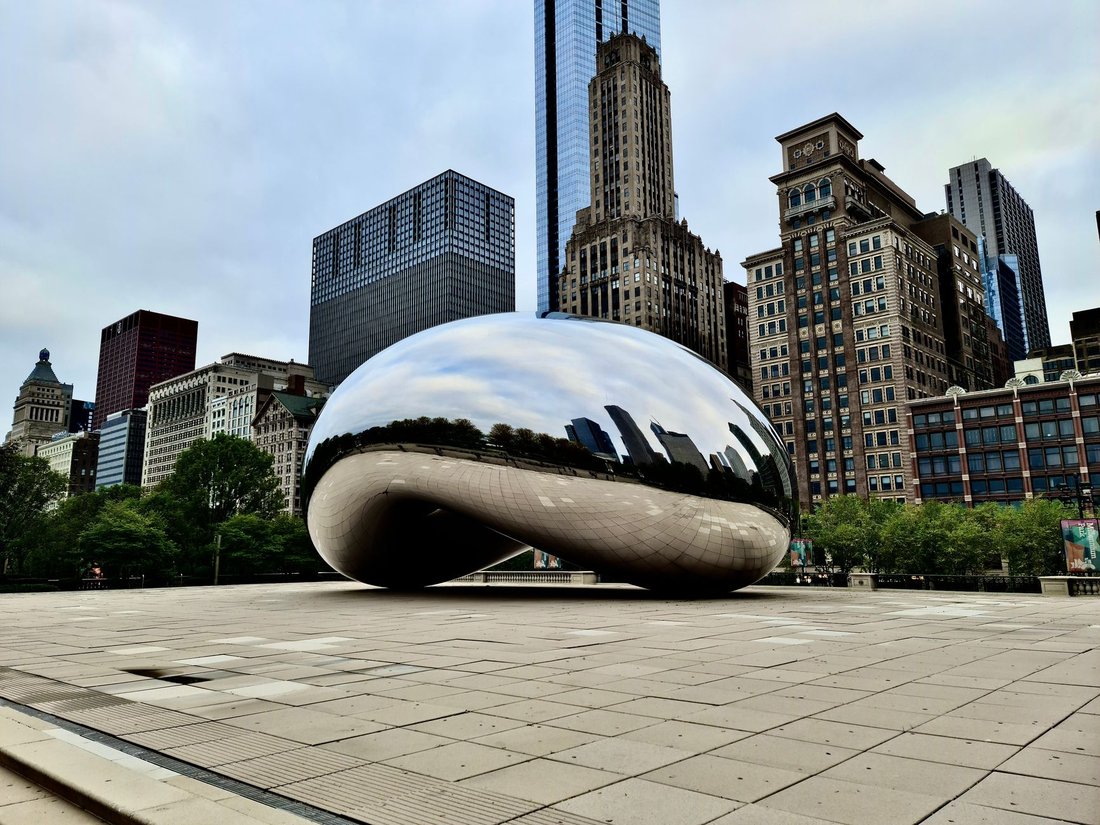
Yes, everyone goes to see the Bean. It's still worth it. The official name is Cloud Gate, but nobody calls it that, and the sculptor Anish Kapoor has made peace with this. The sculpture sits in the middle of Millennium Park, which opened in 2004 and remains the kind of civic space that proves public investment can produce something genuinely great. Grant Park surrounds it; the Pritzker Pavilion, Frank Gehry's outdoor music hall, anchors the east end, with a lawn designed to handle symphony crowds in summer. In winter the ice rink opens in the park's northwest corner. The art installations rotate. The whole thing is free to enter, and it's packed on weekends for good reason: the skyline reflection in the Bean's underbelly is worth any number of photos.
The Art Institute of Chicago
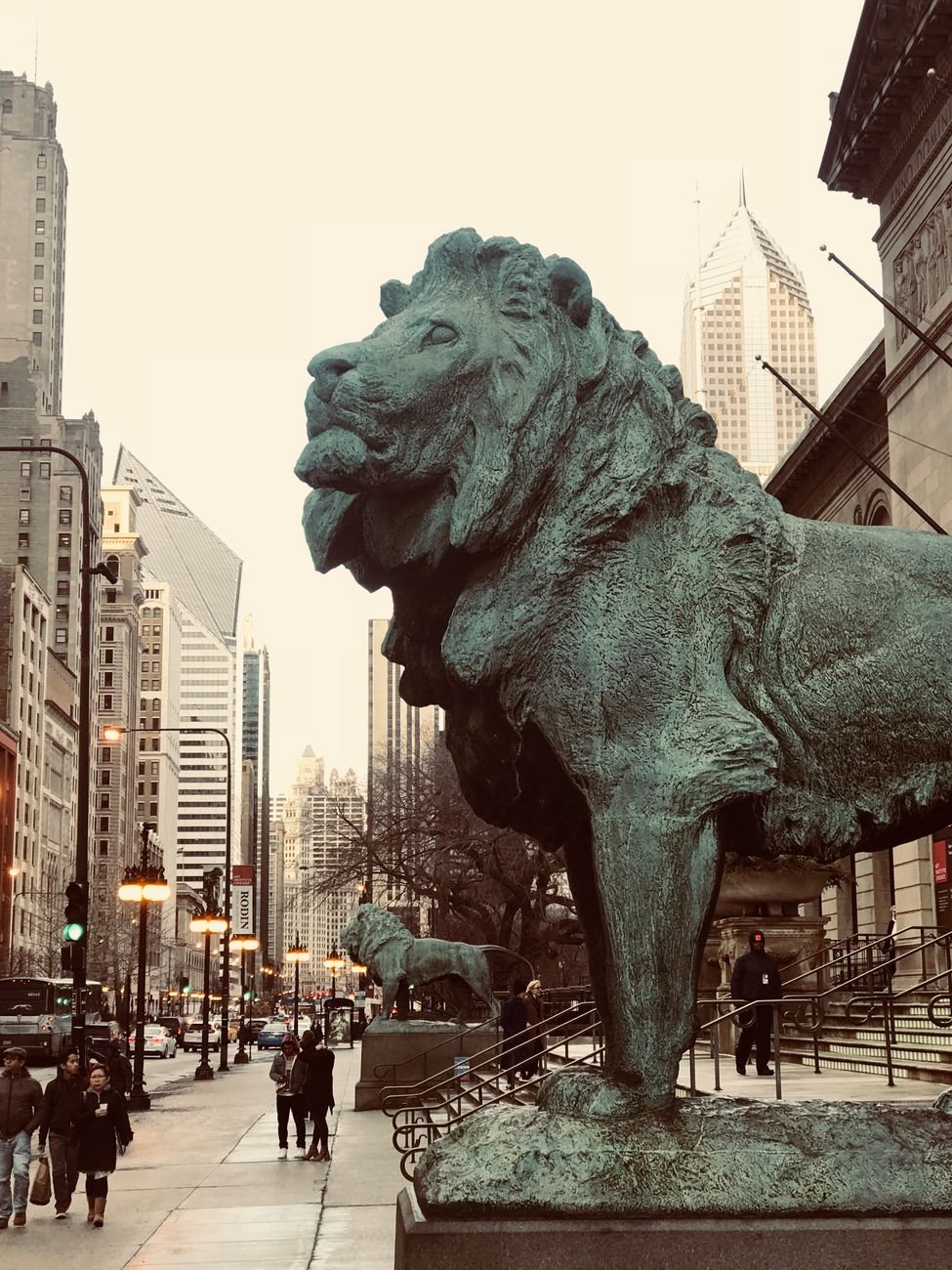
The Art Institute is one of the great encyclopedic art museums in the world, and Chicagoans tend to treat it like a neighborhood resource rather than a destination, which is exactly the right attitude. The permanent collection runs from ancient Egyptian artifacts to twentieth-century American painting, Georges Seurat's A Sunday on La Grande Jatte, Grant Wood's American Gothic, and Edward Hopper's Nighthawks all live here. The Modern Wing, designed by Renzo Piano and opened in 2009, is a landmark in its own right. Give it at least three hours on a first visit; give it a whole afternoon if the weather turns. The museum sits at the south end of Millennium Park on Michigan Avenue, and the bronze lion statues at the entrance are among the most photographed objects in the city.
The Chicago Riverwalk
The Riverwalk runs along the main stem of the Chicago River from Lake Shore Drive to Lake Street, and it's one of the better uses of urban infrastructure the city has produced in recent decades. The lower level, below street grade, right at water level, opened in stages between 2015 and 2017, turning what had been a neglected service corridor into a stretch of restaurants, kayak rentals, and seating where you can watch the boats go through the locks. The architecture tour boats leave from Wacker Drive, and an architectural river cruise is a legitimate way to spend two hours if you have any interest in buildings. Chicago's downtown skyline from water level reads very differently than it does from the street. The riverwalk connects easily to the L and to the lakefront path, making it a natural hub for an afternoon of wandering.
Museums Worth Half a Day Each
The Field Museum
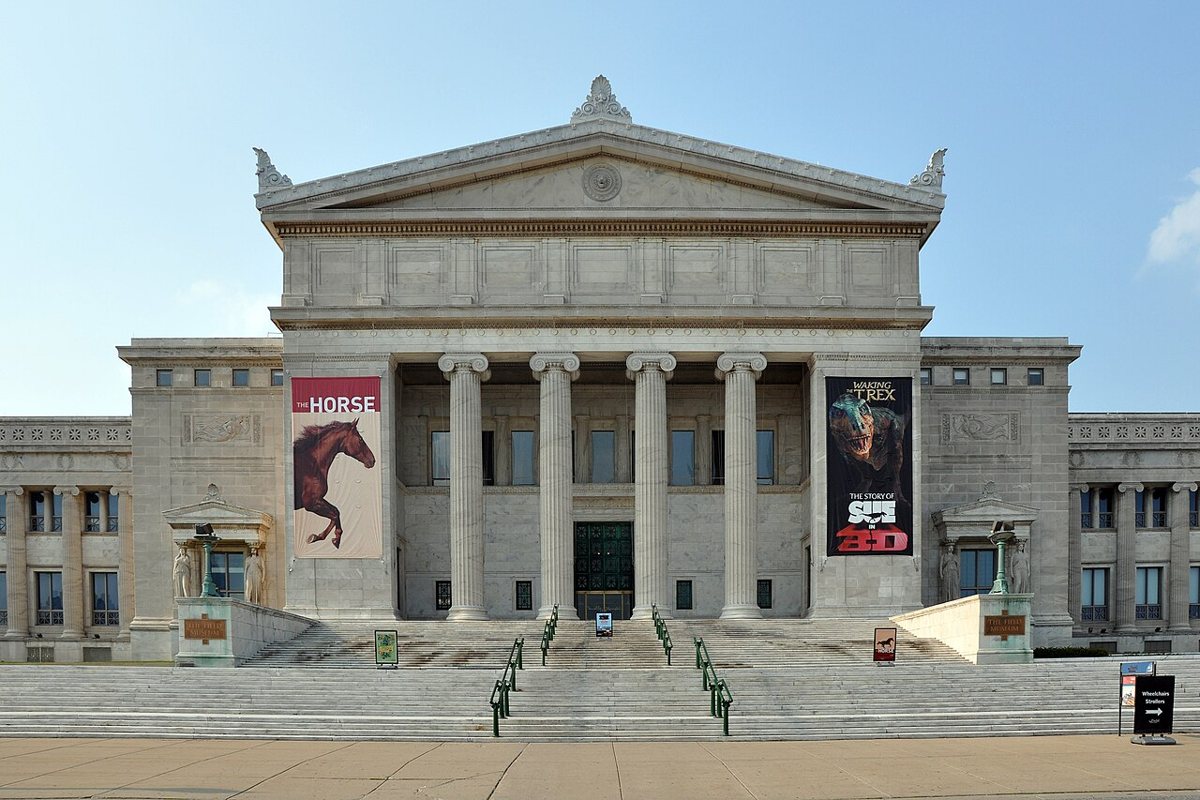
Sue the T. rex has a whole room to herself now, the 67-million-year-old fossil was moved in 2018 to a dedicated gallery where the museum built the display around her rather than shoehorning her into a lobby. The Field Museum is a natural history museum in the grand tradition: taxidermied mammals, geological specimens, an Egyptian mummy collection, and the kind of scale that makes you realize how much there is to know about the physical world. It sits on the Museum Campus south of downtown, which also holds the Shedd Aquarium and the Adler Planetarium. Plan for at least four hours; the basement gemstone gallery alone can eat an hour if you let it.

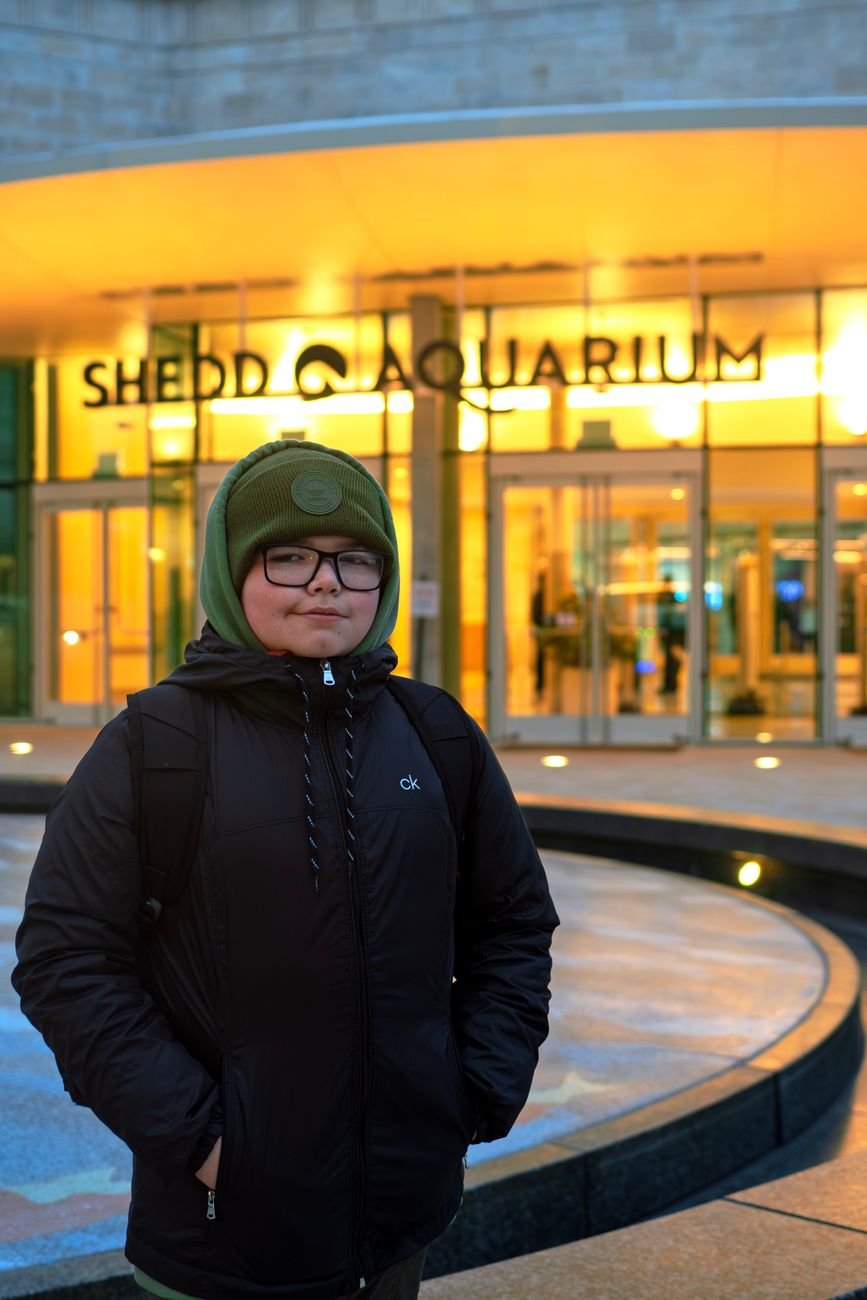
The Shedd Aquarium
The Shedd opened in 1930 and has been a serious institution ever since, not just a tank of fish but a research and conservation organization that happens to let you watch beluga whales from about fifteen feet away. The dolphin and whale presentations in the Oceanarium are where most first-timers go, but the reef tank in the original building, which holds a Caribbean reef ecosystem in a circular room, is where you should spend the most time. The aquarium sits right on the lakefront next to the Field Museum, and on a clear day the view of the lake from the Museum Campus paths outside is worth the walk even before you go in.
The Museum of Science and Industry
This one requires a trip to Hyde Park, and it's worth making. The Museum of Science and Industry occupies the only surviving building from the 1893 World's Columbian Exposition, a neoclassical structure that was later renovated and reopened as a museum in 1933. The U-505, a German submarine captured during World War II, is the centerpiece of the lower level; visitors can go inside. The coal mine exhibit has been running since the 1930s and remains one of the best hands-on demonstrations of industrial labor in any American museum. Hyde Park itself rewards a longer visit: the University of Chicago campus is architecturally stunning, and the neighborhood has a street life and intellectual density that doesn't exist anywhere else on the South Side.
Neighborhoods Worth an Afternoon
Logan Square
Logan Square became Chicago's restaurant destination of the past decade, and it holds that position because the cooking here is serious. The neighborhood grew up as a working-class Latino community, and those roots show in the taqueries and panaderías that predate the wave of new restaurants, both are worth your attention. The boulevard system that runs through the neighborhood is one of the city's great pieces of urban planning: wide, tree-lined boulevards laid out as part of the city's historic 1890s boulevard system that somehow make the whole neighborhood feel roomier than it is. The Logan Square Farmers Market runs on Sundays from spring through fall and is one of the better ones in the city. Bring cash and plan to eat something standing up.
Pilsen
The murals in Pilsen are the most immediate thing, you'll see them before you've parked your car or gotten off the Pink Line at 18th Street. The neighborhood on the Lower West Side has been a Mexican-American community since the mid-twentieth century, and the public art reflects that: street murals, painted building facades, work that treats the built environment as a canvas. The National Museum of Mexican Art, at 1852 W. 19th Street, is the country's largest Latino arts institution and admission is free. The 18th Street commercial strip has restaurants, bakeries, and coffee shops that pull visitors from across the city. Go on a weekday if you want to move at your own pace; weekends are crowded, especially in the area around the museum.


Andersonville
Andersonville sits on the North Side in the Rogers Park/Edgewater corridor, anchored by Clark Street on the far North Side. The neighborhood has been an LGBTQ community hub since the 1970s and has one of the more distinctive commercial strips in the city: independent bookstores, restaurants that have been open long enough to develop regulars, and a Swedish cultural thread that goes back to when this was a Scandinavian immigrant neighborhood. The Swedish American Museum on Clark Street still operates. Ann Sather, the Swedish diner known for cinnamon rolls the size of a hand, has a location here. Walk a few blocks west to Catalpa or Summerdale and you're in a residential area that looks like what Chicago used to look like before the gut-rehab wave.
Bronzeville
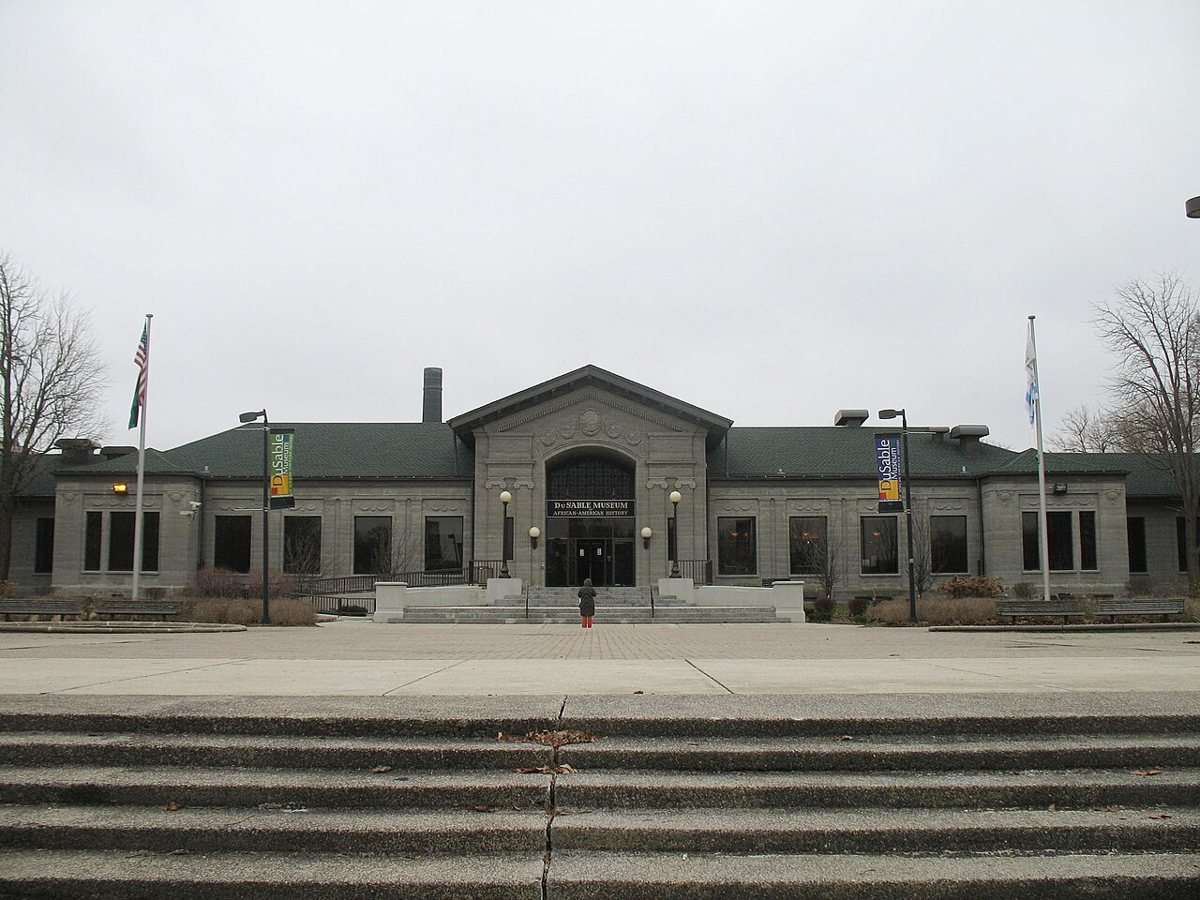
Bronzeville on the South Side was the center of Chicago's Black cultural and commercial life during the Great Migration, the stretch of the city where figures like Louis Armstrong, Ida B. Wells, Gwendolyn Brooks, and Richard Wright lived and worked. The neighborhood has been underinvested for decades, and honest coverage of Chicago acknowledges that directly. But the history is still physically present in ways that matter. The Chicago Defender building at 3435 S. Indiana Avenue was the headquarters of one of the most important Black newspapers in American history. The DuSable Black History Museum and Education Center in Washington Park tells this story in depth, with permanent and rotating exhibitions that cover the full arc of Black life in Chicago. The Bronzeville Walk of Fame, a series of honorary street signs along Martin Luther King Jr. Drive, names the figures who made the neighborhood significant.

Music, Sports, and the Green Mill
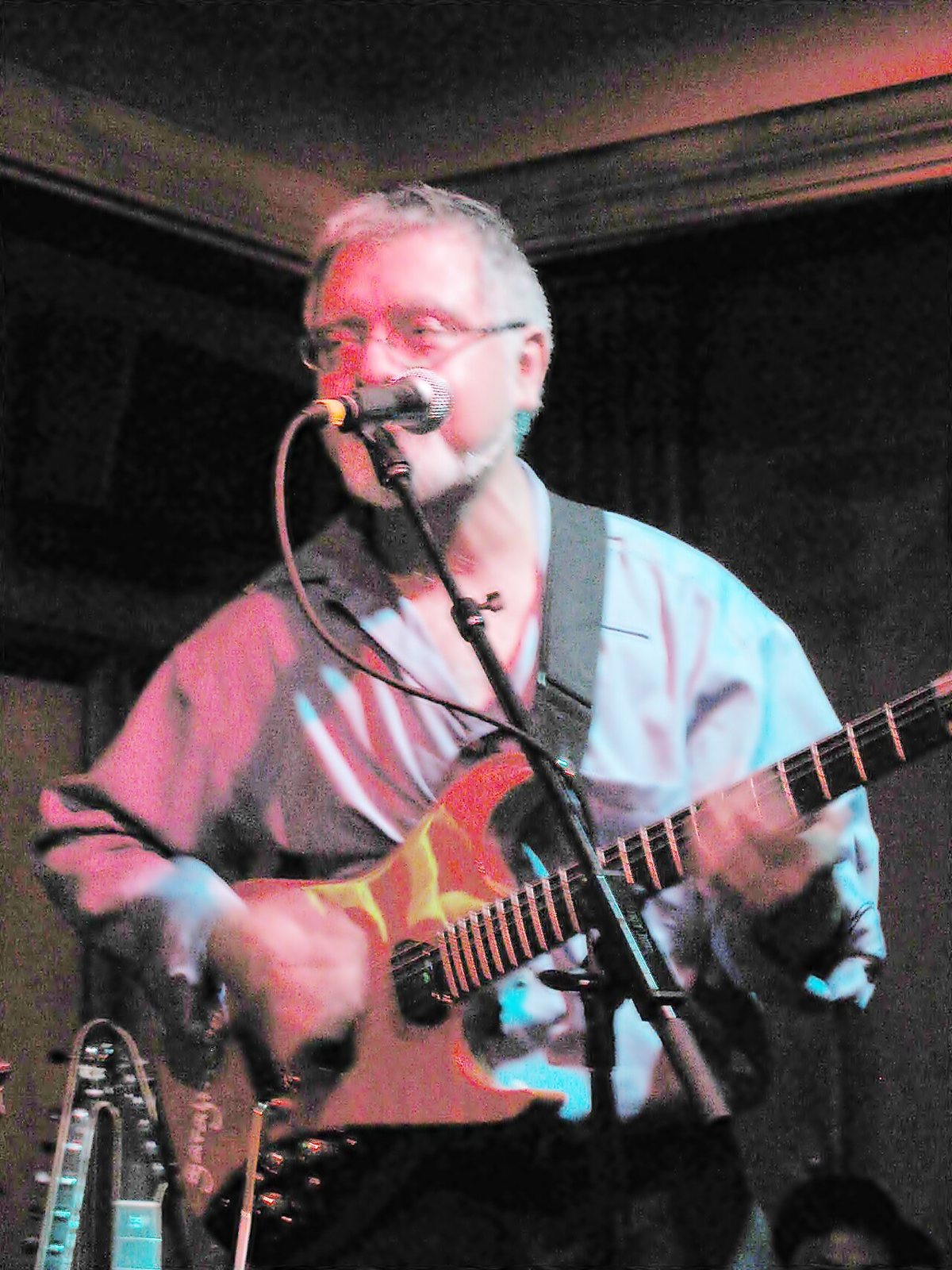
The Green Mill
The Green Mill has been open since 1907, which in Chicago terms means it has outlasted multiple rounds of urban renewal, economic collapse, and the general twentieth century. It's a jazz club on Broadway in Uptown, and it operates seven nights a week with live music. The Sunday night Uptown Poetry Slam has been running since 1986, which makes it the longest-running poetry slam in the country. The interior, curved wooden booths, a long bar, low light, has barely changed since the 1930s, when Al Capone allegedly kept a booth near the back door. The music starts late by neighborhood bar standards; this is not an early-dinner destination. Take the Red Line to Lawrence and walk two blocks.

Wrigley Field
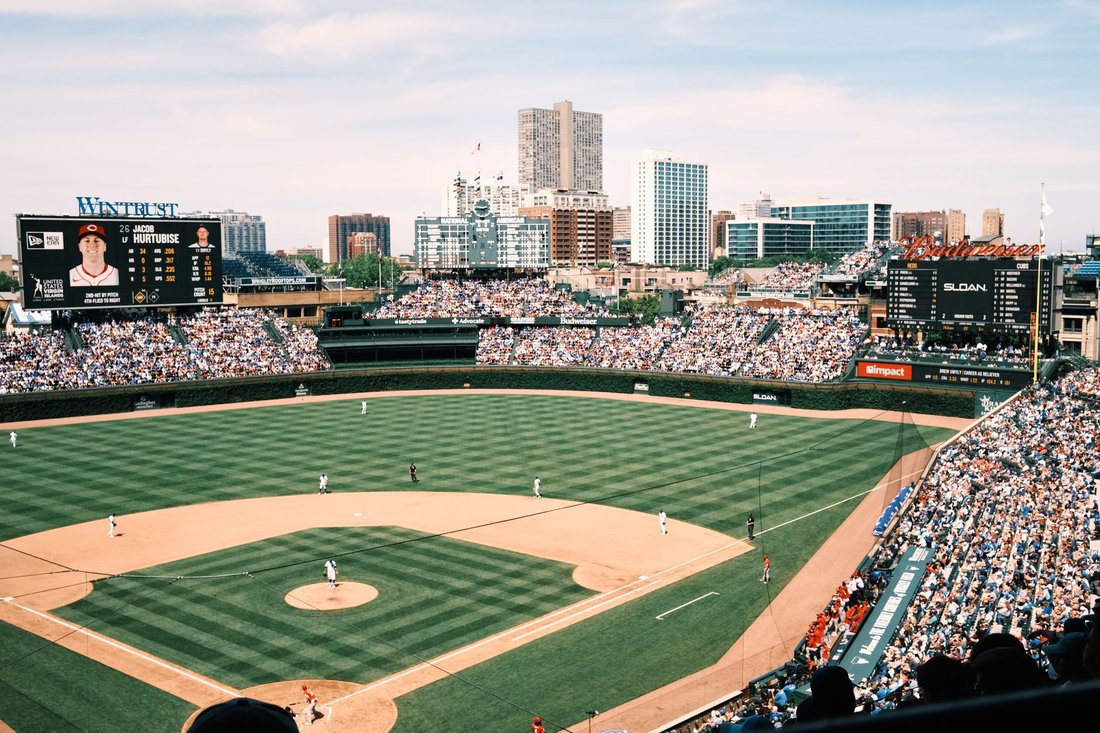
Wrigley Field opened in 1914, which makes it the second-oldest Major League Baseball stadium in the country, and it remains one of the better arguments for preserving old things. The ivy on the outfield wall was planted in 1937. The hand-operated scoreboard in center field is still operated by humans during games. The rooftop bleachers across Waveland and Sheffield that overlook the outfield are a Chicago-specific phenomenon that doesn't exist anywhere else. Wrigleyville, the Lakeview neighborhood around the park, is loud and crowded on game days and entirely different the rest of the time. If you can get tickets to a day game, take them; the afternoon light in the bleachers on a clear day is one of those experiences the city offers that feels unrepeatable.
Guaranteed Rate Field
The White Sox play on the South Side at Guaranteed Rate Field, and if you've only been to Wrigley you're missing a different kind of Chicago baseball experience. The park is bigger, the crowds are different, and the South Side has its own relationship to the team that goes back generations. The stadium is off the Dan Ryan Expressway near Bridgeport; take the Red Line to 35th-Bronzeville-IIT. The sightlines are good and the upper deck has views of the downtown skyline that you don't get from any North Side vantage point.
Parks and Open Space
The 606
The 606 is a raised trail that runs 2.7 miles from Wicker Park west through Humboldt Park, built on a decommissioned rail line and opened in 2015. It's Chicago's version of New York's High Line, though the comparison undersells it, the 606 passes through four distinct neighborhoods, some of which were not connected to each other in practical terms before the trail opened. The Wicker Park end is the most developed; the Humboldt Park end gets you deeper into neighborhoods that most tourists never see. Early morning on a weekday the trail is quiet and you can actually look at the architecture of the two-flats and three-flats that line the route. The neighborhoods the 606 passes through represent a cross-section of the city's Northwest Side that repays attention.
Lincoln Park Zoo and the Garfield Park Conservatory
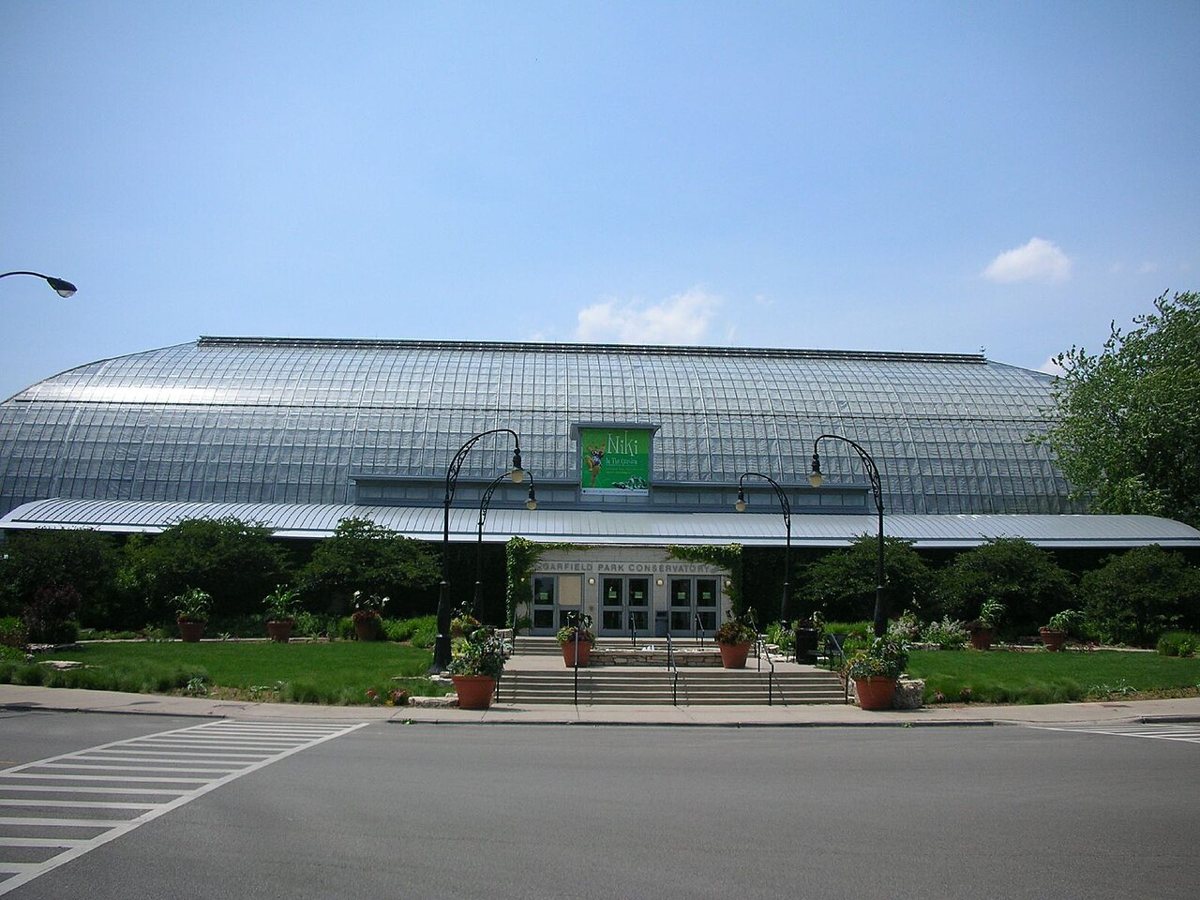
Lincoln Park Zoo has been free to enter since 1868, which is either a great civic tradition or evidence that Chicago has always understood that some things should be accessible to everyone. The zoo sits inside Lincoln Park, the largest park in the city, with the lagoon on one side and the lakefront on the other. It's a manageable size; you can see the whole thing in two to three hours without rushing. The Garfield Park Conservatory, on the West Side at 300 N. Central Park Avenue, is a different kind of experience: a massive glass greenhouse complex built in 1907 that holds one of the largest botanical collections under glass in the country. The fern room alone, with its eight-foot tree ferns, justifies the trip across town. Admission is free.

Practical Notes
Getting Around
The L, the raised train system, connects most of the places described here. The Red Line runs north-south through the core of the North Side and connects downtown to the South Side; the Blue Line goes from O'Hare through Logan Square to the Loop; the Pink Line serves Pilsen. The Red and Blue lines run 24 hours. A Ventra card or the Ventra app handles fares; day passes are available and worth it if you're making multiple trips. Cabs and rideshares are plentiful downtown but can be expensive and slow during rush hour. For the lakefront path and the 606, the only practical mode is walking or biking, Divvy, the city's bikeshare system, has stations throughout the city.
Timing and What's Free
- Millennium Park is free to enter and open daily.
- The Art Institute is free for Chicago residents and for visitors under 14. Check the museum's current policy for other visitors.
- The Field Museum, Shedd Aquarium, and Museum of Science and Industry charge admission; the Chicago CityPASS bundles these if you plan to visit multiple museums.
- The Green Mill and Wrigley Field are both accessible by Red Line; the former is cash-preferred at the door, the latter requires advance tickets for most games.
- The National Museum of Mexican Art in Pilsen is free. The DuSable Black History Museum charges a modest admission.
- Lincoln Park Zoo is free year-round. The Garfield Park Conservatory is free with suggested donation.
- Summer (June through August) is peak season; the lakefront is crowded and hotel prices rise. The shoulder seasons, May and September, offer the best combination of weather and manageable crowds. Winter has its own rewards for people willing to be cold.
Food You Should Not Miss
This is not a restaurant guide, but a few things bear mentioning. An Italian beef sandwich, dipped (meaning the whole sandwich goes briefly into the cooking juices), with hot giardiniera, is one of the city's genuinely irreplaceable food experiences. Chicago's food scene extends well beyond the Italian beef, the tavern-style thin-crust pizza that most Chicagoans eat on a regular basis bears almost no resemblance to the deep dish that gets attention from the outside, and if you want to understand what the city actually eats, that's where to start. Deep dish is worth trying once; tavern-style is worth understanding. The Chicago-style hot dog (beef, mustard, relish, onion, tomato, pickle, sport peppers, celery salt, all on a poppy seed bun, no ketchup ever) is available from a hundred different stands and each one has its loyalists. Malört, the aggressively bitter Swedish-American spirit, is worth a single shot if only to understand why it has the cultural position it does.
Chicago is not an easy city to visit quickly, because its scale demands commitment. The South Side alone could occupy a week of serious attention, and most visitors never make it past the Museum Campus. The neighborhoods described here are a starting point, not a summary. The city's size is part of what it offers: there's enough of it that repeated visits keep turning up new things. That's not a selling point, it's just what the place is like, and it's been true since before most of the buildings were built.