Romantic Things to Do in Chicago for Couples
From a Riverwalk cocktail to a jazz booth at the Green Mill to a quiet limestone point in Hyde Park, here's a plainspoken guide to the city's best date-night ground, with the honest wind-chill caveats included.
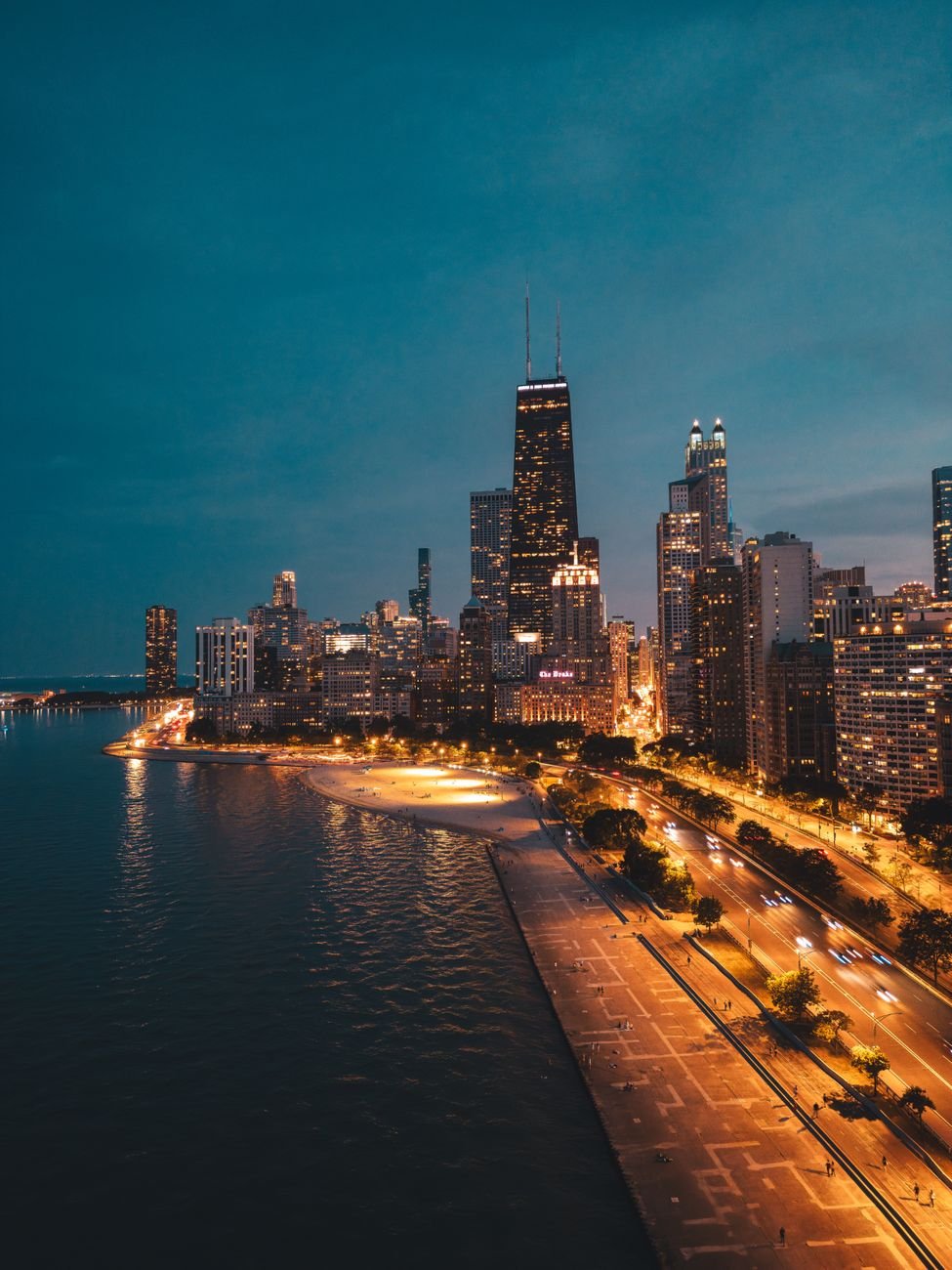
The lake was throwing whitecaps over the rocks at Fullerton Avenue on a Tuesday night in February, spray freezing where it landed, and the two people leaning into the railing in matching red coats didn't look like they wanted to be anywhere else. That's the case for romantic things to do in Chicago for couples: the good ones don't wait for good weather, because this city rarely hands you any. Chicago doesn't measure itself against New York, and it doesn't need a canal full of candles to make its case. It has a lake that behaves like an ocean, neighborhoods that argue their own case, and a downtown you can walk straight into off the train. This guide moves by kind of evening and by neighborhood, starting downtown at the river, working north and west through the parks, and landing on the South Side, where some of the best views in the city are also the quietest.
Romantic Things to Do in Chicago for Couples Downtown and Along the River
The Chicago Riverwalk after the office towers empty out
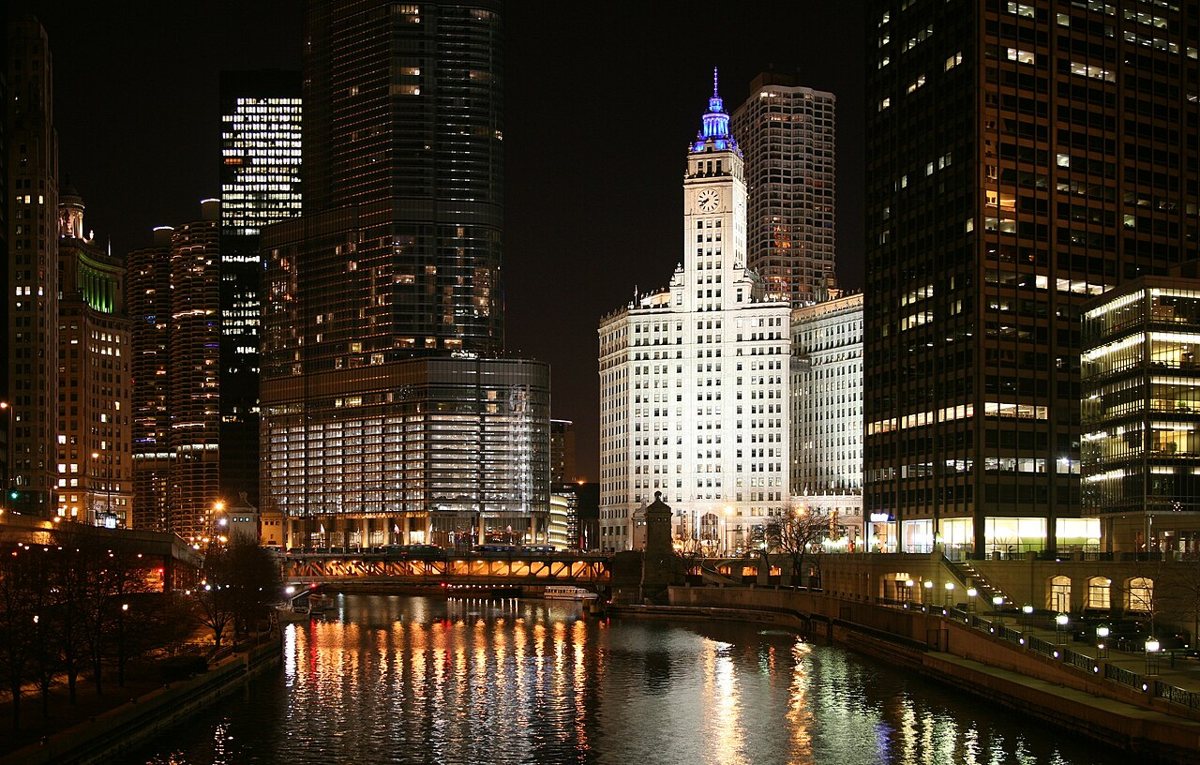
The Riverwalk runs along the south bank of the Chicago River from Lake Shore Drive back toward Lake Street, and it changes character completely once the workday crowd clears out. Around sunset the light comes off the water and up the glass on the Marina City corncobs and the Wrigley Building, and the path narrows into a series of little coves with cafe tables where you can sit with a glass of wine two feet from the river traffic. Kayak rental stands and architecture boat docks line the route during the warmer months, and a boat tour is its own kind of date if you'd rather sit than walk. The insider move is to start at the east end near the lake and walk west against the crowd, so you're facing the skyline instead of your back to it. It's free to walk, and it stays lit and populated well into the evening, which makes it one of the few downtown spots that feels safe and unhurried after dark.

Cloud Gate at the hour nobody else picks
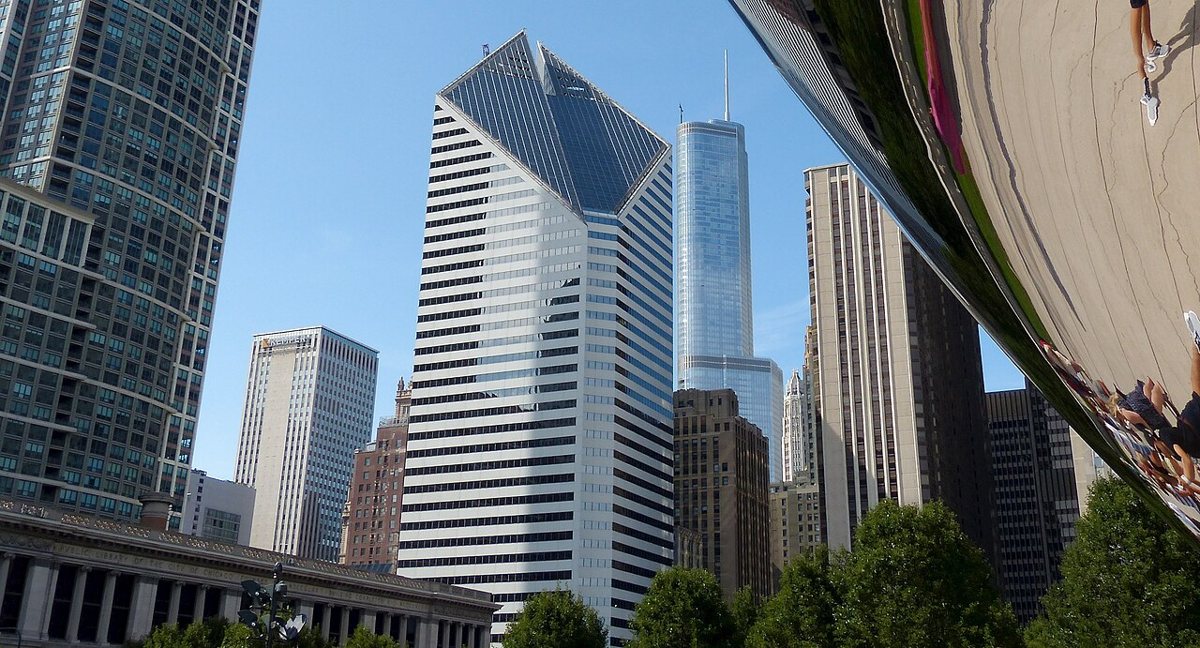
Everybody knows the Bean. Fewer people show up at seven in the morning, when the tour buses haven't arrived and the polished steel is doing its warped, funhouse thing to an empty AT&T Plaza. Millennium Park opens early, and standing under Cloud Gate before the city fills in around you is a genuinely different experience than fighting a crowd for a photo at noon. In warmer months, walk south into the Lurie Garden behind the Pritzker Pavilion, where the perennial plantings are left deliberately wild and the paths are narrow enough that you end up close together without trying. Millennium Park connects directly to Maggie Daley Park and the Riverwalk on foot, so this works as the first stop of a longer downtown loop rather than a destination on its own. Everything here is free, all day, every day.

The Tiffany dome at the Chicago Cultural Center
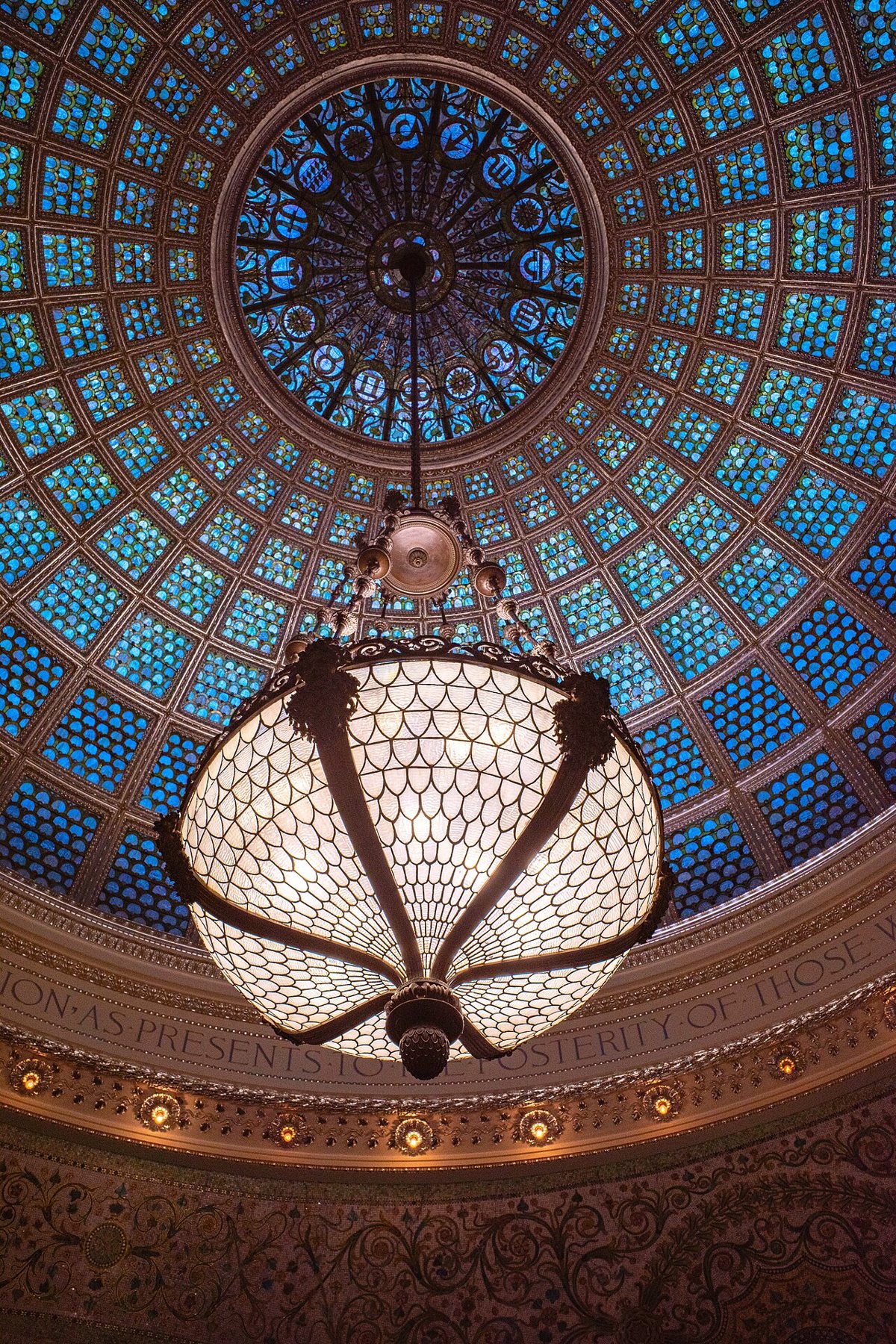
The Chicago Cultural Center, at the corner of Michigan and Washington, holds the largest stained glass Tiffany dome in the world in its south wing, and almost nobody visiting Chicago for the first time knows it's there or that it's free. The building used to be the city's public library, and the marble staircases and mosaic ceilings still read like a much older, grander institution than the tourist crowds outside on Michigan Avenue would suggest. Time it for a weekday afternoon when the light comes through the glass and the halls are close to empty, and you can stand under the dome without another soul in the room. The Cultural Center also runs rotating art exhibitions and free classical concerts in Preston Bradley Hall, so it's worth checking the building directory when you walk in rather than heading straight for the dome. It closes early most evenings, so this is a daytime or early-evening stop, not a nightcap.

Museum Campus at the water's edge
The stretch of parkland where the Field Museum, the Shedd Aquarium, and the Adler Planetarium sit together on a peninsula jutting into the lake gives you the single best angle on the skyline in the city, and it costs nothing to walk it. The Adler's front steps face west, straight at the skyline across a slip of harbor, and at dusk that view turns the whole downtown into a wall of orange light. Couples who want the museums themselves should pick one, not all three, and treat the walk between them as the actual point of the visit. In summer the grassy slopes fill with people watching sailboats come back into Monroe Harbor, and it's an easy spot to bring a blanket and something to eat instead of paying for a restaurant table with the same view. The 12 and 146 buses connect Museum Campus to the Loop, and it's a flat, easy walk from the Roosevelt Red Line stop.
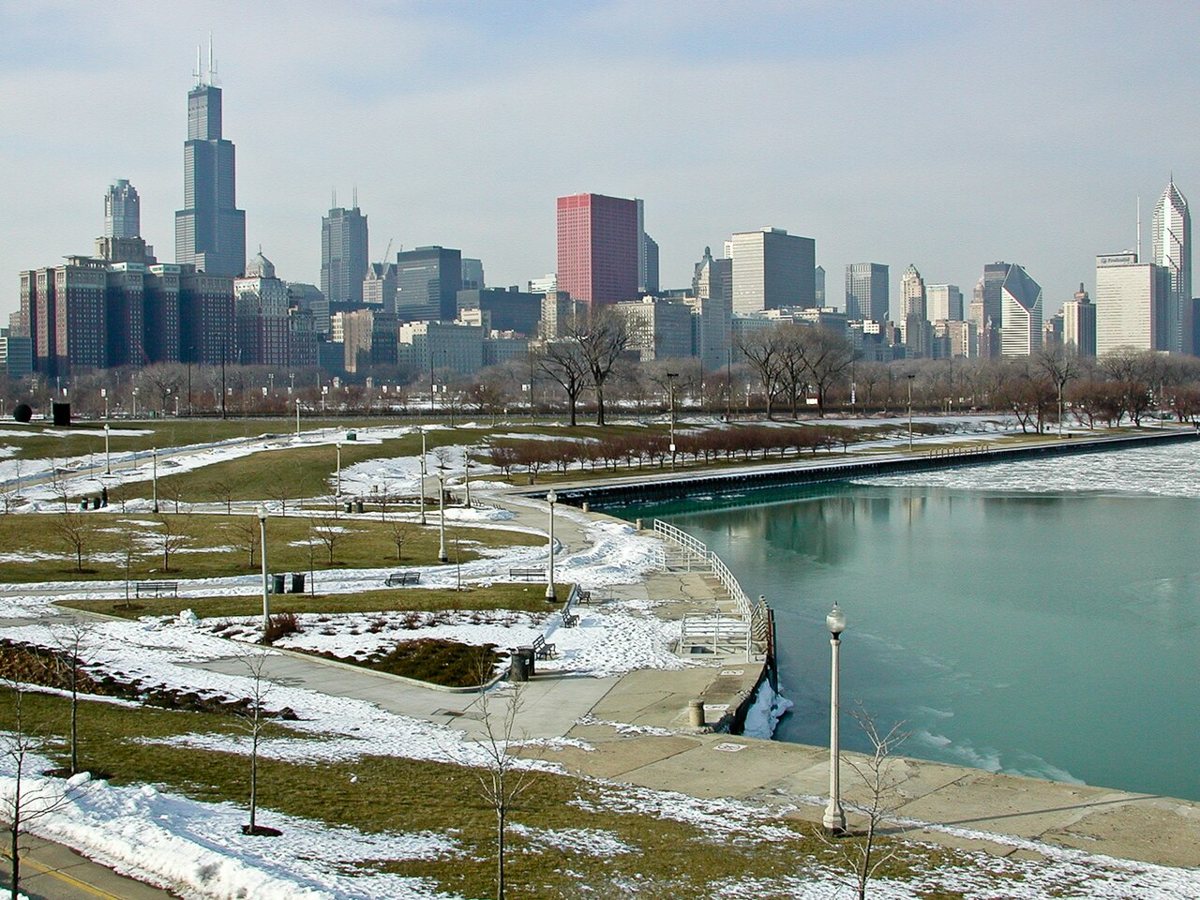

North Side Parks and Long Walks
The Palm House at Lincoln Park Conservatory
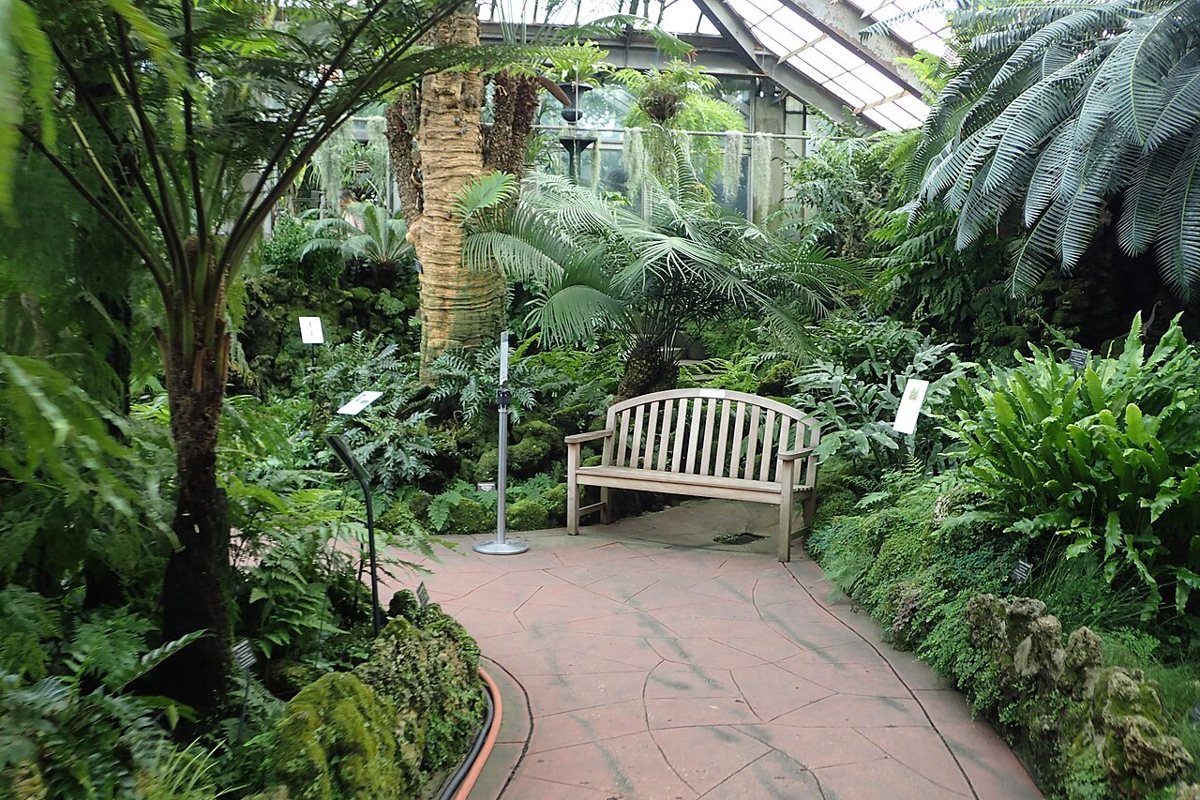
On the kind of gray, wet Chicago afternoon that makes staying inside feel mandatory, the Lincoln Park Conservatory solves the problem by putting you inside a rainforest instead. The Palm House alone is worth the visit, humid and green and quiet, with benches tucked between the ferns where you can sit for as long as you want without anyone rushing you along. The conservatory sits inside Lincoln Park itself, a short walk from the Lincoln Park Zoo, so the two pair naturally into an afternoon that costs nothing at either stop. Go on a weekday if you can. Weekend afternoons bring school groups and strollers, and the quiet the place is built for gets harder to find. Afterward, the paths through Lincoln Park toward the lagoon and the lakefront make for an easy continuation of the walk without needing a car or the L.

The 606, end to end
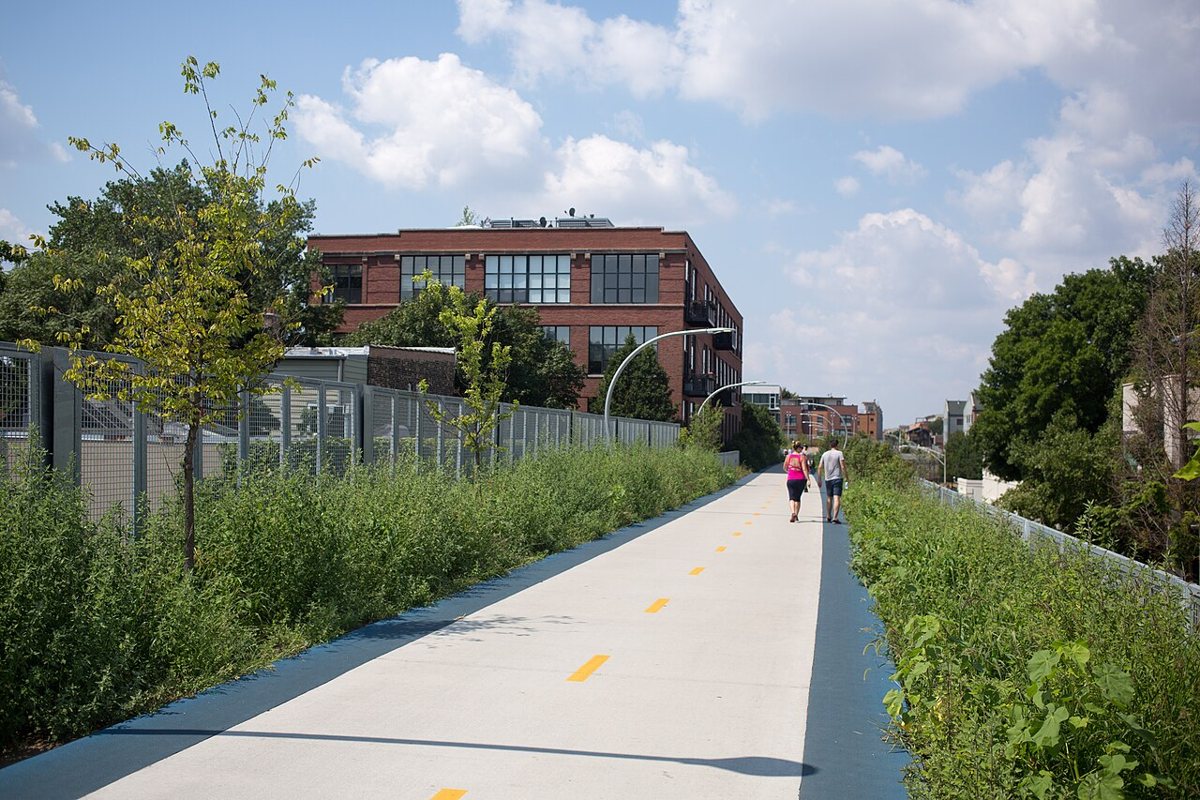
The 606 is the trail built on a former rail line, raised above street level, that runs roughly three miles through Bucktown, Wicker Park, Humboldt Park, and Logan Square, and walking or biking the whole thing puts you above the rooflines of four different neighborhoods in about an hour. It's the closest thing Chicago has to the High Line, minus the crowds and the entry line, and the mix of prairie plantings and street art along the route changes block by block. The Milwaukee Avenue end near Bucktown has the highest concentration of restaurants and bars for a stop halfway through, while the Humboldt Park end feels more residential and a lot quieter. Renting bikes and riding the length of it before sunset, then walking back down into whichever neighborhood has the better dinner reservation, is a full evening on its own. It's free and open until 11 p.m.

North Avenue Beach and the lakefront path at golden hour
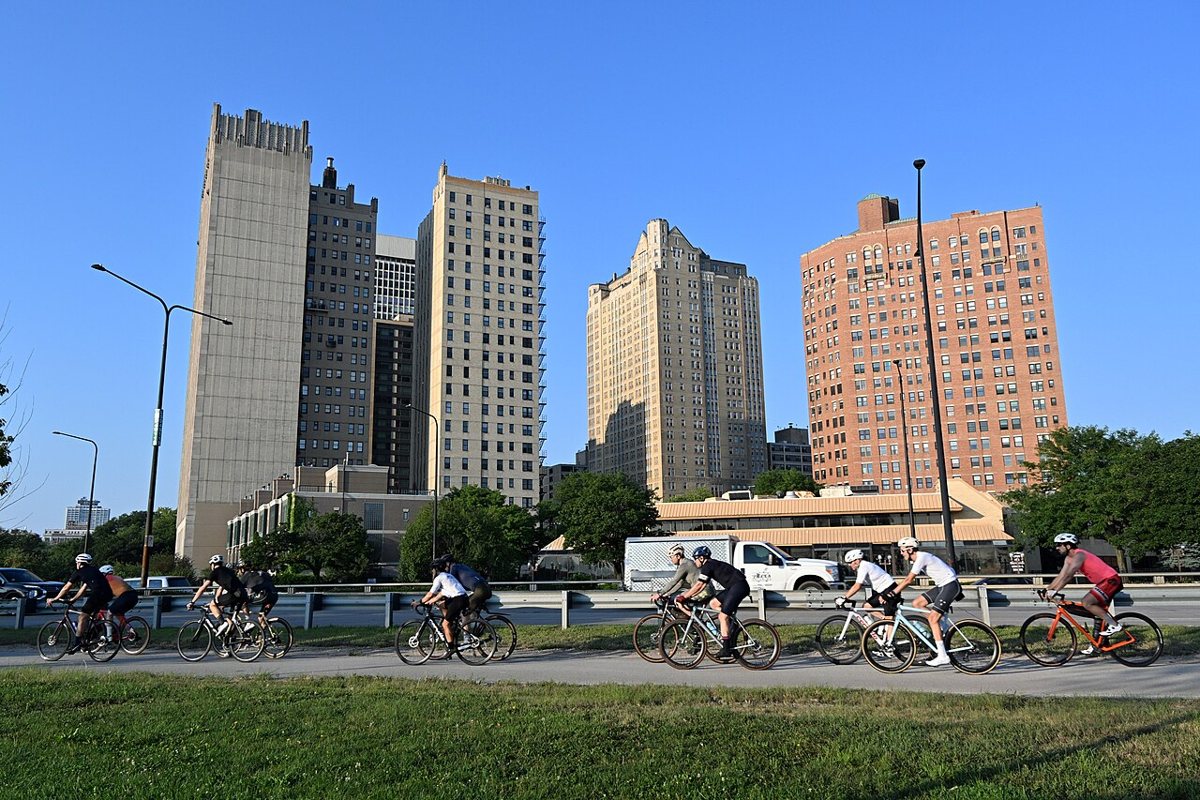
North Avenue Beach draws the summer crowds for a reason: the sand runs right up against the Lakefront Trail, the beach house looks like a stranded ocean liner, and the skyline sits directly behind you no matter which way you're facing the water. Late afternoon, once the volleyball games start clearing out, is the best window for a walk along the water without fighting a beach towel for space. The Lakefront Trail itself runs about eighteen miles along the water, the length of the city's shoreline, and you don't need to walk more than a mile or two of it to get the effect: open water on one side, the entire skyline rising on the other. Renting a bike from one of the docks near the beach and riding north toward Montrose Beach adds distance without adding cost beyond the rental. Sunset here in the summer runs late, past eight, which buys more daylight than most visitors expect from a Midwestern city.

An evening in Andersonville
Clark Street through Andersonville is a walking date built entirely out of small stops rather than one big destination: a bookstore, a candle shop, a wine bar with three tables, a Swedish bakery that's been there since before the neighborhood had a name for itself. The blocks between Catalpa and Balmoral are dense enough that you can wander without a plan and still end up somewhere good for dinner. It's one of the city's longstanding LGBTQ-friendly neighborhoods, and that history shows up in the bars and the crowd on a Friday night without ever feeling performative about it. Parking is tight, so this is a better night for the Red Line to Berwyn than for driving, and the walk from the station down into the commercial strip is short enough that it barely counts as a commute.
A Night Out: Jazz, a Rooftop, and Dinner That Runs Long
The Green Mill, still doing what it's always done
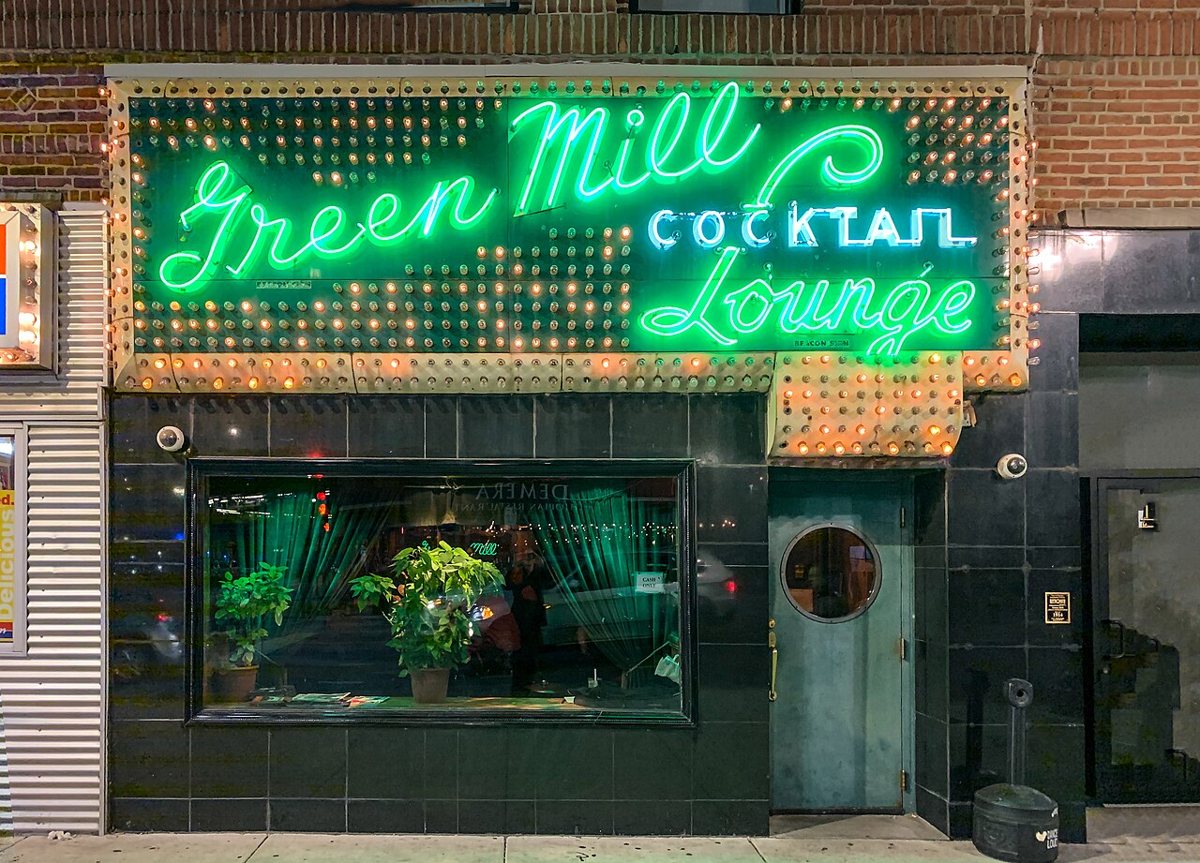
The Green Mill in Uptown has been running as a jazz club since the years before Prohibition ended, and it still books live jazz nearly every night of the week under a low ceiling, red vinyl booths, and a neon sign outside that's practically a city landmark on its own. The room is small enough that there's no real bad seat, and the crowd skews toward people who are actually there for the music rather than the scene, which makes it a good pick for a couple who wants to sit close, order a couple of drinks, and not talk over each other for two hours. Sunday nights bring the Uptown Poetry Slam, which has run continuously since the 1980s and is worth building an evening around if you want something with more edge than a jazz set. Get there early. There's often a cover after a certain hour, and the good booths fill in fast once the first set starts.

Start higher up, then come back down to earth
Before a jazz set or a late dinner, a lot of couples start the night at a rooftop over the river or the lake, where the drinks cost more but you're paying for the skyline doing the work a candle can't. The West Loop and River North have the highest concentration of rooftop bars with unobstructed river views, and most don't take reservations for the bar itself, so arriving before the dinner rush gets you a table without the wait. Pair that with a long dinner afterward, somewhere with a wine list and no set turn time, and you've got a full evening that never once requires a car. The next morning is its own kind of date too. A long brunch, with no agenda past the second cup of coffee, is a good way to close out a weekend that started on a rooftop the night before.
Honest South and West Side Romance
Promontory Point, Hyde Park
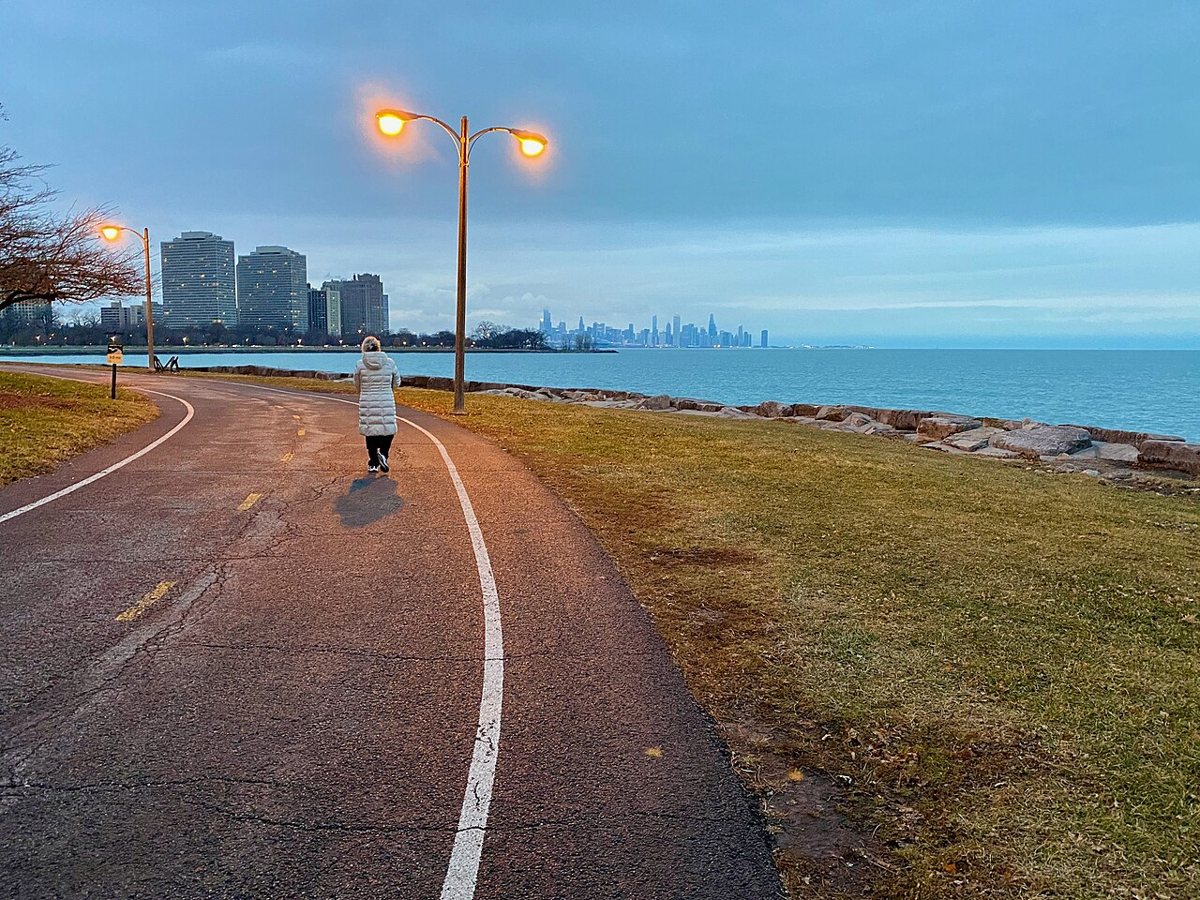
Promontory Point is a limestone peninsula jutting into the lake at 55th Street in Hyde Park, built in the 1930s, and it gives you a wide-open, unobstructed view of the water with the skyline visible far to the north instead of looming over you. Locals sit on the stepped limestone blocks at the water's edge, and on a clear evening the sunset over the city skyline to the northwest is a completely different color than anything you'll see from the Riverwalk. It's quieter than the North Side beaches by a wide margin, mostly because it draws Hyde Park residents and University of Chicago students rather than tourists, and that makes it one of the better spots in the city for an actual conversation instead of a photo op. The Metra Electric line runs from downtown to 55th-56th-57th Street station a few blocks away, which makes it an easy trip without a car.

A mural walk through Pilsen
Pilsen's murals, concentrated along 16th Street and around the Blue Island and Halsted corridor, form one of the largest outdoor collections of Mexican and Chicano public art in the country, and walking the neighborhood block by block turns into a slow, unhurried afternoon without a single admission fee. The National Museum of Mexican Art on Harrison Park anchors the neighborhood and is also free to enter, and pairing a walk through it with an hour on the surrounding streets gives the murals more context than seeing them cold. Pilsen has gentrified in patches over the last decade, and that tension is visible on the same blocks as the art, in the mix of longtime taquerias next to newer coffee shops. A good date here means going slow, stopping for pan dulce, and not treating the neighborhood like an outdoor gallery built for visitors rather than the people who live there.
Bronzeville's boulevards after dark
Bronzeville, on the South Side, was the center of Black Chicago culture during the Great Migration, and the boulevards along King Drive and 35th Street still carry the architecture and the history of that era in a way that most of the city's advertised landmarks don't touch. The Chicago Bee Building, the Victory Monument, and the Overton Hygienic Building sit within a few blocks of each other, and a slow evening walk between them, especially once the streetlights come on and King Drive's boulevard median catches the light, has a stillness downtown never quite manages. The neighborhood's live music history runs as deep as Uptown's, even if it gets a fraction of the tourist attention, and checking listings for whatever's playing that week at one of the local venues is a better bet than assuming there's a fixed calendar. This is a walk to take with intention rather than as a drive-through, and it rewards a couple willing to slow down.
West Side: The Other Conservatory
Garfield Park Conservatory's Fern Room
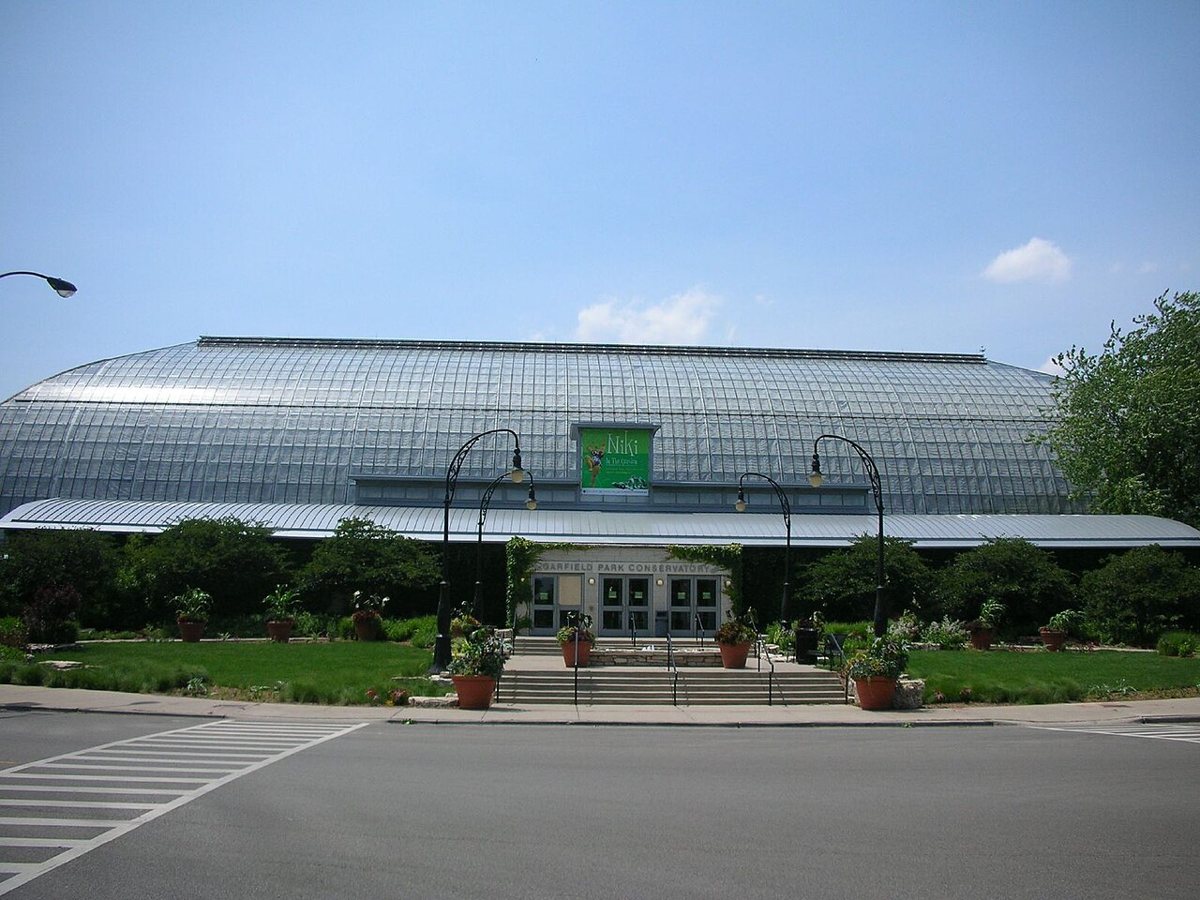
Garfield Park Conservatory on the West Side is bigger than its North Side counterpart and gets a fraction of the visitors, which means the Fern Room, built to feel like a prehistoric ravine complete with a small waterfall, is often close to empty even on a weekend afternoon. The building itself, designed by Jens Jensen in the early 1900s, was meant to evoke an Illinois haystack, and the glass architecture is worth the trip on its own before you even get to the plants. It sits a short walk from the Conservatory Green Line stop, which makes it one of the easiest West Side destinations to reach without a car, and admission is free year-round. Couples who've already done Lincoln Park's conservatory and want something bigger, quieter, and less crowded should make the trip west. The surrounding neighborhood, East Garfield Park, doesn't get the same restaurant density as the North Side, so this works best as an afternoon stop rather than the anchor for a full evening out.

Getting Around, Timing It Right, and What's Actually Free
Nearly everything on this list is reachable by the L or a short bus ride, and driving downtown usually costs more in parking than a round of drinks. The Red Line covers the lakefront spine from Andersonville down through the Loop to Hyde Park's edge; the Blue and Pink lines get you into Wicker Park, Bucktown, and Pilsen; the Green Line runs straight to Garfield Park and continues on toward Bronzeville. Budget real time for the lakefront and the river, both of which reward slowness more than any indoor stop on this list.
- Free, always: Millennium Park, the Riverwalk's public sections, the Chicago Cultural Center, the Lakefront Trail, Promontory Point, the 606, and Garfield Park Conservatory.
- Best light: early morning downtown before the crowds arrive, late afternoon into golden hour along the lake.
- Worst timing mistake: assuming Chicago winter is a reason to stay in. Layer up and go anyway, the conservatories and the Cultural Center exist precisely for the months when outdoor walks get harder.
Say this plainly: the lakefront wind in January and February is not a minor inconvenience. It comes off open water with nothing to slow it down, and it will cut through a coat that felt like plenty on a side street two blocks inland. Anyone planning a winter walk along the water should dress for wind chill, not the number on the forecast, and should treat fifteen minutes at the shoreline as the win rather than an hour. The reward, when it works, is a nearly empty lakefront and a couple who had it entirely to themselves.
The Case for Doing This the Chicago Way
None of this requires a horse-drawn carriage or a table with a view that costs more than the food on it. The city's romance runs through public parks that don't charge admission, a jazz club that hasn't redecorated in decades, and a lake that will remind you, more than once, that it's technically not the ocean but doesn't act like it knows that. Skipping the South and West Side stops on a list like this would leave out some of the best, least crowded views in the city, along with a couple of neighborhoods with more history behind them than most of what gets marketed to visitors downtown. Go slow, pick two or three stops instead of trying to cram in six, and let the walk between them be part of the date instead of dead time to rush through.