Best Brunch Spots in Chicago You'll Actually Love
Chicago brunch runs on neighborhood logic. Here's how to read the room before you pick a table.
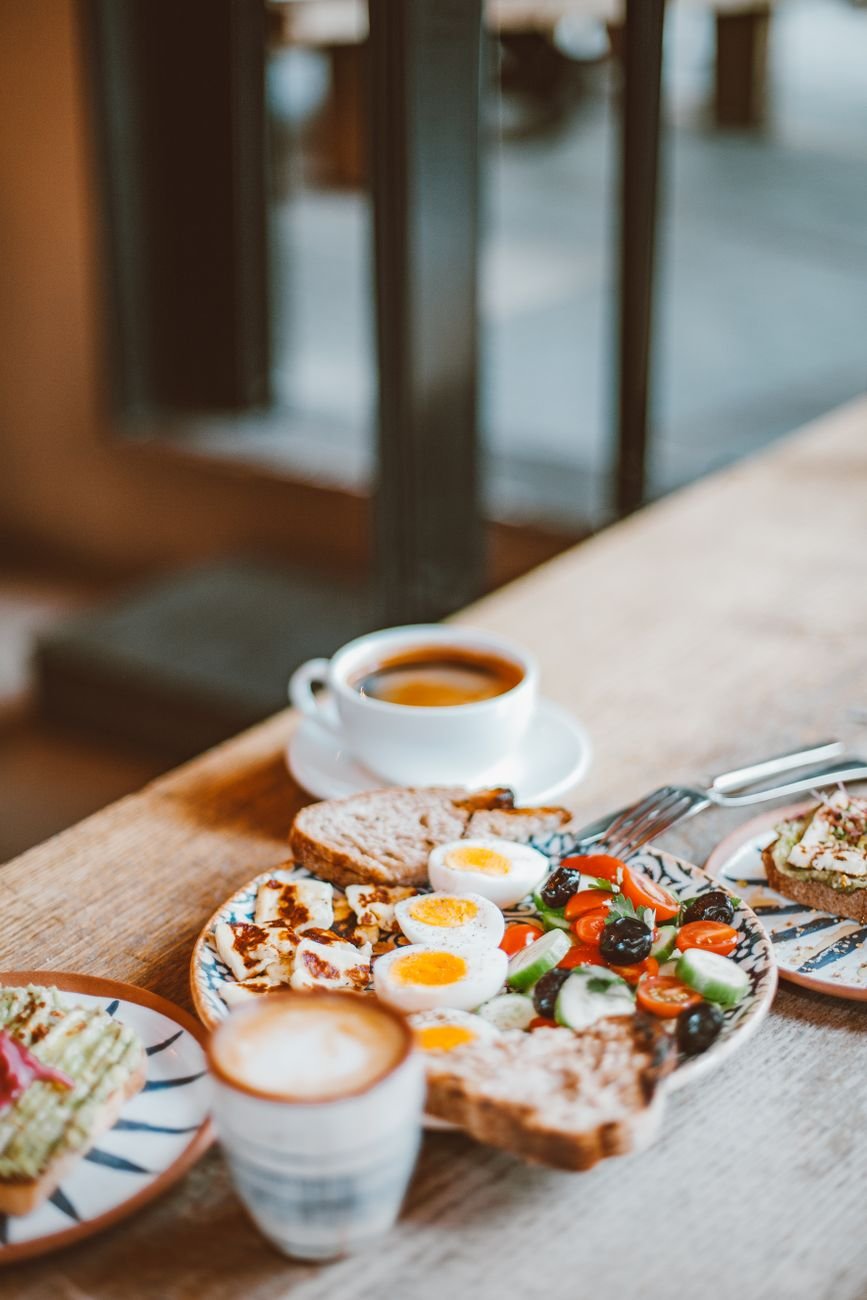
Sometime around ten on a Sunday morning, the 606 trail gets busy before most restaurants have even flipped their signs. That hour, before the reservation apps fill up and before the mimosa pitchers start moving, is when the best brunch spots in chicago reveal their actual character. The ones worth returning to feel like the neighborhood around them. The ones that don't are usually the ones with the longest waits and the most generic eggs Benedict.
Brunch in this city is not a monolith. It follows the same north-south geography that shapes everything else here. What you eat on the North Side, the South Side, and the West Side can be genuinely different experiences: different kitchens, different clientele, different stakes. Treating them as interchangeable is how visitors end up in the wrong neighborhood for what they actually wanted.
How to Find the Best Brunch Spots in Chicago, by Neighborhood
Logan Square has built a reputation as one of the city's serious restaurant corridors, and that reputation extends to the morning meal. The neighborhood's Mexican and Central American roots surface in weekend brunch through dishes like chilaquiles, huevos rancheros with house-made salsas, and torta variations that don't pretend to be something they're not. Milwaukee Avenue is worth walking end to end on a Saturday if you don't have a plan. You'll find independent spots that have been serving the same loyal regulars for years alongside newer places from chefs who've left downtown kitchens for something less formal.
Pilsen operates on a different timeline. The neighborhood's brunch culture skews later and more relaxed, and it anchors itself in the Mexican-American tradition that makes 18th Street one of the more interesting eating corridors on the South Side. Huevos a la mexicana, menudo on weekends, pan dulce from bakeries that have been in business for decades: this is the kind of brunch that doesn't announce itself as brunch. It just feeds people well.
The North Side: What to Know Going In
Andersonville draws a loyal Sunday crowd from across the North Side, and its dining strip on Clark Street rewards people who show up without a fixed plan. The neighborhood has a strong LGBTQ presence and a dining culture that's been building since long before brunch became a weekend institution. Swedish bakery traditions linger in a few spots, coffee culture is taken seriously, and the general attitude is that you're welcome to stay awhile.
Wicker Park and Bucktown tend toward the more scene-conscious end of the brunch spectrum, which isn't necessarily a problem if you know what you're walking into. The cooking can be genuinely good: inventive egg dishes, smart cocktail programs, kitchens that source locally without making it the entire personality of the menu. The tradeoff is that weekend waits at the most popular spots can stretch past an hour. Going before 9:30 or after 1:30 changes the math considerably.
Lincoln Park has a reliable middle-register brunch scene: not chasing the newest thing, not phoning it in. Families, Wrigley Field adjacency for afternoon games, a few longstanding spots that have survived multiple waves of neighborhood change. If you're looking for a broader guide to where Chicago eats by neighborhood, the North Side is where most visitors start, but it's rarely where the most interesting food is happening.
Hyde Park and the South Side
Hyde Park gets underestimated by people who haven't spent time there. The University of Chicago creates a particular kind of intellectual density that makes the neighborhood's food culture more varied than outsiders expect. Weekend brunch around 53rd Street and 57th Street can be unhurried in a way that's increasingly rare in the city. There's less hustle to turn tables, more sense that the meal is the point. The South Side more broadly, including Bronzeville's historic commercial corridors, has seen restaurant investment that often goes uncovered in city food media, which tends to default to the same ten blocks in three North Side neighborhoods. Soul food traditions, breakfast spots that have operated for generations, and newer chef-driven projects share the same streets.
Bronzeville in particular carries the weight of Chicago's Black Metropolis history on almost every block. Eating brunch there, at spots rooted in that history and in the neighborhood's present-day food scene, is a different experience than eating in Wicker Park. Both are worth your time. They are not the same experience.
What Actually Makes a Brunch Spot Worth the Trip
A few things separate brunch spots that feel like genuine Chicago experiences from ones that could exist anywhere:
- The kitchen has a point of view that connects to the neighborhood around it, whether that's a Mexican breakfast tradition in Pilsen, a Swedish pastry legacy in Andersonville, or a soul food foundation on the South Side.
- The coffee program is taken seriously. This is a low bar, and a lot of spots still don't clear it.
- The dining room doesn't feel like it was designed primarily for Instagram. Tables that fit two people, actual noise levels that allow conversation, staff that isn't performing hospitality.
- The menu has restraint. The best brunch menus in Chicago tend to be shorter than you'd expect. Long menus running from avocado toast to eggs Benedict to shakshuka to chicken and waffles are usually a sign that nothing is being done particularly well.
The shot-and-a-beer dive tradition is worth mentioning here, even though it's not technically brunch. Several Logan Square and Pilsen bars open early on weekends and serve simple food alongside a Malört or an Old Style. This is a legitimate Chicago breakfast experience and arguably more honest than anything with a prix-fixe brunch menu and a DJ.
One note on timing: Chicago's brunch culture runs later than some cities. The real action is typically 10 a.m. to 1 p.m. Showing up at 9 a.m. at many spots means you're waiting for the kitchen to find its rhythm. Showing up at 1:30 means you might actually get a table without a reservation. The city moves at its own pace on Sunday mornings, and the current Chicago food and drink landscape reflects that: unhurried, specific, not trying to be New York about it.
The lake helps. Even in February, when the wind off the water is doing its worst, a walk along the lakefront before or after a long Sunday meal is one of the things that makes Chicago feel like itself. The brunch spots worth returning to understand that what people want on a Sunday morning is exactly that: something that feels like Chicago, not a facsimile of somewhere else.