Best Coffee Shops in Chicago Worth the Trip
Chicago's best coffee shops don't cluster in one place, they follow the city's own segregated, sprawling map, and knowing how to read a neighborhood matters more than any list of names.
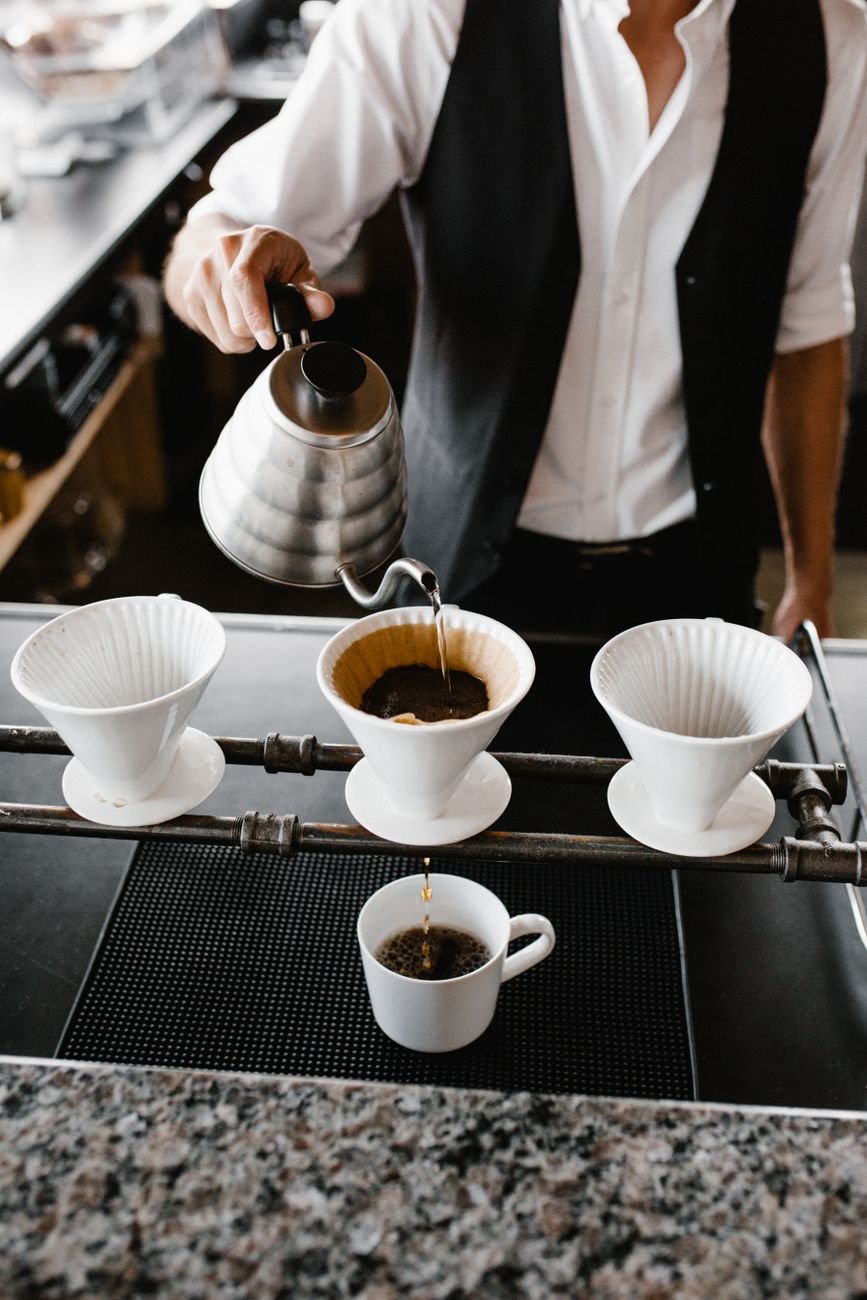
By eight on a Tuesday morning, the windows of a coffee shop on Milwaukee Avenue are fogged solid, the line runs past the pastry case, and half the customers are checking the Blue Line arrival time while they order. Scenes like that, repeated with small variations from Rogers Park to Beverly, are the real shape of the city's coffee culture. The best coffee shops in Chicago are not stacked downtown or clustered along one strip built for out-of-towners. They are scattered across neighborhoods that barely talk to each other, each shop shaped by whoever actually lives within walking distance of the espresso machine.
That scattering is worth understanding before you start driving around with a list. Chicago's coffee map follows the same lines as everything else here: investment, foot traffic, and decades of housing policy that split the city along Ashland and Western and the Dan Ryan. The North Side corridors, Logan Square, Wicker Park and Bucktown, Andersonville, Lincoln Park, can support four or five serious cafes within a ten-minute walk of each other. On the South Side, Hyde Park and Bronzeville have fewer stops, but the ones that exist tend to be anchored in the neighborhood's own commercial life rather than built to catch tourist traffic off the highway. Pretending otherwise, or only sending readers north of the river, is its own kind of dishonesty about how this city works.
How to find the best coffee shops in Chicago, neighborhood by neighborhood
Start by figuring out what kind of place you're looking for, because "coffee shop" covers at least three different businesses that happen to share a doorway. Some are roasters first, with bags on the shelf and a name stenciled on a bucket of green beans out back. Some are bakery-cafes where the espresso machine is almost an afterthought next to the bread case. And some are neighborhood living rooms, the kind of place with mismatched chairs where regulars leave their bag at a table to hold it while they step outside. All three count. None of them is inherently better than the others.
Reading a neighborhood's coffee scene is mostly a matter of watching who's actually in the room. In Logan Square and the Bucktown end of Wicker Park, the crowd skews toward people who moved for the 606 and the restaurant scene along Milwaukee Avenue, and the coffee follows that energy: bright, competitive, heavy on single-origin pour-overs and oat milk. Andersonville runs calmer and more mixed-age, with coffee shops sitting next to the neighborhood's older Swedish bakeries and its long-standing LGBTQ-owned businesses on Clark Street, so the pace is slower and the seating sticks around longer. Pilsen folds coffee into a Mexican bakery culture that predates the third-wave roasters by generations, so you'll find espresso counters next to panaderías, sometimes in the same storefront, and the menu language reflects both traditions. Hyde Park runs on University of Chicago time: longer laptop sessions, later closing hours during the school year, a studious hush that has nothing to do with hipness and everything to do with finals. Bronzeville's coffee shops are fewer but carry real weight, tied into the broader rebuilding of Black-owned business corridors along King Drive and 47th Street, and treating them as an afterthought misses part of the story of where the city's investment is actually going.
Where a coffee crawl actually pays off
Not every neighborhood rewards a walking crawl, and it's worth being honest about that before you burn an afternoon. Milwaukee Avenue through Logan Square and into Bucktown is dense enough that you can hit several stops without ever getting back in a car, especially if you build the walk around a loop near the 606 trail and end near the Blue Line. Clark Street in Andersonville works the same way at a slower pace, with coffee shops close enough together that you can duck in and out between bookstores and vintage shops. Pilsen's 18th Street corridor rewards a crawl too, but go hungry and treat the coffee as one stop among tamales, pan dulce, and murals rather than the whole point of the trip. Hyde Park and Bronzeville are better suited to a single, unhurried stop than a crawl. The distances between businesses are longer, the pace is different, and trying to stack five cafes into one afternoon there misses what those neighborhoods actually offer, which is a place to sit still.
What to order once you're inside
Ask what's being roasted locally before you default to a latte. A lot of the city's better cafes either roast in-house or buy from a small handful of Chicago-area roasters, and the bag on the shelf will tell you more than any menu board. A short list of what's worth ordering:
- A pour-over or drip coffee if you want to taste what the roaster is actually going for, rather than have it buried under milk.
- A cortado if you like espresso but want less volume and less sweetness than a latte.
- Whatever the seasonal drink is in late fall, since Chicago cafes tend to take that rotation seriously rather than treating it as a gimmick.
- Drip coffee, black, if you're at a bakery-cafe more focused on pastry than extraction technique. It's usually the better order there.
Prices vary enough by neighborhood that it's not worth quoting numbers here, but expect the difference between a Pilsen café de olla and a Bucktown flat white to be real, and to say something about the block it's sold on.
The takeaway
Chicago doesn't have a coffee capital the way it has a hot dog gospel or a tavern-pizza consensus. It has a coffee map that mirrors the L map: uneven, branching, better in some places than others, worth riding to the end of the line instead of getting off at the first familiar stop. Treat the neighborhood as the story, not the shop's storefront sign, and you'll drink better coffee than any single ranking could point you toward.