Best Italian in Logan Square Worth the Trip
On the boulevards where Puerto Rican Logan Square met a restaurant boom, Italian food split into three distinct camps. Here's how to eat all of them without wasting a trip.
Logan Square's boulevards were built wide enough for horse-drawn carriages and lined with elms that outlasted the die-off that took most of the city's canopy. The Illinois Centennial Monument still anchors the square itself, a granite column ringed by benches where neighborhood old-timers have argued dominoes for decades, a few blocks from the Blue Line stop that empties onto Milwaukee Avenue at rush hour. Somewhere between the monument and the California stop, the restaurant blocks took over, and the best Italian in Logan Square sits right in that stretch, boxed in by taquerias, natural wine shops, and a couple of dive bars that predate the boom entirely.
That mix matters. Logan Square built its identity as a Puerto Rican stronghold on the Northwest Side, and the murals, botanicas, and family bakeries along Milwaukee and California haven't vanished under the newer money. They sit next to it, sometimes in the same block. The Italian restaurants that opened here in the last fifteen years didn't invent a scene from nothing. They dropped into a neighborhood that already knew how to eat on a boulevard, at an outdoor table, on a night when the walk from the train mattered as much as the meal.
The Best Italian in Logan Square Splits Into Three Camps
Ask five people where to get Italian food in Logan Square and you'll get three different answers, because three different traditions coexist here without much overlap. Knowing which one you're walking into changes what you should order and how long you should plan to stay.
Red Sauce That Never Left
A handful of old-school Italian-American spots predate the neighborhood's reinvention, the kind of places with garlic bread on the table before you ask and a Chianti bottle doing double duty as a candle holder. These rooms serve the food most Chicagoans grew up on: chicken Vesuvio, baked mostaccioli, a veal parm that could feed two. Portions run large and prices stay reasonable. Nobody's plating with tweezers. If you want a meal that reminds you of a relative's basement on a holiday, this is the lane, and it's worth remembering that this style built the city's Italian reputation long before anyone talked about tasting menus.
Modern Pasta Rooms
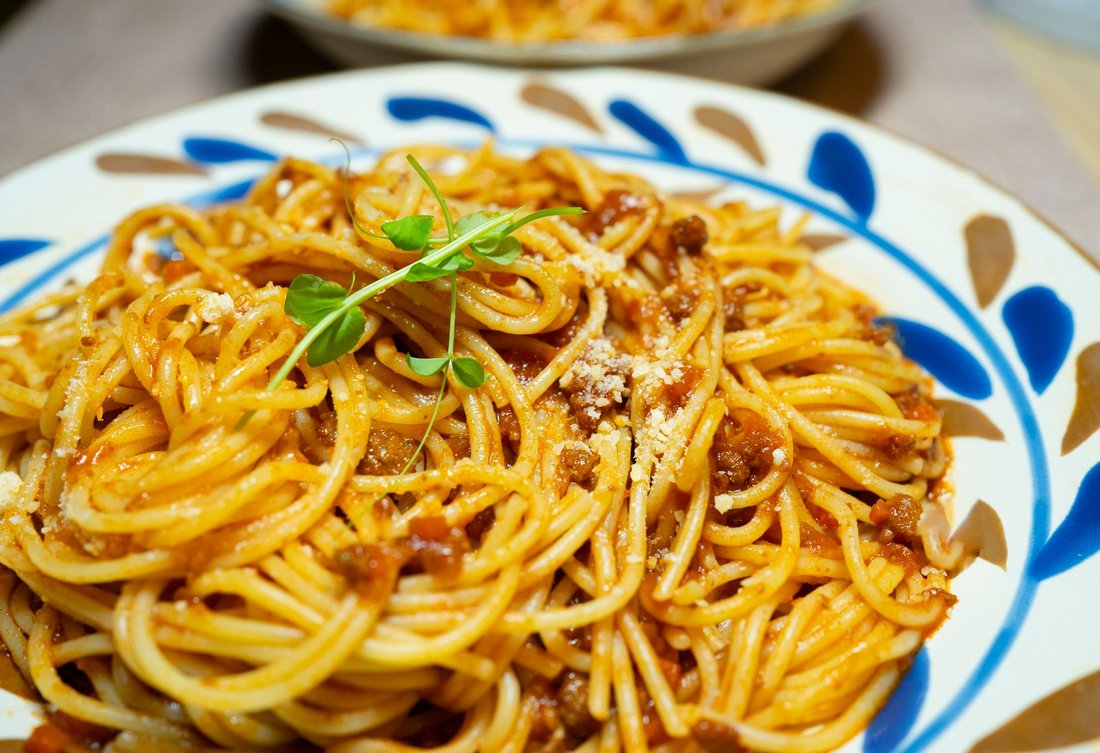
The newer wave leans into pasta as its own showcase, house-extruded shapes, sauces built around a single vegetable at peak season, a wine list picked to match rather than pad the menu. These rooms tend to be smaller, louder, and booked further out. The kitchens here treat a cacio e pepe or a cavatelli with the same seriousness a steakhouse gives a ribeye. Expect an open kitchen, counter seating, and a menu that changes with what a farm outside the city is sending that week.
Wine Bar Italian
A third category barely bothers with entrees at all. These are wine-forward rooms with small plates built around cured meats, a few crostini, maybe one or two pasta specials that sell out by nine. The point isn't dinner in the traditional sense. It's grazing through a bottle with people you like, standing at a bar rail or crowded around a two-top, in a room that could just as easily be in Wicker Park's restaurant row a mile south.
How the Boulevards Shape the Way You Eat
Logan Square's width does something to a meal that narrower neighborhood strips don't. The boulevard itself, with its median and its tree line, turns a walk to dinner into an event rather than a commute. Restaurants here lean into that with sidewalk seating that runs deep into fall and front windows that open completely once it's warm. A table on the boulevard side of one of these rooms puts you closer to the passing bike traffic and the corner bar crowd than to a quiet dining room, and that's part of the draw, not a flaw to route around.
The Blue Line matters more here than in most food-destination neighborhoods. The California and Logan Square stops both drop you within walking distance of the main restaurant stretch, which means a night out doesn't require circling for parking or splitting an Uber four ways. That's part of why the corridor built up the way it did. A destination restaurant that also happens to be a fifteen-minute train ride from downtown gets a different kind of regular than one buried somewhere a car is the only option.
What to Order, Regardless of Which Camp You Land In
- Start with something raw or cured rather than bread. A carpaccio or a plate of cured meats tells you more about a kitchen's sourcing than anything fried will.
- Order at least one pasta shape you don't recognize by name. The modern rooms in particular use house-made shapes as their calling card, and a shape you've never eaten is the fastest way to find out if a kitchen is doing real work or coasting on a formula.
- Save room for something charred. Wood-fired ovens have become common enough in this stretch that a vegetable or bread course off the grill is often the best value on the menu, priced well below the pasta and just as considered.
None of this requires a reservation booked weeks out or a splurge that ruins the month. A weeknight table at one of the red-sauce holdovers costs about what a decent tavern-style pizza night runs anywhere else in the city. Save the harder-to-book pasta rooms for a night you've actually planned around, and treat the wine bars as the move when you want one plate and one glass rather than a full sit-down.
The Real Reason to Make the Trip
Skip the temptation to rank these three styles against each other, because they're not competing for the same meal. The honest advice is to pick the one that matches your mood before you leave the house, not after you're standing outside deciding. A neighborhood that still runs on Puerto Rican bakeries and corner botanicas didn't need Italian food to prove it had arrived. It just made room for another way to eat well on a boulevard built for exactly that.