Best Day Trips From Chicago: A Local's Guide
From dune climbs in Indiana to a farmers market on a Wisconsin capitol square, here are the real, no-nonsense best day trips from Chicago, organized by the direction you're already headed.
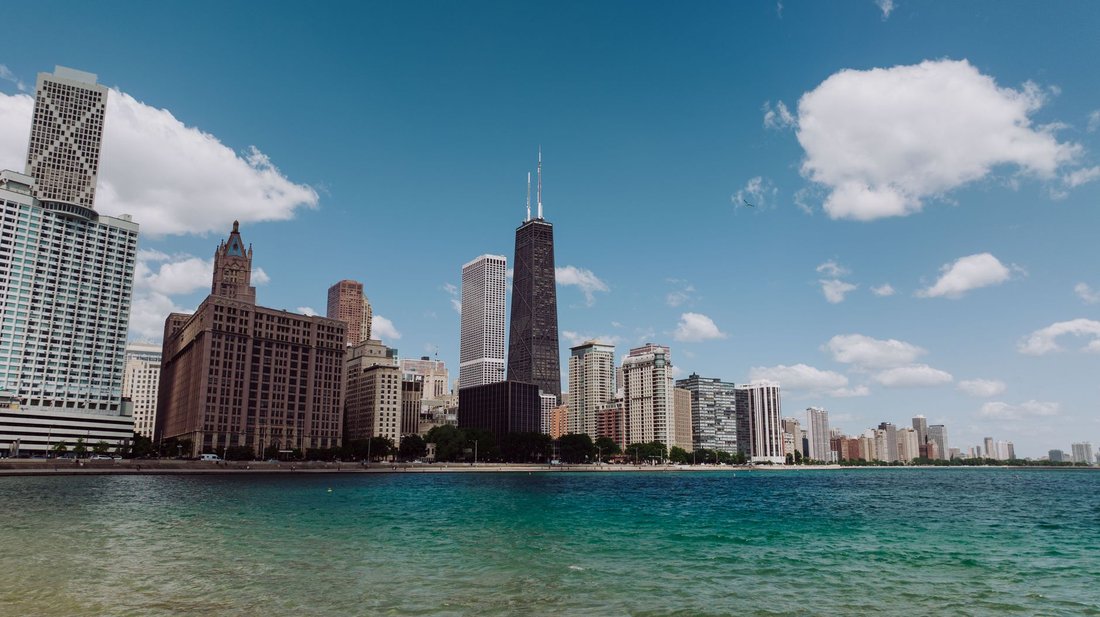
Six-forty on a Saturday morning at Millennium Station, and the South Shore Line to Indiana is already half full of people who know something the rest of the city hasn't figured out yet: the best day trips from Chicago don't require a plane ticket or even a full tank of gas. A conductor calls the doors closing. Beach chairs get wedged between knees and coolers. Past South Chicago the skyline drops out of the window and steel-mill flare stacks take its place, and by the time the train curves along the shore near Beverly Shores you can see dunes rising up like something that wandered off course on its way to Michigan. Forty minutes later you're standing in sand that squeaks under your shoes, the lake behaving like an ocean the way it always does out here, and the whole city feels like it happened in a different season.
That's the trick to a good day trip from Chicago. It's not about distance, it's about direction. This guide is organized the way locals actually think about getting out of town: north into Wisconsin, east across the state line to Indiana and Michigan's lakeshore, and west and south into river towns that don't get nearly enough credit. If a hot Saturday calls and leaving the city sounds like too much effort, the city's own beaches hold up fine on their own. But every place below is reachable in a single day, whether that day starts on a Metra platform on the South Side, in a parking garage downtown, or from a driveway in Oak Park. None of these trips require reservations months out or a special occasion to justify them. A free Saturday and a decent weather forecast are usually enough. Some cost nothing beyond gas and a sandwich, others involve a museum ticket or a boat rental, and a few are worth doing more than once because the same trail or shoreline looks completely different depending on the season.
Best Day Trips From Chicago: North and West Into Wisconsin
The fastest border crossing from Chicago isn't a border at all, just a couple of interstate exits north of the toll plaza on I-94, and it drops you into lake towns and a city that feel farther away than they are. This is the direction for water, cheese curds, and small-town squares that still have a working movie theater.
Lake Geneva
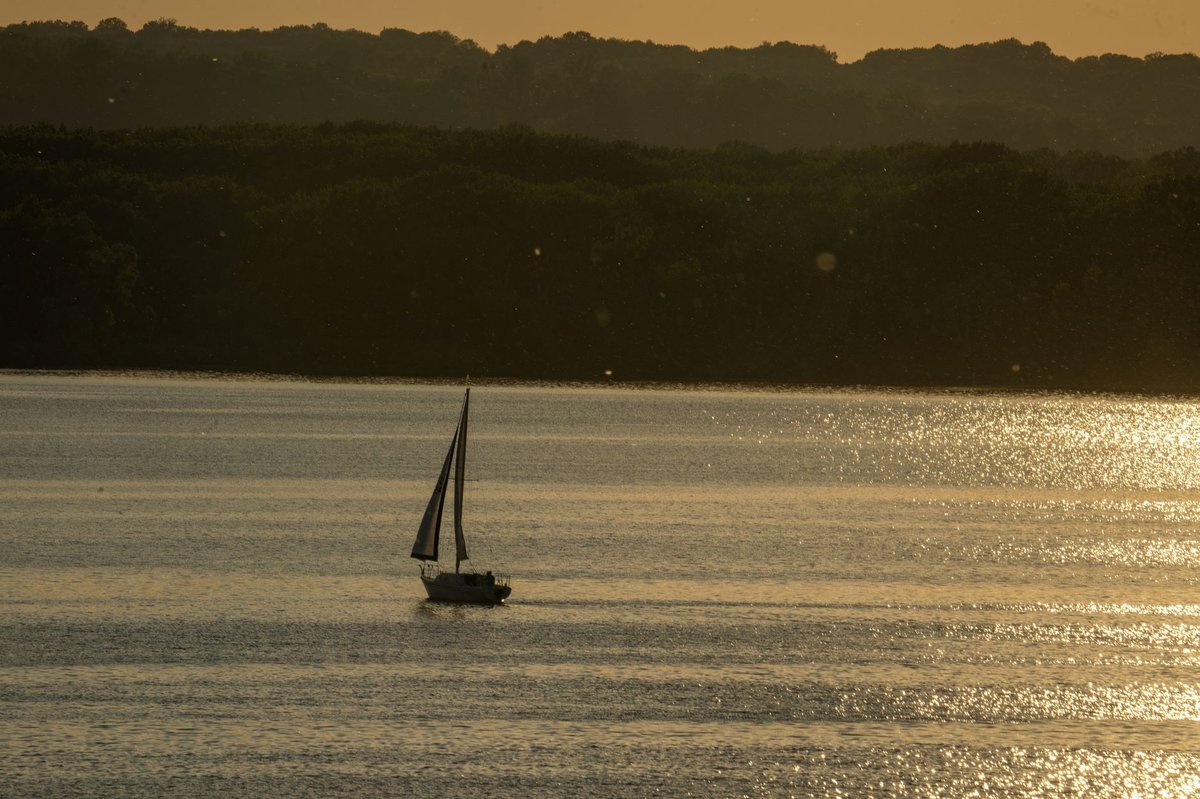
Lake Geneva is a resort town built around a clear, spring-fed lake that Chicago's industrial families started colonizing with summer mansions well over a century ago, and the public still gets to walk right past the results. The Geneva Lake Shore Path runs roughly 21 miles around the water, cutting directly through the backyards of the old estates, by public right-of-way that dates back to the days when the lake was used for fishing and transport. It's worth the trip for the walk alone, but the town itself has a working downtown of ice cream shops, taverns, and lake tour boats that isn't dressed up for tourists so much as it's just always been there. Rent a boat, walk a few miles of the shore path, or sit at a downtown patio and watch the water. Go early on a weekend morning if driving, since parking downtown fills fast by midday in summer. In deep winter the town runs a lakefront ice sculpture display that draws its own separate crowd, so this is one of the rare Wisconsin day trips worth repeating in a different season for a completely different mood. It's about 90 minutes from the city on I-94 and Route 12.
Milwaukee
Milwaukee is close enough that calling it a day trip almost undersells it. The Milwaukee Art Museum's Calatrava-designed wing has a set of movable sunscreens on the roofline that open and close over the course of the day, and it sits right on the lakefront a short walk from downtown. The Third Ward has galleries, restaurants, and the Milwaukee Public Market under one roof, and the city's brewing history runs well past the big names into smaller taprooms scattered through neighborhoods like Bay View and Walker's Point. Bronzeville, on the city's north side, has its own deep history as a center of Milwaukee's Black community and is worth a walk for anyone who only knows the lakefront tourist route. Amtrak's Hiawatha service runs multiple round trips a day from Union Station, about 90 minutes each way, which means no parking, no traffic on the Tri-State, and a beer without having to think about the drive home. Insider move: skip the express highway exit into downtown and walk the lakefront path from the art museum north toward the Milwaukee County War Memorial for the best view of the skyline against the water.
Kohler
Kohler is a strange, specific kind of day trip: a company town built entirely around a plumbing manufacturer that somehow also has a serious design museum and one of the better dune-backed beaches on Lake Michigan's western shore. The Kohler Design Center walks through more than a century of the company's product design, from cast-iron tubs to a wall of experimental fixtures, and admission doesn't cost anything. A few minutes away, Kohler-Andrae State Park has boardwalks through dune grass and a wide, uncrowded beach that gets a fraction of the traffic of Indiana's dunes. Pair the trip with lunch in neighboring Sheboygan, a bratwurst-and-fish-fry kind of town with its own respected art center. It's a longer haul, around two and a half hours each way on I-94 and Highway 23, so this one works best with an early start.
Madison
Madison sits on a narrow isthmus between two lakes, Mendota and Monona, with the state capitol dome anchoring the high ground between them, and on Saturday mornings from spring through fall the streets around that capitol turn into one of the best farmers markets in the Midwest, a full ring of Wisconsin dairy, produce, and bakery stands circling the building. Beyond the market, State Street runs from the capitol to the University of Wisconsin campus, lined with bookstores, coffee shops, and the kind of college-town energy Chicago's own campuses don't quite have downtown. Rent a kayak or paddleboard on Lake Mendota, walk the capitol square, or just get a table at a State Street restaurant and watch the students go by. It's a genuine haul at two and a half to three hours each way, so this is a trip for people willing to leave before sunrise and treat the drive as part of the plan.

East Across the State Line: Indiana Dunes and the Michigan Lakeshore
Head east instead of north and the character of the trip changes entirely. This is the direction with actual wilderness a short train ride from the Loop, plus small harbor towns across the Michigan line that feel like a different decade.
Indiana Dunes National Park
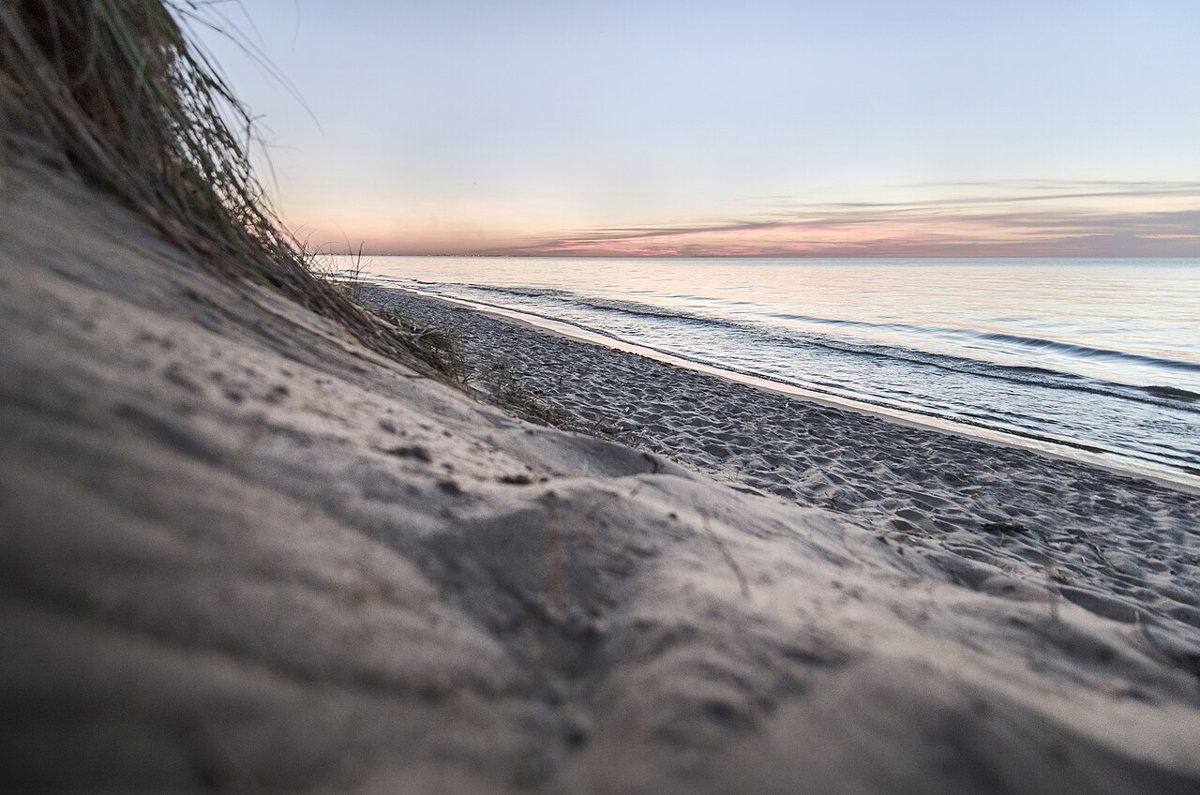
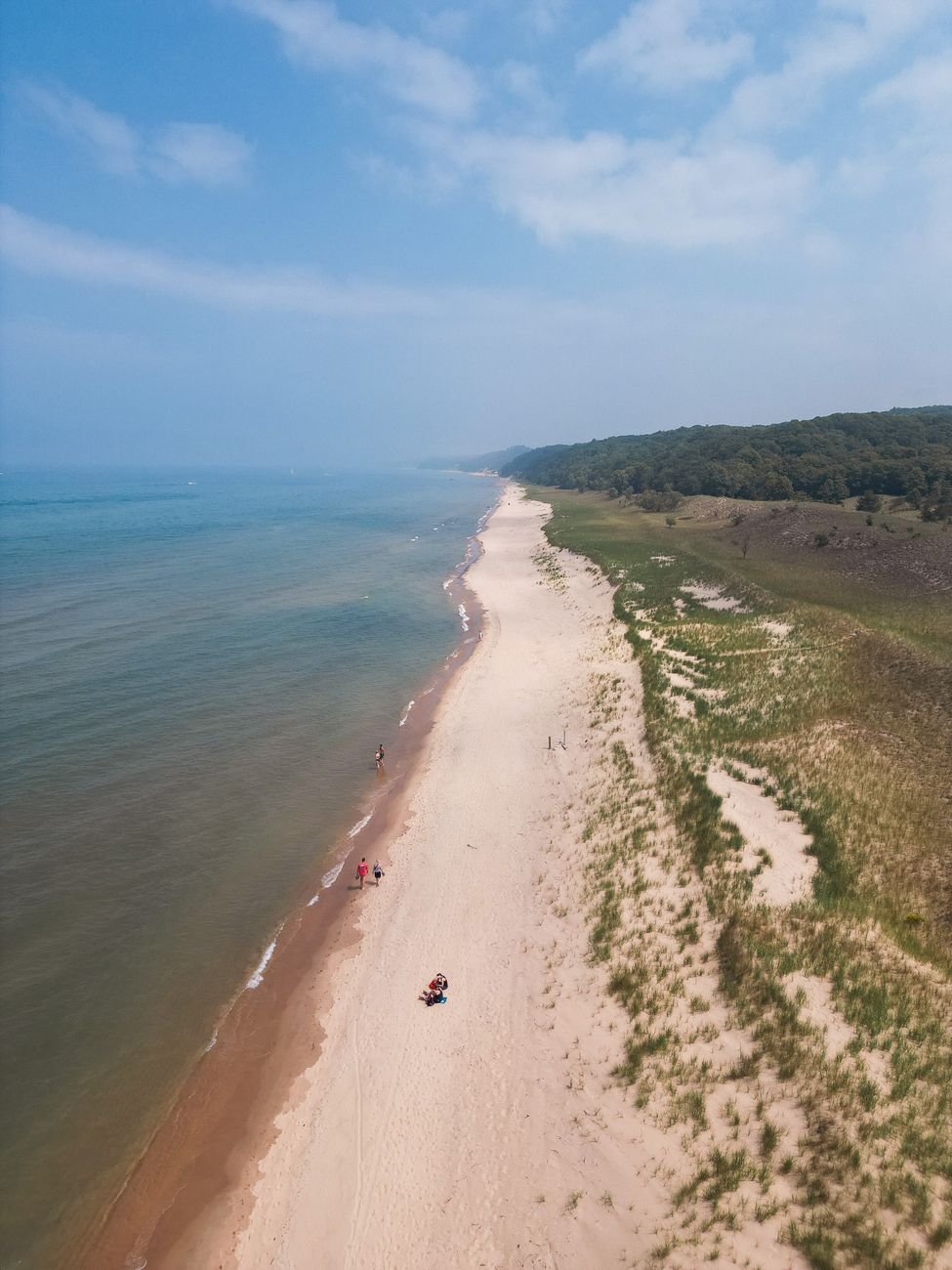
Indiana Dunes National Park is the closest national park to Chicago, a stretch of towering sand dunes, oak savanna, and wetlands squeezed between steel mills along fifteen miles of Lake Michigan shoreline in Porter and LaPorte counties. Mount Baldy is the park's famous shifting dune, and the adjacent (separately run) Indiana Dunes State Park has the Three Dune Challenge, a steep climb over three connected dunes that leaves most people winded and happy. Swim at West Beach or Central Avenue Beach, hike the Cowles Bog Trail through the wetlands, or just walk the sand and turn around to see the Chicago skyline hanging low on the horizon across the water. The dunes themselves are still shifting, slowly burying stands of trees at Mount Baldy that later reappear as the sand moves on, a process rangers call a ghost forest, and it's a strange thing to see this close to a major city. The real advantage here is that the South Shore Line stops inside the park itself, at Dune Park and Beverly Shores, so a trip out doesn't require a car at all. By train it's roughly an hour to ninety minutes from Millennium Station or the Van Buren Street stop; driving via the Indiana Toll Road takes about an hour.

New Buffalo and Harbor Country, Michigan
Cross into Michigan on I-94 and the shoreline towns of New Buffalo, Union Pier, Lakeside, and Sawyer, collectively known as Harbor Country, start showing up in quick succession, each with its own public beach access and a Main Street scale that never got big enough to feel like a tourist trap. New Buffalo has the widest public beach and a small downtown of shops and restaurants clustered near the harbor. A drive up Red Arrow Highway strings together the smaller towns, roadside wineries, and antique barns without ever putting you back on the interstate. Amtrak's Wolverine and Blue Water trains both stop in New Buffalo, so this is another lakeshore option that doesn't require driving. It runs about 75 minutes by car or roughly 90 minutes by train.
Saugatuck, Michigan
Saugatuck is the farthest of the Michigan lakeshore towns on this list, and it earns the extra driving time. The town sits on the Kalamazoo River just before it empties into Lake Michigan, and a small hand-cranked chain ferry still carries walkers across the river to Mount Baldhead, a dune with a wooden staircase to a lake view worth the climb. Oval Beach, on the other side of the dune, is one of the better swimming beaches on the Michigan side, wide and sandy with dune grass at its edges. The downtown itself runs heavy on art galleries and small restaurants, a legacy of the town's long run as an artists' colony. At roughly two and a half hours each way, this is a trip that rewards leaving at dawn, though plenty of people treat it as worth doing in a single long day for the beach and the ferry ride alone.
West and South: The Illinois River Valley
The land west and southwest of Chicago flattens out fast, but the rivers cut through it, and where they do, the terrain gets interesting again. This direction is underrated, partly because it doesn't have a lake to sell, and partly because it's easy to overlook anything south of I-80 when planning a trip out of a North Side apartment. It shouldn't be. Some of these are best reached straight down I-57 from the South Side, without ever touching the Kennedy.
Starved Rock State Park
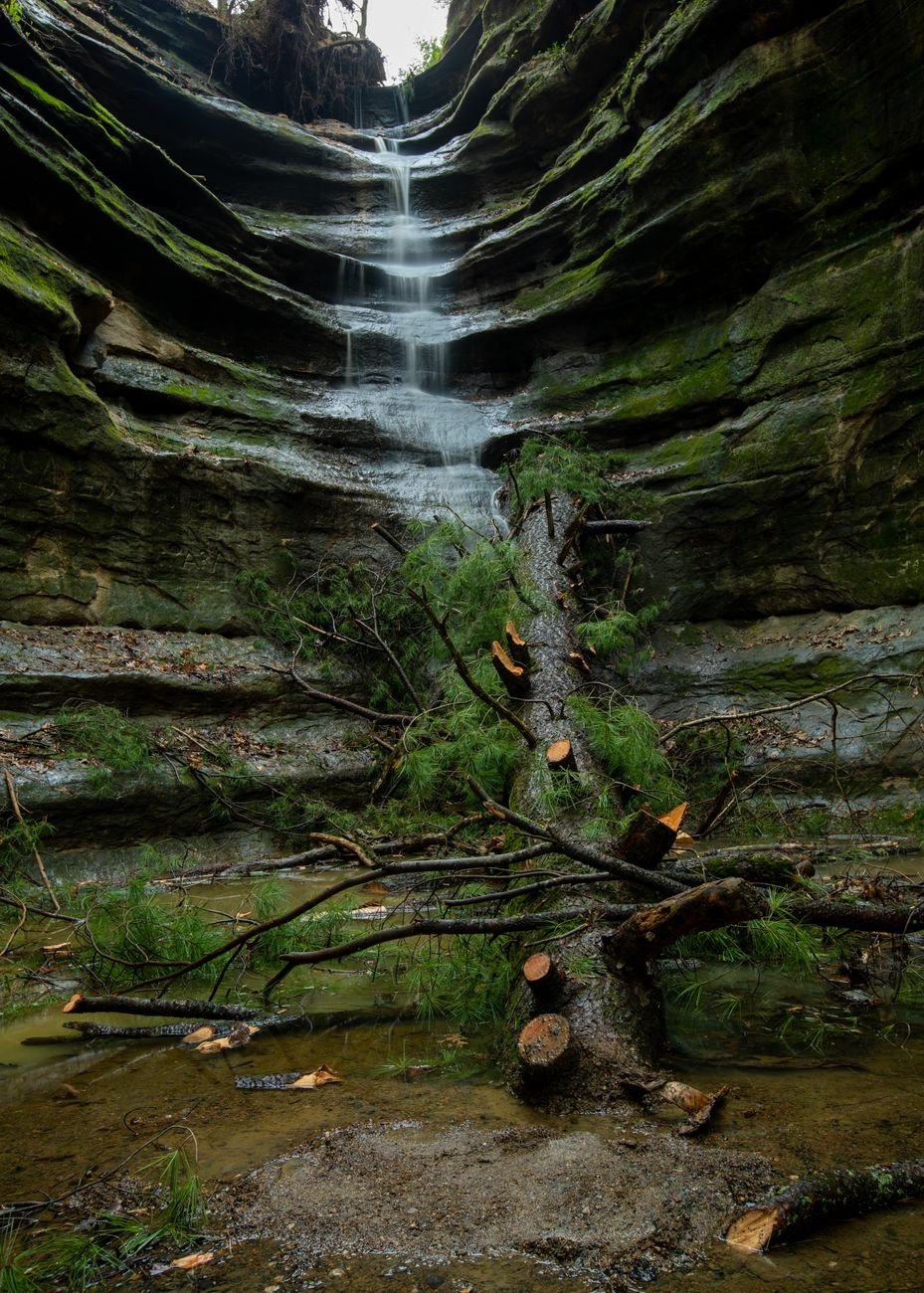
Starved Rock has eighteen sandstone canyons cut by glacial meltwater along the Illinois River near the towns of Utica and Oglesby, and it is, by a wide margin, the closest real hiking to Chicago. Waterfalls run through canyons like St. Louis Canyon and Wildcat Canyon in spring and after heavy rain, and the trail up to the lodge overlook gives a wide view down the river valley. The lodge itself is a log-and-stone building worth a stop even for people who skip the trails, with a stone fireplace big enough to stand in and a restaurant that serves as a natural turnaround point for a shorter loop hike. It gets crowded, especially on fall weekends when the canyon walls turn orange and red, so a weekday visit or an early arrival makes a real difference in how much of the park feels like yours. It's about ninety minutes to two hours from the city via I-80.
Galena
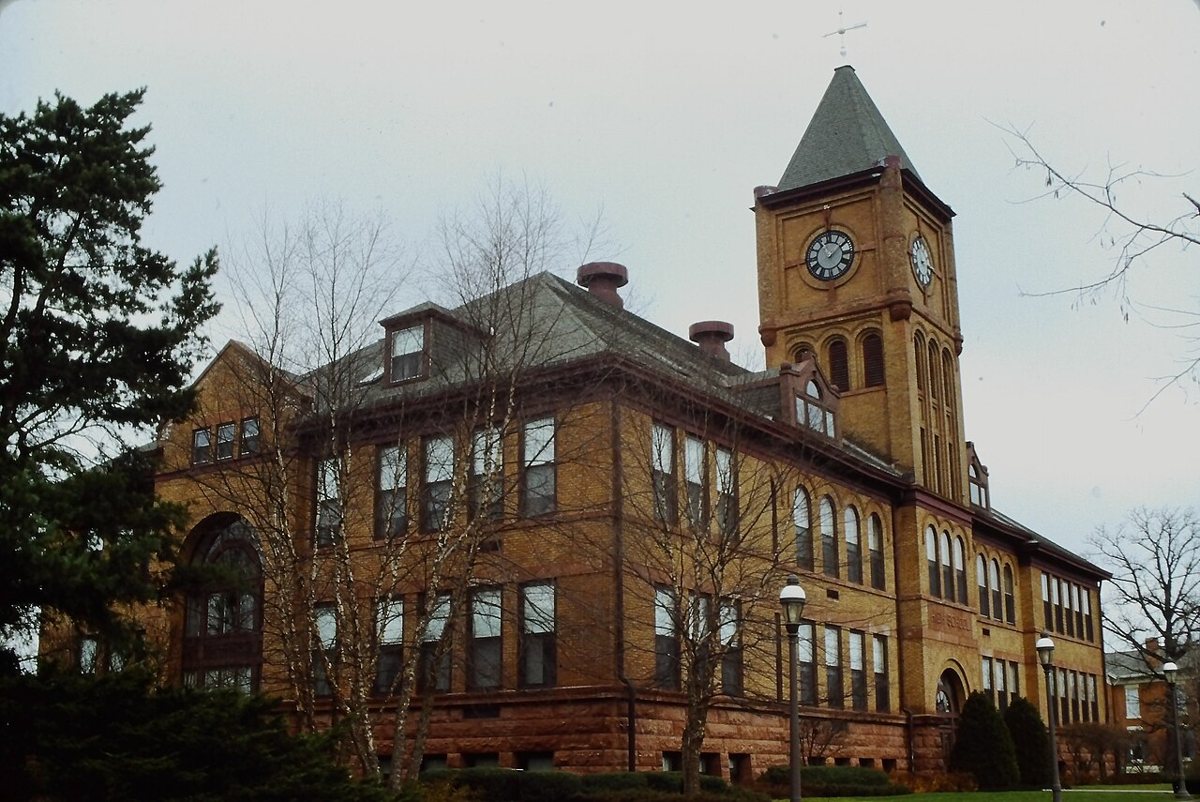
Galena sits in the far northwest corner of Illinois, in hill country left behind when the last glaciers skipped over this one stretch of the state, and it looks almost nothing like the rest of Illinois as a result. The town grew rich on lead mining and river trade in the 1800s, and the brick storefronts along Main Street and the grand homes up on the bluffs are the leftover proof of it. Walk Main Street's shops, climb up to Horseshoe Mound for a view over the rooftops and the river valley, or just drive the winding back roads through the surrounding Driftless Area, a region defined by hills the glaciers never flattened. It's the longest drive on this list, more than three hours each way, which makes it a stretch as a same-day trip and a natural candidate for an overnight instead. A very early departure still makes a day trip possible for anyone determined to do it.

Woodstock
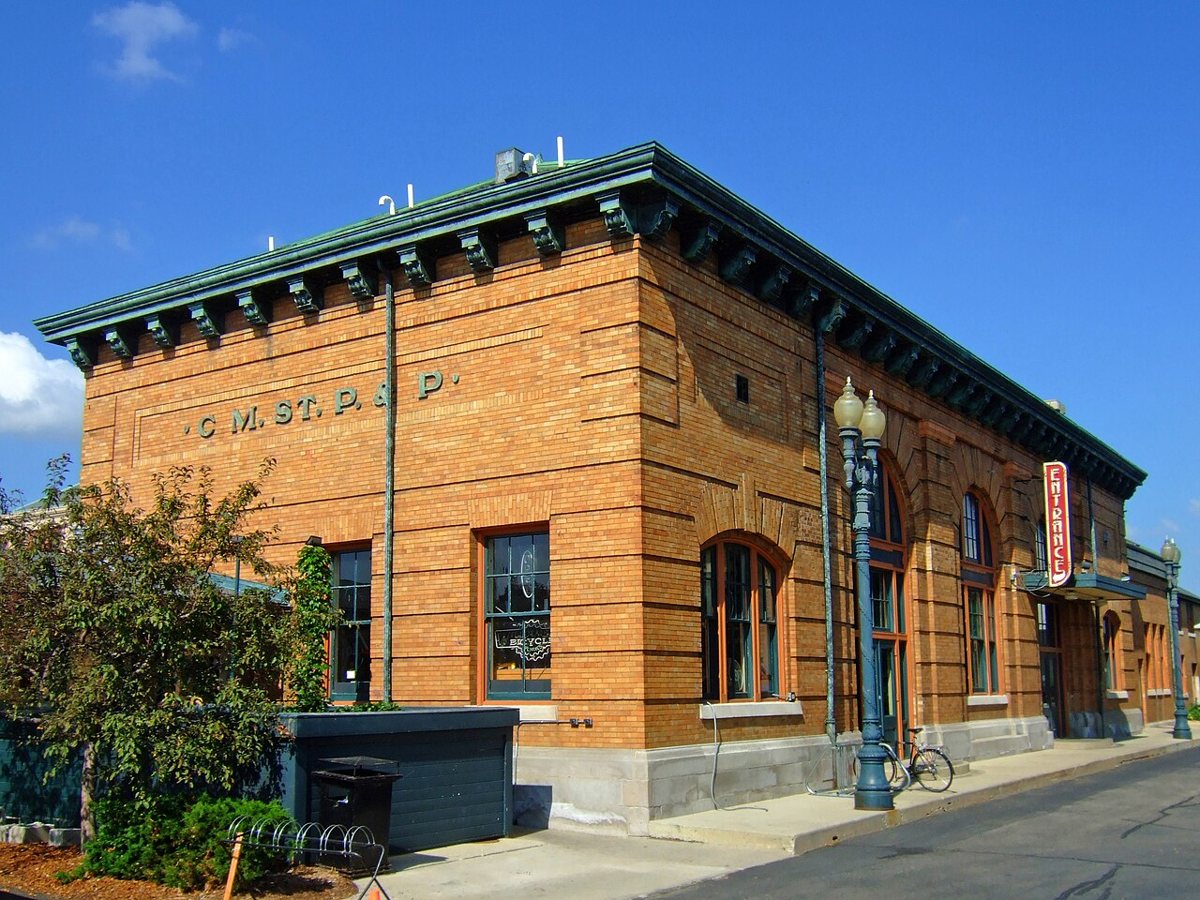
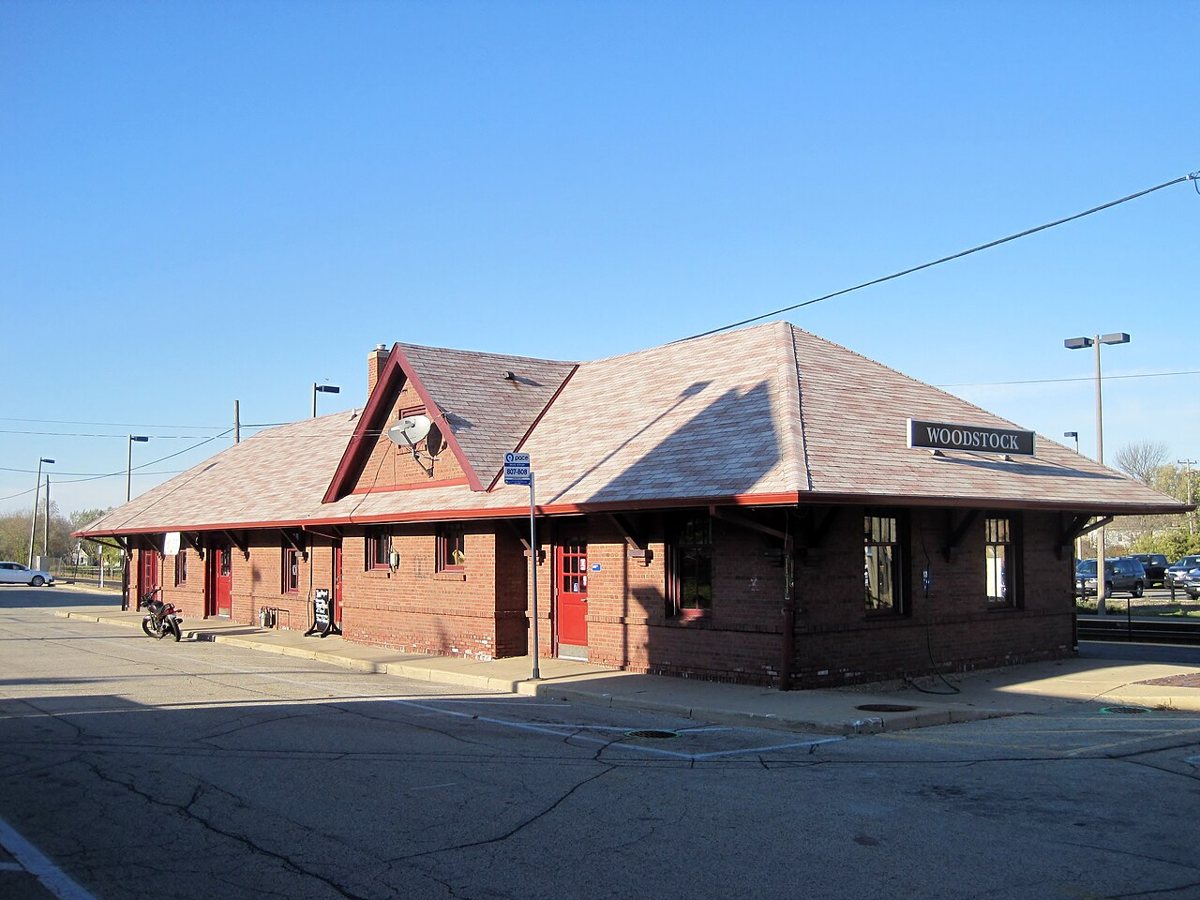
Woodstock is built around one of the best-preserved town squares in the Midwest, a ring of shops and restaurants surrounding a bandstand and the Woodstock Opera House, with a look that hasn't changed much in decades. It's the town where a well-known 1990s comedy about a repeating winter day was filmed, and the square still gets a small crowd every February because of it, but there's no need to time a visit around that to enjoy the place. Walk the square, catch a show or a tour at the opera house, and browse the antique and resale shops that fill the surrounding blocks. The real draw for a car-free day trip is the Metra Union Pacific Northwest line, which runs directly from Ogilvie Transportation Center to downtown Woodstock in about ninety minutes with no highway involved at all.

Kankakee River State Park
Kankakee River State Park runs along bluffs and rapids on the Kankakee River southwest of the city, and it's the closest real river paddling for anyone starting from the South Side or the south suburbs. The rapids near Warner Bridge draw kayakers and tubers in summer, and the Rock Creek Trail follows the bluffs above the water for a hike with more elevation change than most people expect from Illinois. Fishing for smallmouth bass is a draw here too, in water that runs noticeably clearer than the Illinois River farther north. The park is reachable via I-57 straight south, a route that never touches the Kennedy or the 90/94 split, a real advantage for day-trippers starting out from Beverly, Morgan Park, or the south suburbs instead of downtown. It's about an hour to seventy-five minutes by car.
Getting There: Metra, the South Shore Line, and When to Just Drive
Not every trip on this list needs a car, and knowing which ones don't can save an entire day of traffic. The Metra Electric District runs from Millennium Station down through Hyde Park, Kenwood, and the rest of the South Side to the south suburbs, where it connects to the South Shore Line for the run into Indiana Dunes. The Union Pacific Northwest line out of Ogilvie handles Woodstock directly. Amtrak covers the two cross-border trips that Metra doesn't reach: the Hiawatha to Milwaukee and the Wolverine or Blue Water lines to New Buffalo, Michigan. Everything else on this list, Lake Geneva, Kohler, Madison, Saugatuck, Starved Rock, Galena, and Kankakee River, requires a car, since none of those routes have passenger rail service. For anyone weighing train against car, the math is usually simple: if the destination has a station, take the train and skip the parking search entirely. If it doesn't, budget real time for the drive and treat rest stops on I-80 or I-94 as part of the trip rather than an inconvenience.
- Leave before 7 a.m. on summer weekends for anything on I-90/94 or I-80. Beach traffic and construction backups build fast after that.
- Fall color weekends at Starved Rock and Galena get genuinely crowded. A Tuesday or Wednesday trip during peak color beats any weekend.
- Indiana Dunes National Park itself charges no entrance fee; the adjacent Indiana Dunes State Park does. Kankakee River State Park and Woodstock's town square cost nothing to visit either.
- Winter thins the crowds everywhere on this list and makes places like Kohler-Andrae and Indiana Dunes worth a cold-weather trip for anyone who doesn't mind a coat.
- Anyone starting from the South Side or south suburbs should default to I-57 or the Metra Electric/South Shore combination before assuming every trip out of the city starts on the Kennedy.
None of this requires much planning, which is the point. A day trip from Chicago should feel like a decision you made over coffee, not a project. Pack the car or grab the right train, and by early afternoon the lake is behaving like an ocean somewhere that isn't home, or a town square is quiet in a way no Chicago neighborhood ever quite manages, and by dinner you're back, tired in the good way, with sand still in your shoes or a growler on the passenger seat. For a sense of what the L map covers before deciding how far to go, our guide to the city's neighborhoods is worth a look. Chicago is a big enough city that leaving it feels optional most days. It's worth remembering it isn't, not always, and that the best cure for a long stretch of city weather is usually less than two hours away. Pick a direction, check the gas gauge, and go. The city will still be there when the sun starts dropping over whatever water you ended up next to, and so will the L, waiting to carry everyone back into the same routine on Monday.