Best Things to Do in Chicago for 2026
A local's neighborhood-by-neighborhood guide to the lakefront, the North Side, and the South and West sides that most visitor lists skip.
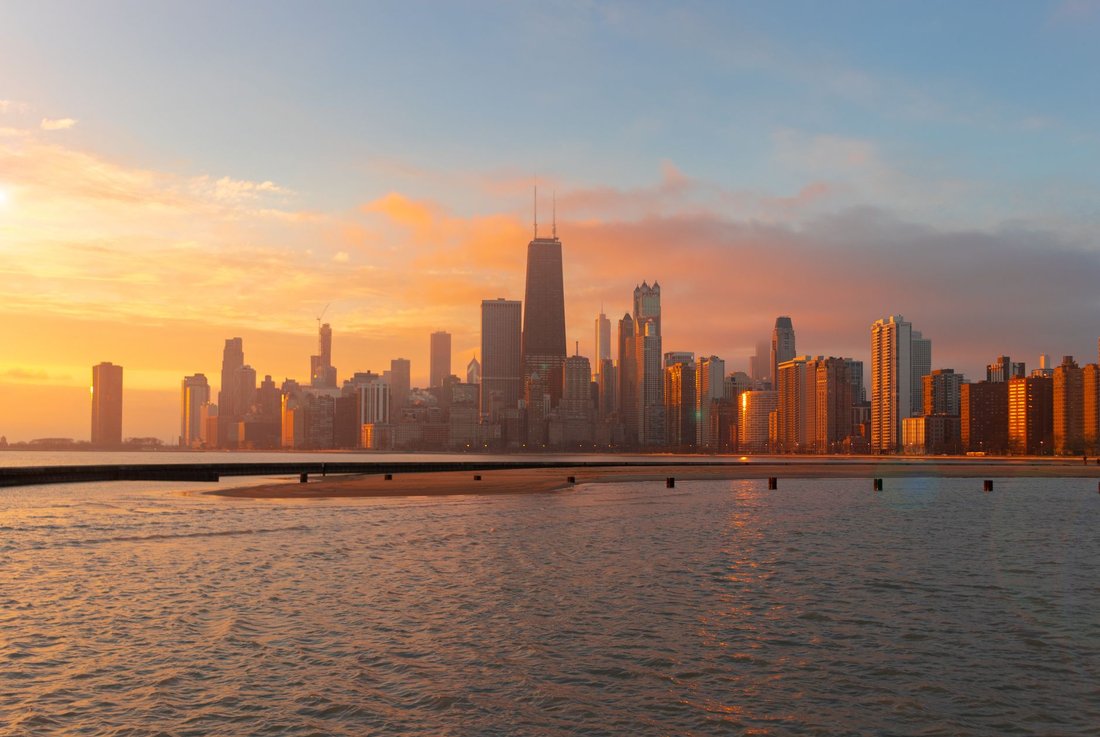
By six in the morning, the Lakefront Trail at Fullerton Avenue already belongs to its regulars. A guy in a Bears windbreaker holds a tai chi pose against the horizon. Two women push double strollers past a man working a fishing rod off the rocks near the harbor. The lake behaves like an ocean at this hour, gray and heaving, throwing spray up over the concrete, and nobody who actually lives here calls it anything but the lake. This is where any honest list of the best things to do in Chicago for 2026 should start: not a countdown, not a definition, but the water that shapes how the whole city moves and thinks about itself. What follows is the long version, organized by area, written for a first trip and a twentieth one.
Chicago rewards people who slow down enough to notice which neighborhood they're actually standing in. The skyline view from the Loop and the view from a Pilsen rooftop are two different cities that happen to share a lakefront. Below is the exhaustive version: downtown and the lake first, then the North Side, then the South Side, then the West Side, because a guide that stops at Wrigleyville is only telling half the story.
Best Things to Do in Chicago for 2026: Downtown and the Lakefront
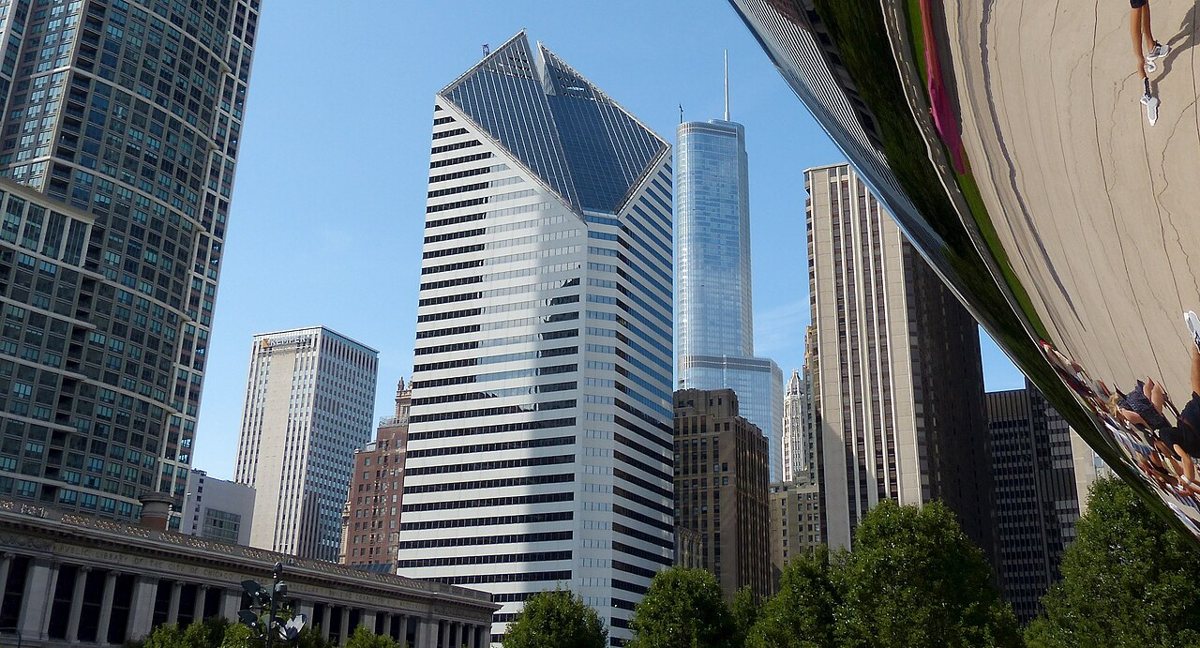
Millennium Park is the logical starting point for most visits, and it earns that role. The park itself is free and open year-round, anchored by Anish Kapoor's Cloud Gate, the enormous curved steel sculpture everybody calls the Bean whether or not they know its real name. The photo under its belly is the obvious move, and everyone takes one, but it is far from the only reason to come. Walk the full length of the park toward the Crown Fountain, where two glass-block towers project rotating faces of Chicago residents and spit water at their own feet, a piece that plays very differently depending on whether it's a July afternoon full of kids in swimsuits or a quiet October morning. The insider move is arriving right after sunrise, before the tour groups, when the reflections on the Bean's surface are sharpest and the plaza is nearly empty.

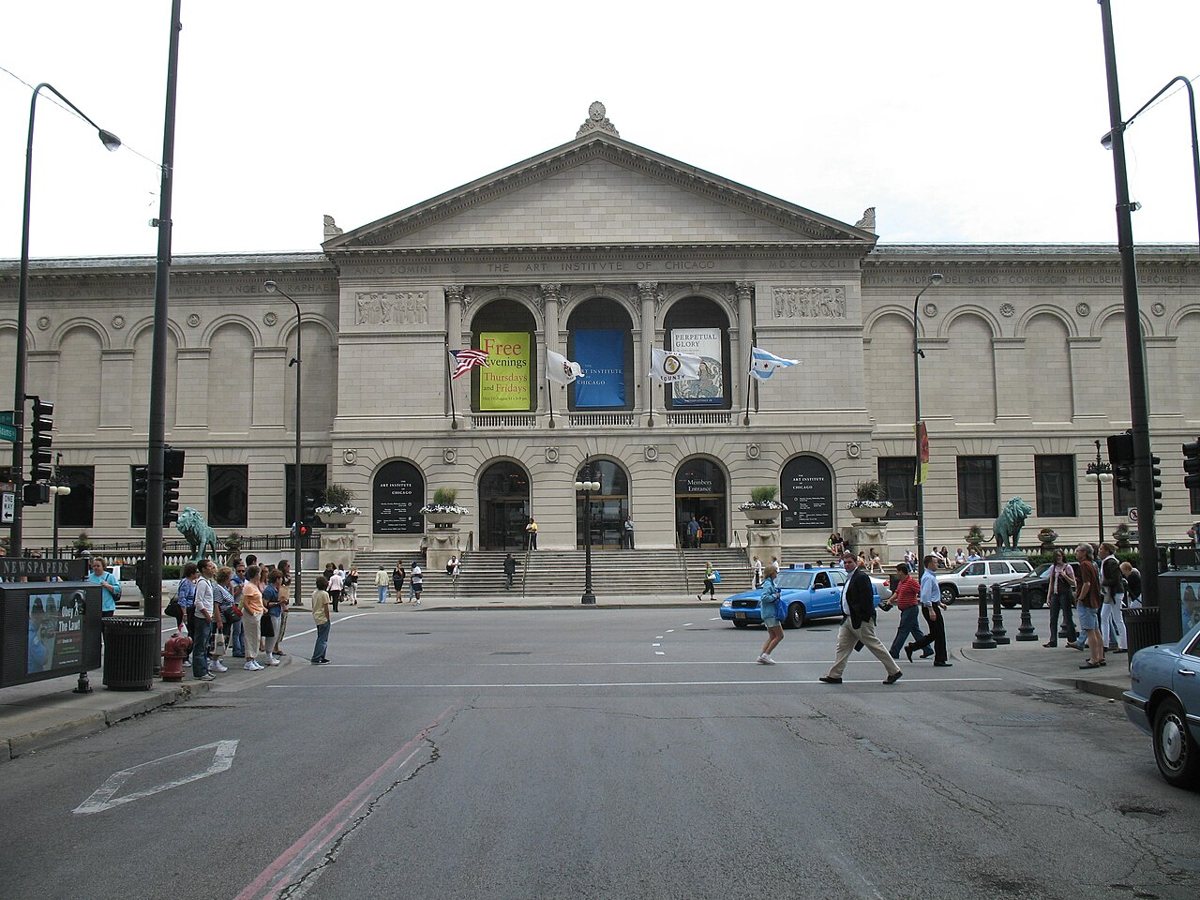
A few blocks south, the Art Institute of Chicago holds one of the more complete collections in the country, and it rewards a plan rather than a wander. The Impressionist and Post-Impressionist galleries get the crowds, and they're worth the crowds, but the museum's American and contemporary wings are frequently half-empty by comparison. Give yourself real time with Grant Wood's American Gothic and Edward Hopper's Nighthawks, both of which live here permanently, and then wander into the Thorne Miniature Rooms in the lower level, dozens of tiny historic interiors built at a fraction of scale that most first-time visitors never find. Many museums around the city, including this one, offer free or reduced admission days for Illinois residents on a rotating schedule, so check current details before you plan a trip solely around one.

Grant Park stretches out behind the museum campus and holds Buckingham Fountain, a Beaux-Arts centerpiece that runs through the warmer months with a light show after dark that's genuinely worth timing a walk around. Maggie Daley Park sits just north with a climbing wall, a ribbon-shaped ice rink in winter, and a play garden that's become a default stop for anyone traveling with kids. None of this requires a car. It's all walkable from the Loop, and it's all connected by the Chicago Riverwalk, a paved path along the south bank of the river that's turned what used to be a service corridor into one of the better free things to do downtown.
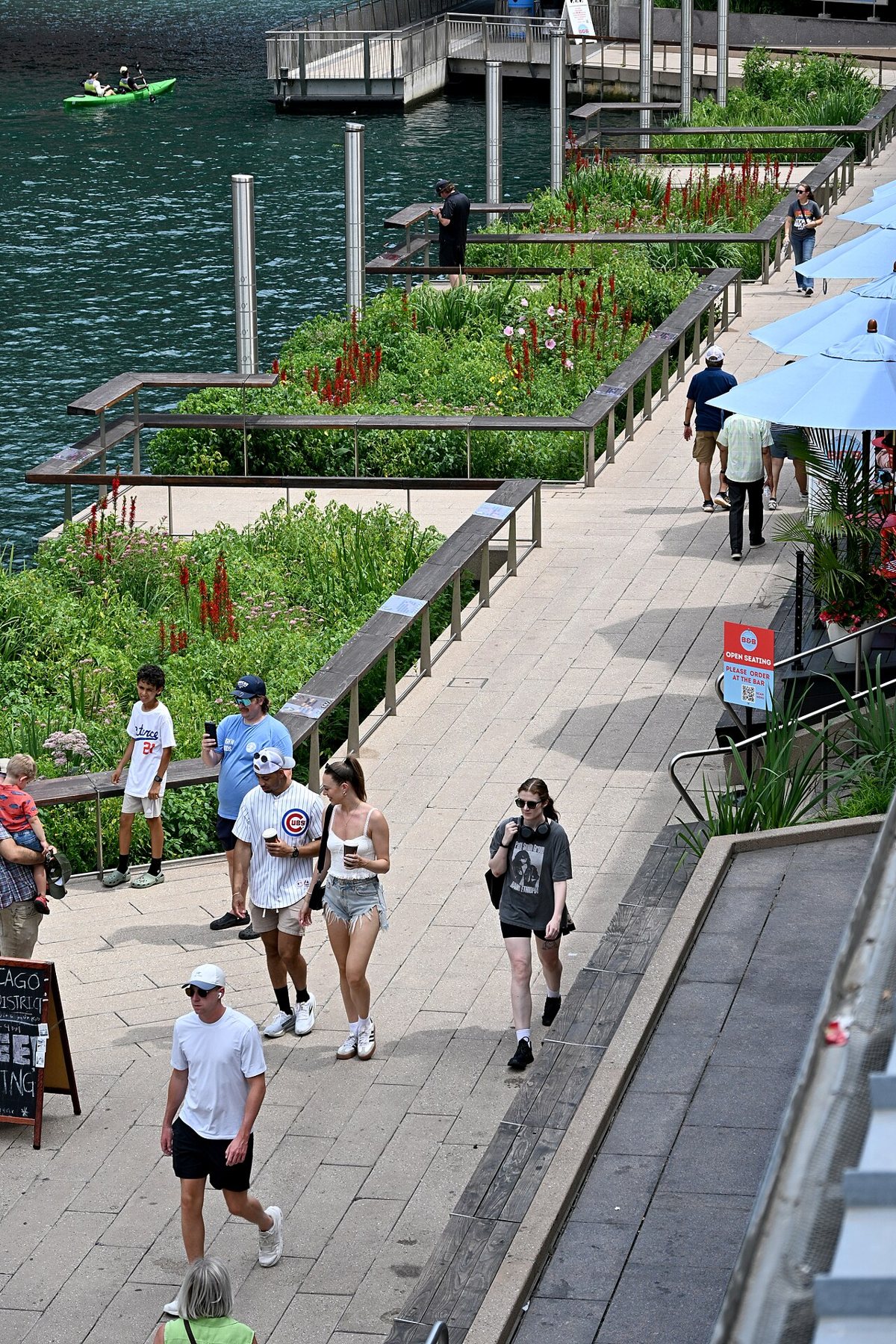
The Riverwalk is worth its own stop rather than a pass-through. Kayak and boat rental docks line sections of it in warmer months, restaurants and bars sit at water level under the bridges, and the Chicago Architecture Center runs its river cruise from docks nearby, an hour-long boat tour narrated by trained volunteers that remains one of the better introductions to how this city actually looks from the water. The Center's own galleries near Michigan Avenue are worth a stop too if the weather turns. Further along, the Chicago Cultural Center, a Beaux-Arts building that used to be the city's public library, is free to enter and holds one of the largest stained glass Tiffany domes anywhere, a detail almost nobody expects to find inside a municipal building.

South of the Loop, the Museum Campus groups three of the city's biggest institutions within walking distance of each other: the Field Museum, the Shedd Aquarium, and the Adler Planetarium. The Field Museum's centerpiece is Sue, one of the largest and most complete Tyrannosaurus rex skeletons ever found, now mounted in an upper-level gallery after years on the main floor. The Shedd's Caribbean Reef tank and its beluga habitat are the draws for families, and the Adler's planetarium shows and its lakefront perch, with one of the best skyline views in the city looking back at downtown, make it worth the walk even if you skip the shows. Budget a half day if you want to do the campus properly, longer if kids are along.
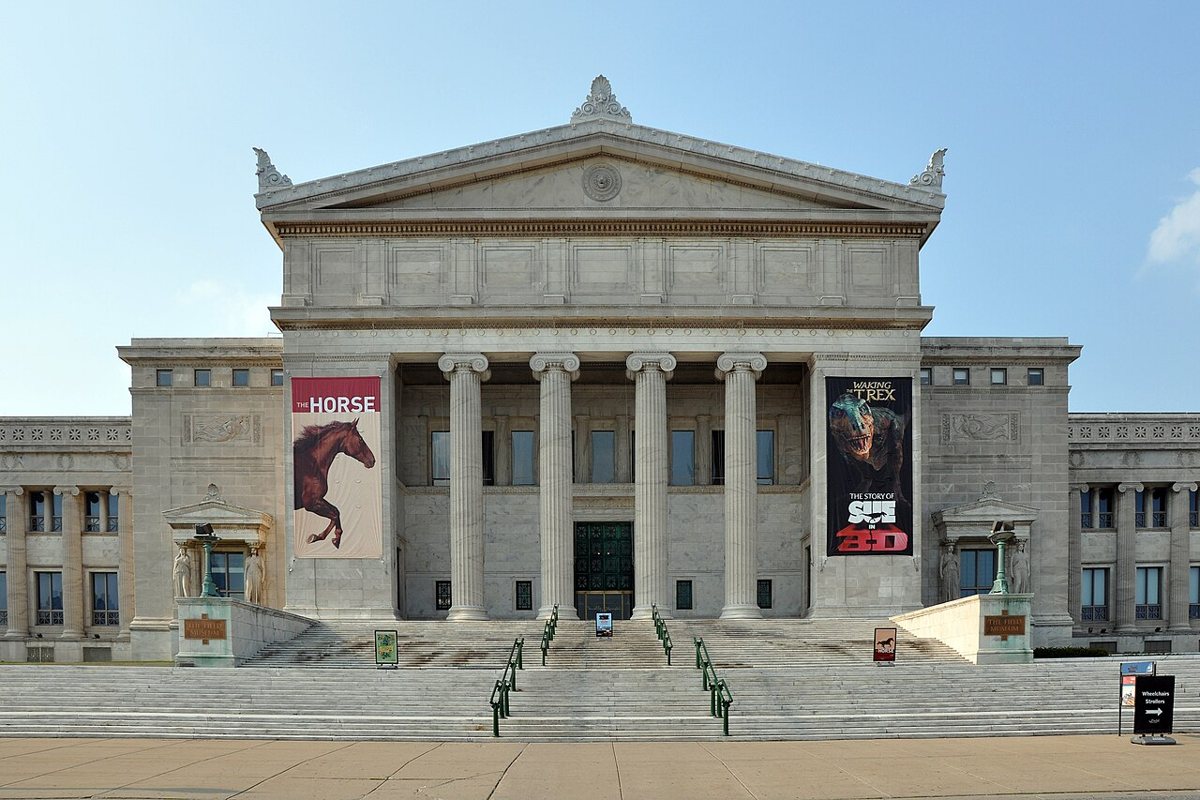

The North Side: Parks, Ballparks, and Neighborhoods
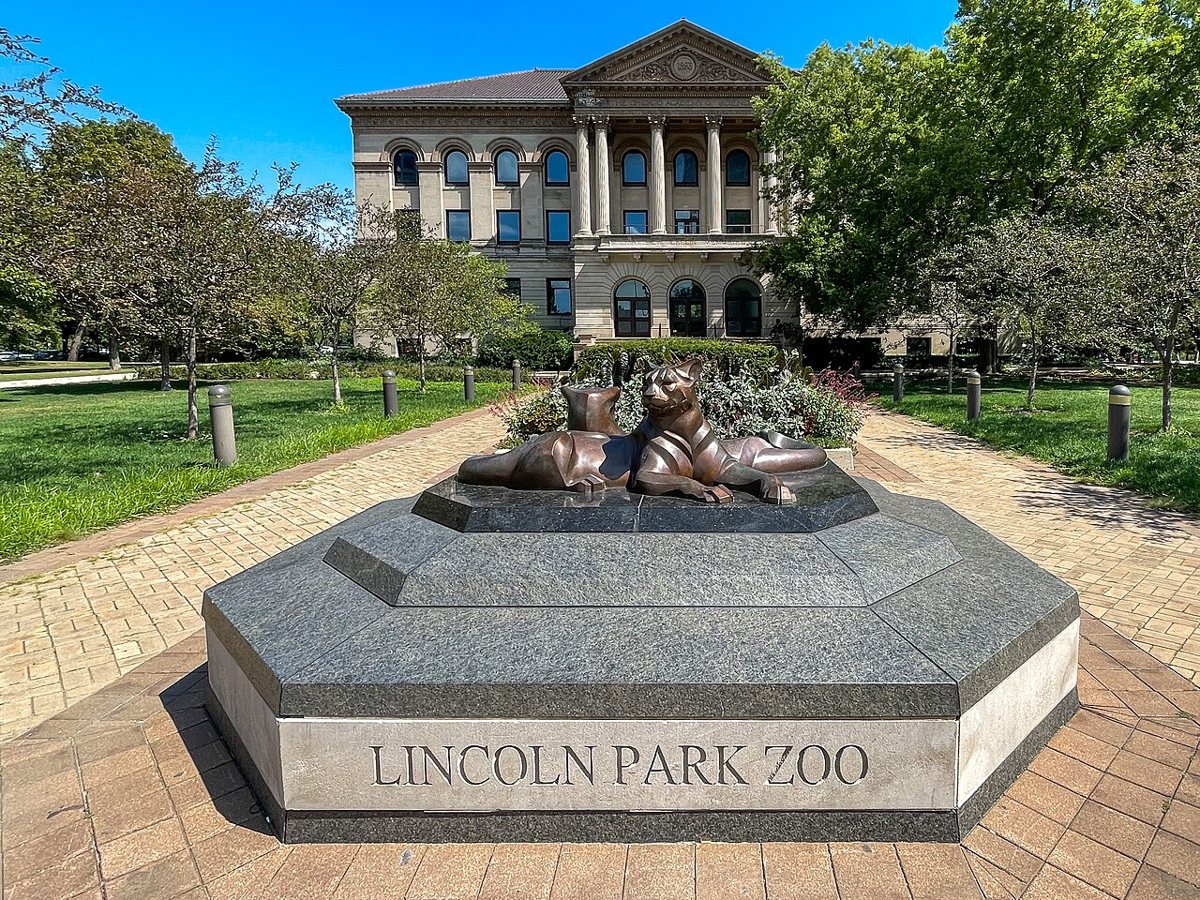
North of the river, the city loosens up into neighborhoods that reward walking without an agenda. Lincoln Park itself, the neighborhood and the park it's named for, holds the Lincoln Park Zoo, one of the few free, year-round zoos left in the country. There's no admission gate to get past, which changes the whole rhythm of a visit, families dropping in for an hour after work instead of budgeting a full day, and it shows in how unhurried the place feels even on a busy Saturday. The African penguin exhibit and the Regenstein Center for African Apes tend to draw the longest looks, but the real pleasure is the walk itself, past the park's lagoon and the conservatory just north of it, with the skyline visible over the treeline the entire way.

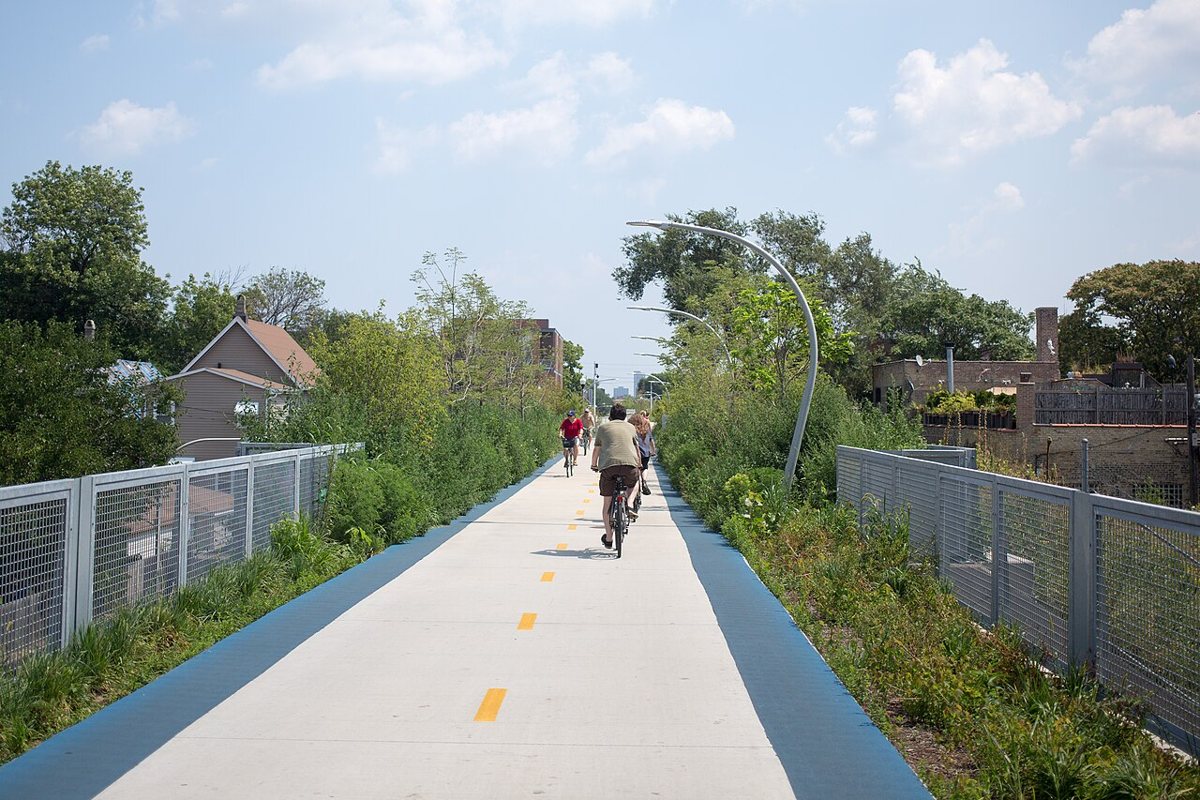
The 606, also called the Bloomingdale Trail, converted an old raised freight rail line into a nearly three-mile paved path running through Bucktown, Wicker Park, Logan Square, and Humboldt Park. It's an easy stroll or bike ride with sculpture installations, native plantings, and access points that drop you straight into some of the North Side's best food and shopping streets. The city's tavern-style pizza is the thing to eat when you come down off the trail, not deep dish, which is the special-occasion version most locals save for visitors and birthdays rather than a regular Tuesday. Wicker Park and Bucktown together hold the city's densest cluster of independent boutiques and record shops, while a few stops northwest on the Blue Line, Logan Square rewards a slower afternoon of boulevard walks under a full tree canopy, and the neighborhood's dinner and drinks scene doesn't need a tourist's itinerary to justify it.

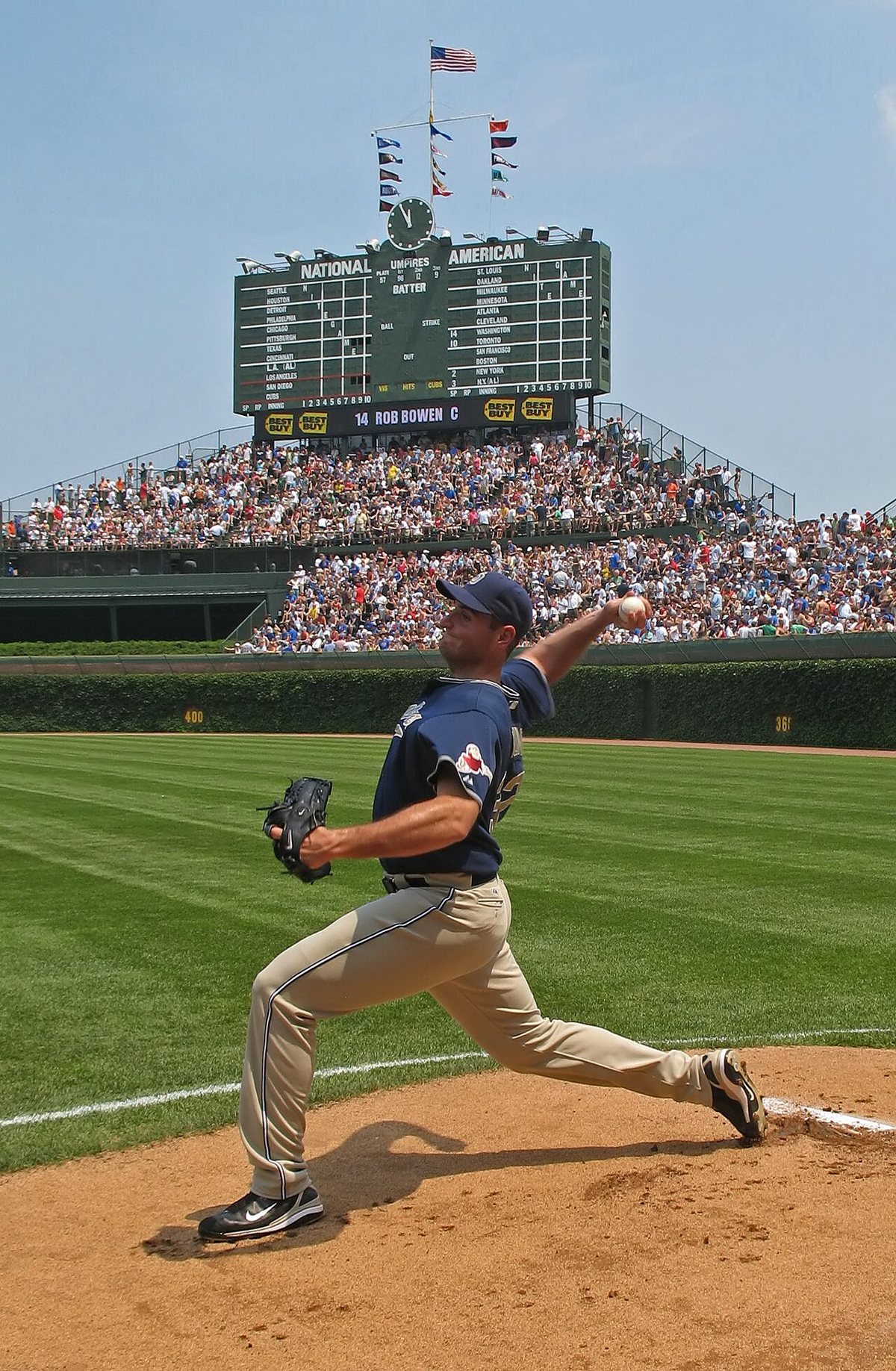
Wrigleyville exists because of Wrigley Field, the second-oldest ballpark in Major League Baseball and still one of the great American places to watch a game, ivy on the outfield walls and all. Even outside baseball season, the stadium and the streets around it are worth a look, and a game day here has a texture that new ballparks with retractable roofs and giant video boards can't fake. Rooftop seating on the buildings across Waveland and Sheffield Avenues has been part of the neighborhood's identity for decades, offering a view into the park from private decks that predate the team's own scoreboard expansions. Get there well before first pitch if you want to feel the neighborhood build toward it rather than just arrive for the anthem.

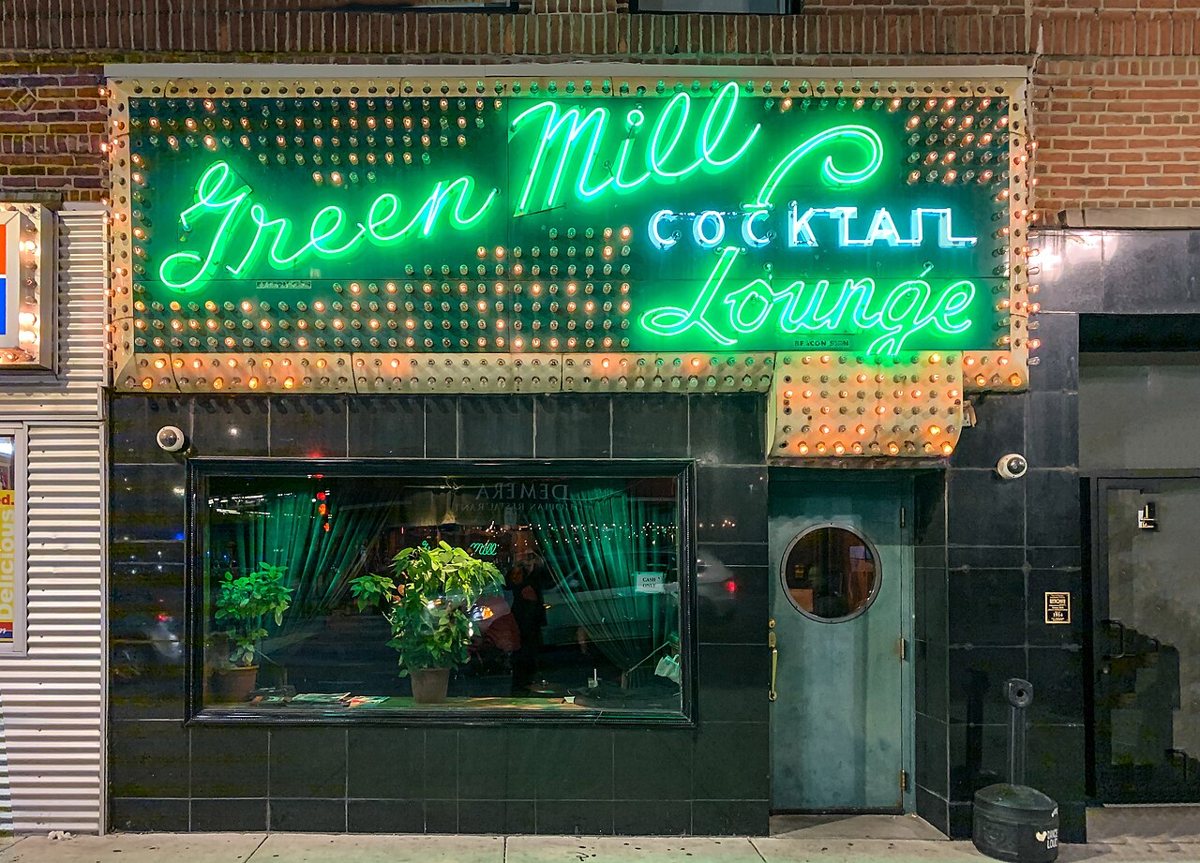
Further north, Andersonville keeps its Swedish immigrant roots visible in a handful of shops and a small museum, layered now with one of the city's most walkable stretches of independent bookstores, bars, and restaurants along Clark Street. And for music, the Green Mill in Uptown has been running jazz sets since the early 1900s, in a room with the same curved leather booths and low light it's had for generations. It's the kind of place where the music, not the décor or the crowd, is the entire point, and a night there does more to explain Chicago's relationship to jazz and blues than any museum exhibit could.

The South Side: History, Science, and a City Chicago Often Undersells
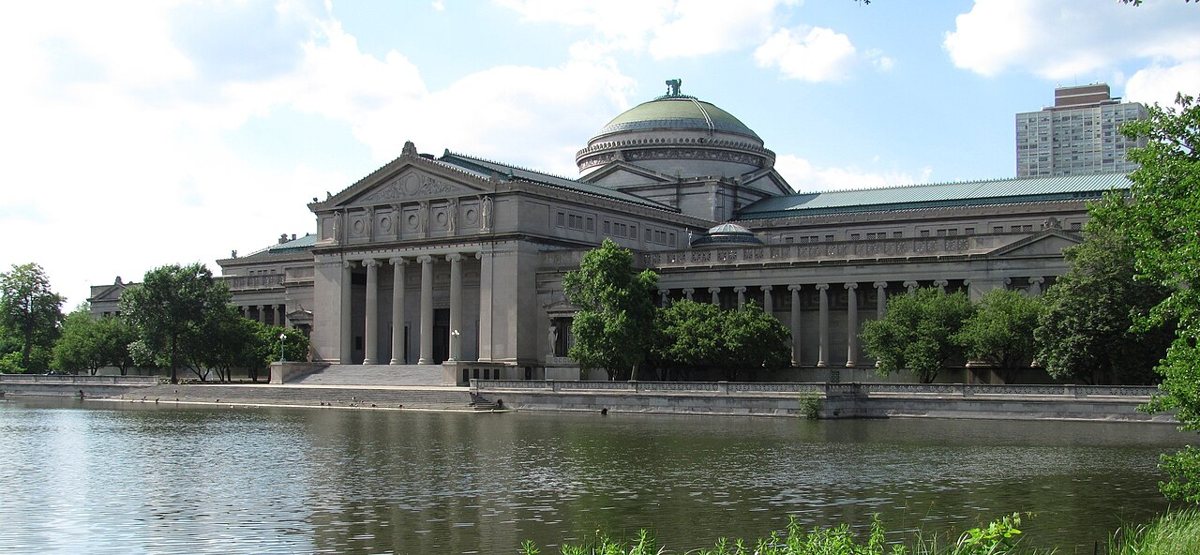
Any guide that skips the South Side is skipping most of the city's actual history, and doing so dishonestly. Chicago's segregation is real, its neighborhoods developed unevenly by design, and pretending otherwise does a disservice to some of the most substantial cultural institutions in town. Hyde Park, home to the University of Chicago, holds the Museum of Science and Industry inside a building that survived from the 1893 World's Columbian Exposition, the only major structure from that fair still standing on its original site. Inside, a full-size captured German U-boat, a walk-through coal mine, and a space wing built around an actual Apollo 8 capsule make it as hands-on as any major museum in the country, built for a full day rather than a quick pass-through.

Hyde Park itself rewards a walk past the university's Gothic quadrangles, the Rockefeller Memorial Chapel, and the Robie House, a Frank Lloyd Wright residence widely considered one of the clearest early statements of Prairie School architecture. Bronzeville, just north, was the heart of the historic Black Metropolis during the Great Migration, when it became one of the largest concentrations of Black-owned businesses, newspapers, jazz clubs, and civic institutions in the country. Walking tours and historic markers along King Drive trace that history, and the neighborhood's role in shaping Chicago's music, journalism, and civil rights history deserves far more attention from visitors than it typically gets.
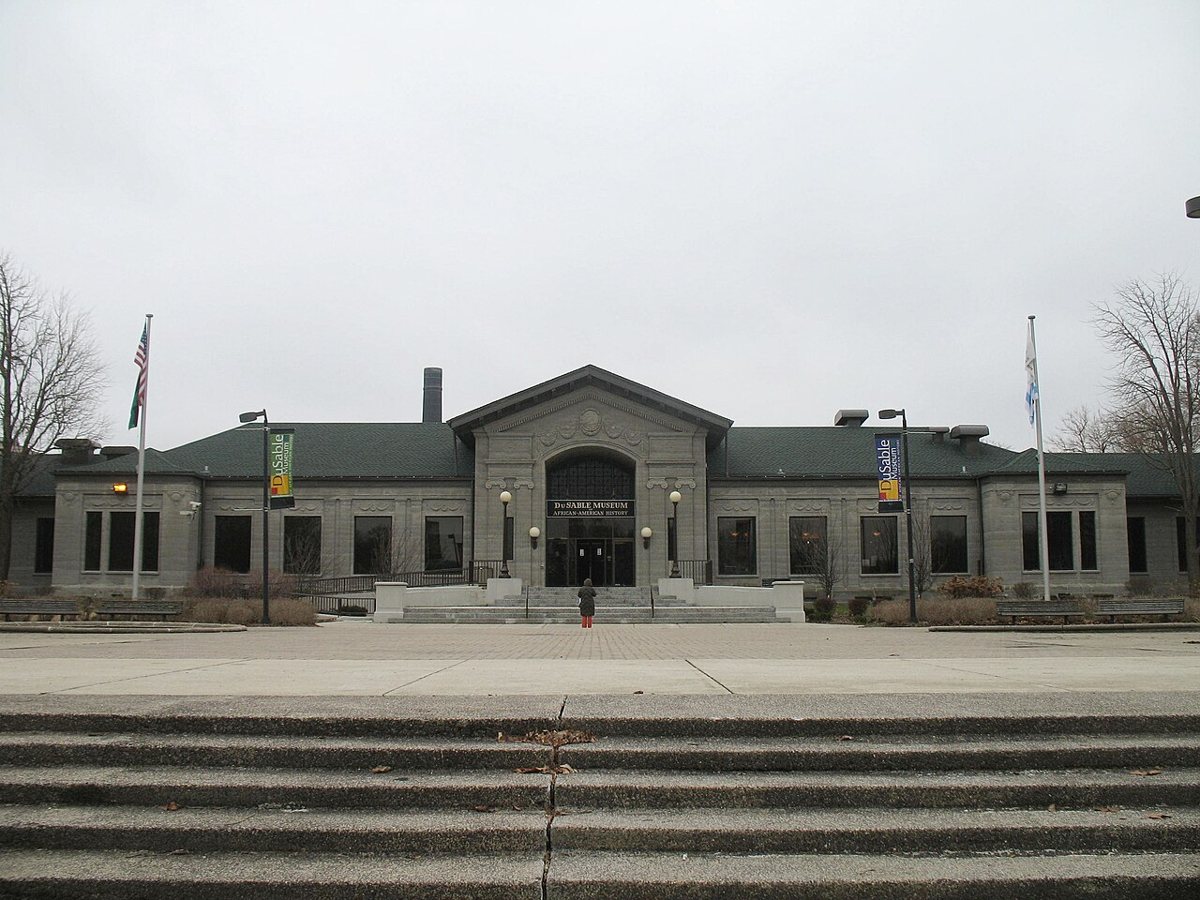
The DuSable Black History Museum, in the Washington Park area near Hyde Park, founded in 1961, ranks among the oldest museums in the country dedicated to the African American experience. Its collection runs from artifacts of the transatlantic slave trade through the civil rights movement and into contemporary Black art and culture, and it remains a substantial and badly underused stop on any serious Chicago itinerary. Pair a visit with a walk through Washington Park itself, one of the city's original Olmsted-designed green spaces.

Baseball fans on the South Side have Guaranteed Rate Field, home of the White Sox, a rivalry that runs deep and genuinely divides the city along lines that have as much to do with neighborhood identity as sport. A game here has a different energy than a Cubs game at Wrigley, less postcard, more neighborhood, and it's worth experiencing both if you're trying to actually understand how Chicagoans think about their own city rather than just photograph it.
The West Side: Gardens and Pilsen's Living Murals
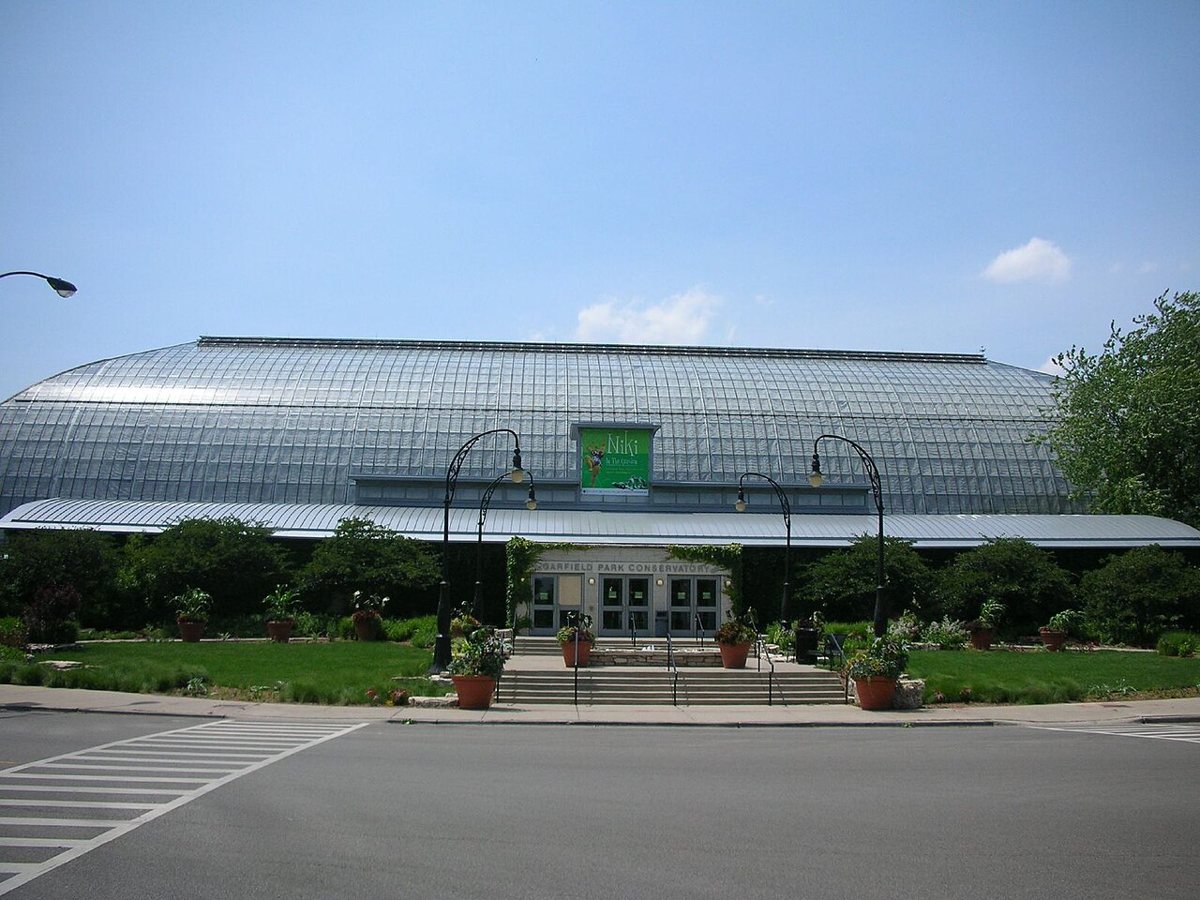
The West Side gets even less attention than the South Side in most visitor guides, which is a mistake. Garfield Park Conservatory, one of the largest conservatories in the country, holds several distinct indoor landscapes under century-old glass houses, from a fern room modeled on a prehistoric forest to a desert house full of cacti and succulents that thrive despite the Midwest winter outside. Admission has stayed free for its full history, and the surrounding Garfield Park itself, with its gold-domed fieldhouse, is one of the city's most architecturally distinctive green spaces.

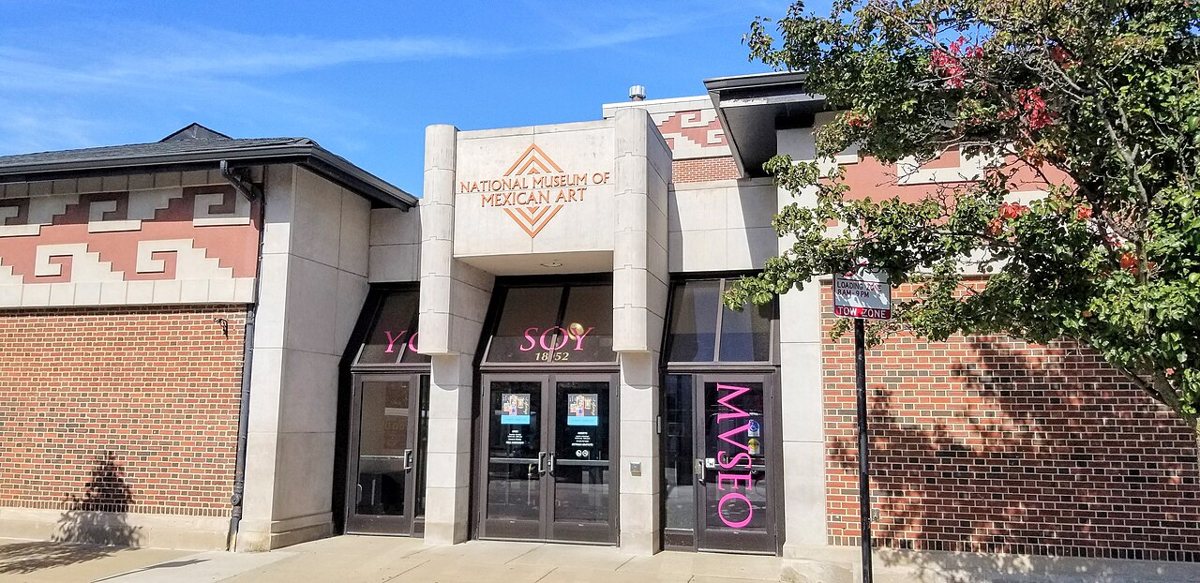
Pilsen, on the Lower West Side, is the city's central Mexican-American neighborhood and one of its most visually alive. Murals cover garage doors, alley walls, and storefronts along 16th Street and Blue Island Avenue, work that spans decades-old community pieces alongside newer commissions, and a slow walk through them functions as an open-air gallery that changes block to block. The National Museum of Mexican Art anchors the neighborhood formally, and it's the largest Latino arts institution of its kind in the country, with a permanent collection spanning pre-Columbian artifacts through contemporary work and rotating exhibitions that consistently punch above the museum's modest building. Admission has remained free throughout its history. Time a visit around one of the neighborhood's community events if you can, but even a plain weekday walk through Pilsen's streets delivers more texture than most single stops in this guide.

For a Rainy Day
- The Art Institute of Chicago and the Museum of Science and Industry both hold enough ground to fill an entire afternoon indoors.
- The Chicago Cultural Center is free, centrally located, and rotates exhibitions worth a stop even in bad weather.
- The Shedd Aquarium and the Adler Planetarium sit next to each other on the Museum Campus, so a bad-weather day can cover both without much walking outside.
For Families
- Lincoln Park Zoo costs nothing to enter and doesn't require a full-day commitment.
- Maggie Daley Park's play garden and climbing wall wear kids out in a way few urban parks manage.
- The Museum of Science and Industry's hands-on exhibits hold attention longer than most fine-art museums will for younger visitors.
Getting Around: The L, Timing, and What's Actually Free
The L, Chicago's rapid-transit rail system, is the most efficient way to move between most of what's listed here. The Red Line runs the north-south spine past Wrigleyville and down toward the South Side and Hyde Park via connecting buses; the Blue Line handles the western corridor through Wicker Park and Logan Square; the Brown, Green, and Pink lines fill in the rest of downtown and the West Side. A rechargeable transit card works across buses and trains and stays far cheaper and less stressful than parking downtown, where lots fill fast and prices swing hard depending on events at nearby stadiums or the United Center.
Timing matters more than most visitors expect. Summer weekends bring crowds to the lakefront and Millennium Park that thin out considerably on weekday mornings, and many of the West Side and South Side institutions listed here are genuinely quieter even during peak season, since fewer visitors make it that far. Free admission days at major museums are worth checking before a trip, since Illinois residency requirements and rotating schedules apply and change from year to year. What's reliably free regardless of season: Millennium Park, the Lakefront Trail, Lincoln Park Zoo, the Chicago Cultural Center, Garfield Park Conservatory, and the National Museum of Mexican Art.
Layer clothing more than the forecast suggests. Wind off the lake changes the temperature on Michigan Avenue by ten degrees compared to a few blocks inland, and a warm October afternoon downtown can turn sharp the moment you're standing at the Museum Campus with nothing between you and the water.
A Local's Closing Take
The mistake most guides make with this city is treating downtown and the lakefront as the whole story and the neighborhoods as an afterthought, or worse, stopping at the North Side and calling it complete. Chicago's best things to do live across all four directions, and skipping the South and West sides means missing the Museum of Science and Industry, the DuSable Black History Museum, Bronzeville's history, Pilsen's murals, and Garfield Park Conservatory's glass houses, none of which are secondary attractions dressed up as afterthoughts. They're central to understanding what this city actually is. Come for the Bean and the ballparks if that's the plan, but leave room in the itinerary to ride the Red or Blue Line somewhere the tour buses don't go. That's where the city tells you the truth about itself.