Best Italian in Wicker Park: A Local's Guide
Wicker Park has more Italian options than it used to admit — here's how to read the room before you sit down.
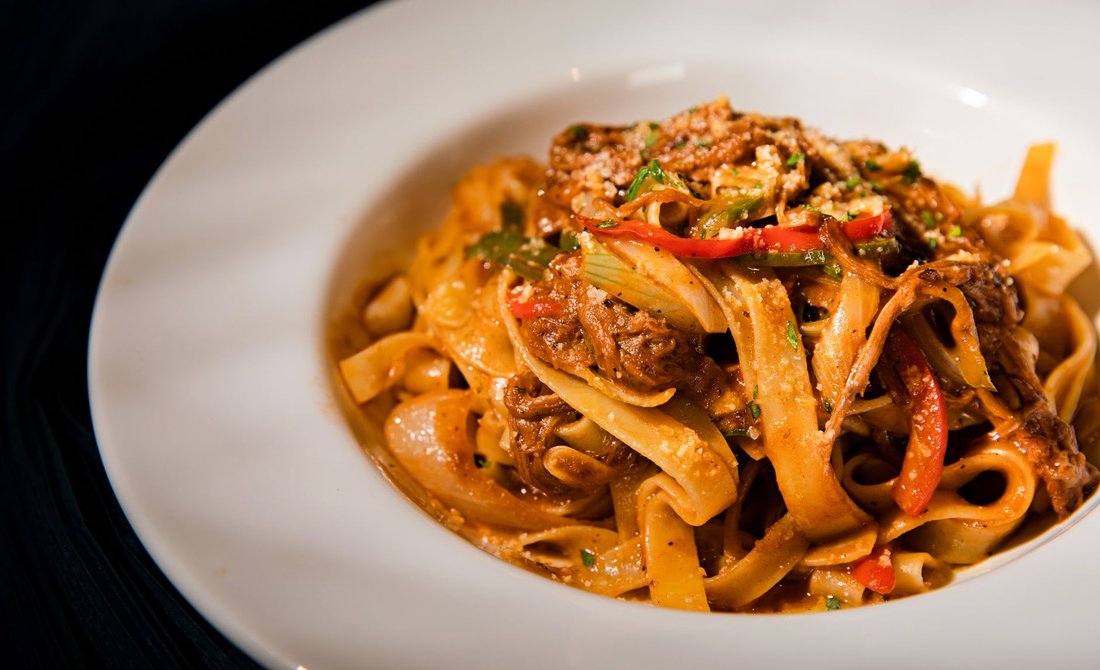
Walk north on Milwaukee Avenue on a Thursday evening and you'll pass at least three restaurants with pasta on the menu before you hit the 606 overpass. The neighborhood has changed enough times that nobody really argues about what it is anymore — it used to be artist studios and Polish delis, then galleries and cocktail bars, and now it's the kind of place where a $22 bowl of rigatoni can share a block with a vape shop. The spread is exactly why finding the best Italian in Wicker Park requires a little local translation.
What "Italian" Actually Means in This Neighborhood
Chicago Italian splits into at least three distinct categories, and Wicker Park has representatives of each. The first is the red-sauce house: checkered-cloth energy, candles in bottles, the kind of place that's been feeding the same families for decades. The second is modern Italian, which in practice means house-made pasta, a short wine list skewing natural, and a menu that changes with the market. The third, and this is the one visitors routinely overlook, is the Italian-American street tradition: the beef stand.
An Italian beef sandwich is not the same thing as sitting down to a bowl of pasta. It's a proper Italian beef — thinly shaved seasoned beef on Italian bread, dipped into the cooking jus, loaded with giardiniera if you know what's good for you. The tradition runs deep on the Northwest Side, and Wicker Park is close enough to that geography that a good beef stand is never far. Order it wet if you've never had one. Order it with hot giardiniera. Do not think about it too hard.
The Best Italian in Wicker Park Depends on What Night It Is
Weeknight logic differs from weekend logic here. On a Tuesday, you want somewhere that doesn't require a reservation two weeks out, has decent lighting, and won't make you feel underdressed. Usually that means the slightly older, more settled Italian spots, the ones that have been on the same block long enough to know the names of the people who come in for anniversaries every February.
Weekend nights are a different equation. The neighborhood draws people in from Logan Square, from Bucktown, from the North Shore suburbs who drove forty-five minutes because someone texted them a name. The modern Italian rooms fill up fast. If you want a table at one of the newer pasta-forward places without a wait, show up before seven or after nine. Showing up at eight on a Saturday and expecting to just walk in is optimism the neighborhood will not reward.
Red-Sauce vs. Modern: How to Read a Menu
The menus tell you almost everything you need to know before you sit down. A red-sauce house leads with antipasto and has chicken parmigiana in the entree section. That's not a criticism. A well-executed chicken parm is one of the better things you can eat, and the comfort is real. Modern Italian rooms tend to open with a crudo or a vegetable dish that sounds unlikely on paper and makes sense on the plate. They list pasta in the middle of the menu, not as a side note. If the pasta section has more than six items, you're probably in a red-sauce house. If it has four items and two of them change weekly, you're somewhere newer.
Neither approach is better. They solve different problems. The red-sauce house is where you go when someone's visiting from out of town and you want them to understand why Chicago doesn't spend a lot of energy worrying about what New York thinks. The modern room is where you go when you want to eat well and talk about what you're eating.
What to Order, Regardless of Where You Land
- House-made pasta over dried, always, when the option exists; the texture difference is not subtle.
- Ask about the giardiniera. Any Italian spot in this city that makes its own is worth noting, and some do.
- Tiramisu over cannoli in this neighborhood specifically. The cannoli tends to be good but not exceptional; the tiramisu at the better spots is worth saving room for.
- A short rib or braised meat on the menu usually signals that the kitchen is paying attention to the long-cooking traditions that make Italian food work in winter, which is most of the year here.
The Beef Stand Question
A note for anyone who arrived in Chicago recently: the beef stand is not a lesser category. It is a distinct tradition, and Wicker Park and the surrounding Northwest Side neighborhoods are legitimate territory for it. You can eat beautifully at a sit-down Italian dinner and then, three weeks later, have an equally meaningful meal standing at a counter with a beef sandwich dripping onto white paper. They are not in competition. Chicago's food culture has always been comfortable holding both things at once, which is one of the more honest things about it.
A Few Practical Notes
Parking on Milwaukee Avenue is not going to happen on a weekend evening. Take the Blue Line to Damen. It drops you at the center of the neighborhood and you'll walk past four or five options on the way to wherever you're going, which is useful reconnaissance.
The 606 trail runs along the northern edge of Wicker Park, and if you're eating in the warmer months, a walk before or after dinner is worth doing. The neighborhood looks different from up on the trail. You get a sense of the back porches and the old two-flats and the way the city stacks up in that particular Northwest Side way. It's a good way to remember that the neighborhood you're eating in is still a neighborhood, not just a restaurant district.
The honest takeaway: Wicker Park Italian rewards people who know what they want before they walk in. Pick your register, traditional, modern, or beef counter, and the neighborhood will deliver. Show up without a plan on a Saturday and you'll spend forty minutes on the sidewalk refreshing a wait-list app. That's the neighborhood's one real flaw, and it's been that way long enough that it's basically a feature now.