Best Mexican Restaurants in Chicago: A Local's Guide
The best Mexican food in Chicago isn't on one list. It's spread across Pilsen, Little Village, and Logan Square, and knowing where to look matters more than knowing where to rank.
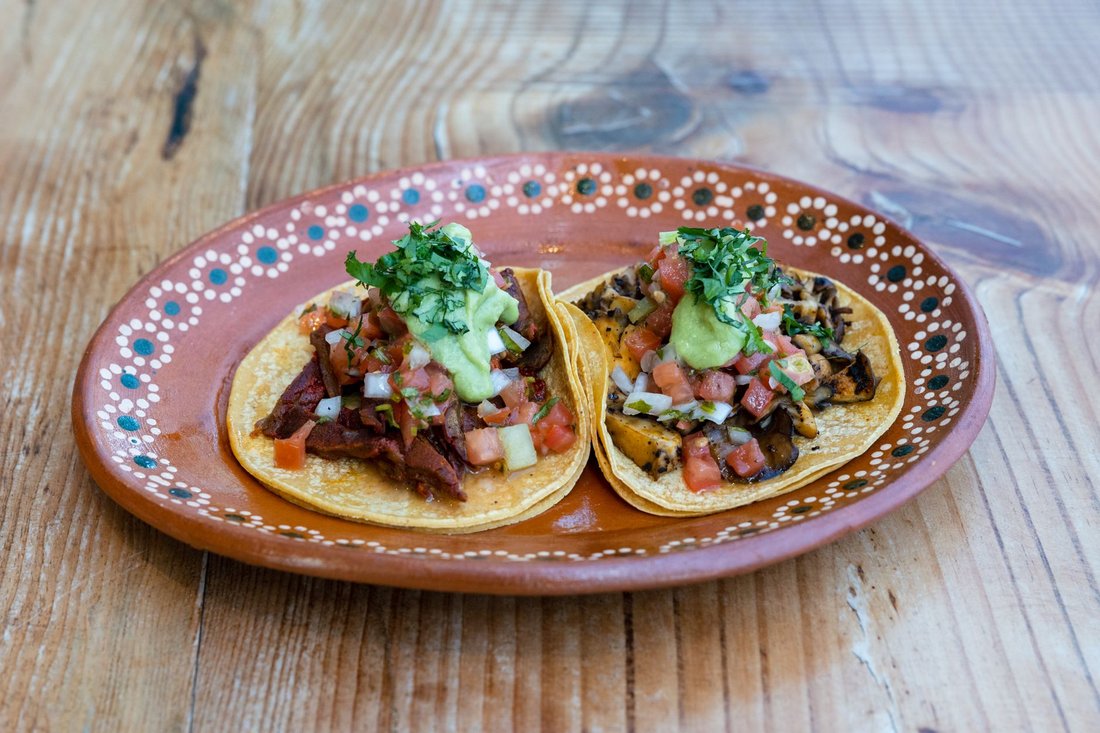
Walk down 18th Street in Pilsen before nine on a Saturday morning and you'll smell the day's tortillas before you see the shop that made them. Steam fogs the windows. A man in an apron stacks pan dulce into a case with the calm of someone who's done it ten thousand times. This is not a scene built for a tourist itinerary. It's just Tuesday, or Saturday, in a neighborhood that has been feeding Chicago for generations. Any honest search for the best Mexican restaurants in Chicago has to start here, and in a handful of other pockets of the city that get less credit than they've earned.
Chicago's Mexican food scene isn't a single strip you can photograph and call it done. It's spread across the city in the way most good things here are: unevenly, loyally, and mostly without a publicist. Pilsen and Little Village on the Southwest Side hold the deepest roots, with decades of family-run kitchens, panaderías, and taquerías that never bothered chasing a trend because they were the trend the whole time. Logan Square, on the North Side, has become a genuine restaurant destination in its own right, built in large part on the Latino community that shaped the neighborhood long before it showed up on anyone's "best of" list. Belmont Cragin and Avondale have their own quiet strongholds. So does Back of the Yards. None of this is secret. It's just not always where the guidebooks look.
What Makes the Best Mexican Restaurants in Chicago Worth the Trip
The good ones share a few traits that have nothing to do with how many stars they've collected online. They tend to specialize rather than sprawl. A menu that does five things extremely well beats one that does forty things adequately. The tortillas are usually made in-house or sourced from a tortillería a few blocks away, not shipped in from somewhere generic. The salsas taste like they were built by someone with an opinion, not a corporate recipe card. And the crowd skews local: families on a Sunday, workers grabbing lunch on a break, someone's abuela holding court at a corner table. If a restaurant is packed at 2 p.m. on a weekday with people who clearly aren't there for the photo, pay attention.
Regional specificity matters too. Mexico is not one cuisine, and neither is Mexican Chicago. Some kitchens lean Jalisco, others Michoacán, others Oaxaca, and the differences show up in everything from the mole to the way the carnitas are cut. Pilsen's taquerías carry that regional range block by block, which is part of why the neighborhood rewards slow exploration rather than a single stop.
What to Order
Start with tacos al pastor if the place has a trompo, the vertical spit of marinated pork shaved to order. Watch for the char on the edges and the small hit of pineapple that should be a whisper, not a headline. Birria has had a moment nationally, but in Chicago it's been a staple for years, served either dry with a side of consommé for dipping or wet in the broth itself; ask which style a kitchen does before you order, because they're different experiences.
Beyond the Taco
Tamales deserve more attention than they usually get outside of December. A good tamal, wrapped in corn husk or banana leaf depending on the region, holds together on its own and doesn't need drowning in sauce to taste like something. Mole is a test of patience in the kitchen: a proper mole negro or mole poblano takes hours and a long list of ingredients, and you can taste the difference between a shortcut version and one somebody actually sat with. Cemitas, the sesame-seed sandwich built around milanesa, avocado, and a stringy Oaxacan cheese called quesillo, show up less often but are worth seeking out. And don't skip the sides: an elote or esquites stand can be doing more interesting work than the entrée next to it.
How to Tell the Real Thing From a Tourist Trap
- The menu is specific rather than encyclopedic, with dishes tied to an actual region of Mexico.
- Agua frescas and horchata are made fresh, not poured from a mix, and the flavors change with what's in season.
- The crowd includes people who clearly eat there every week, not just visitors working off a list.
Price is a weaker signal than people assume. Some of the most exacting cooking in the city happens in storefronts with laminated menus and cash registers older than the customers. A high check doesn't guarantee more care in the kitchen, and a low one doesn't mean corners got cut. Judge the food, not the décor.
Beyond Pilsen and Little Village
It's worth saying plainly: the South and West Sides of Chicago hold as much of this city's food history as anywhere north of the river, and Mexican cuisine is a huge part of that story. Logan Square's restaurant scene gets more ink these days, and deserves some of it, but it grew out of the same communities that built Pilsen and Little Village decades earlier. Treating the North Side spots as the destination and the Southwest Side as a side trip gets the history backward. If you're building a real tour of Mexican food in this city, the map should run in both directions.
The lake gets all the attention when people describe what Chicago looks like from a distance, but the food that actually built this city's reputation came from kitchens nowhere near the water. Skip the ranked countdown mentality. Pick a neighborhood, go on a weekday when the regulars are there, order the dish the kitchen is clearly built around, and go back. That's how you find the best Mexican restaurants in Chicago: not from a single list, but from paying attention to where the city has already been eating for fifty years.