Best Italian Restaurants in Logan Square, Tried and Tested
A neighborhood that used to run on kielbasa and pierogi now runs a real Italian food scene, and knowing the corridors matters more than any single review.
On a Friday night the sidewalk outside the old bank building on the traffic circle fills up before the doors even open. Somebody leans against the base of the eagle monument with a paper cup of wine, waiting on a table, while the Blue Line rattles under the boulevard every few minutes like a metronome for the whole block. This is Logan Square doing what it does now, turning a corner that used to hold a currency exchange or a Polish deli into a dining room with a wait list. Anyone searching for the best italian restaurants in logan square is really asking a bigger question, because the neighborhood doesn't run on one Italian tradition. It runs on three or four at once, spread along Milwaukee, California and Kedzie the way the boulevards themselves spread out from that eagle.
The Corridors Behind the Best Italian Restaurants in Logan Square
Milwaukee Avenue is the spine. It cuts diagonally through the neighborhood, the way it has since it was a plank road out to the northwest side, and it still carries the old commercial rhythm of the corridor: a laundromat next to a wine bar, a taqueria next to a pasta counter. California Avenue runs the other direction, past the greystones and two-flats that used to house Norwegian and Polish families before the boulevards got expensive. Kedzie fills the gap between them, quieter, more residential, with kitchens that don't bother with a sign much bigger than a house number. None of these strips got planned as a restaurant district. They got there because rent was cheap enough for chefs to take a chance years ago, and diners followed on foot and off the L.
The Italian Styles You'll Actually Find
Ask ten people in Logan Square what counts as real Italian food and the answers won't match, and most of them will still be right. Red-sauce cooking is still around, built on a Sunday-gravy logic of long-simmered tomato, garlic and a heavy hand with cheese. It's comfort food and it isn't trying to be anything else. Modern Italian runs a different lane: smaller plates, a wine list somebody actually thought about, a menu that shifts with what's at the market instead of repeating the same eight dishes since the Reagan years. Pasta-focused kitchens split off from both, treating the noodle as the whole point, extruded or rolled in house, sauced sparingly so the shape does the talking. Roman-style pizza, thin and crisp and cut into squares off a sheet pan, has found real footing here too, its own thing entirely, apart from the tavern-style thin crust this city built its name on.
What a Serious Pasta Program Looks Like
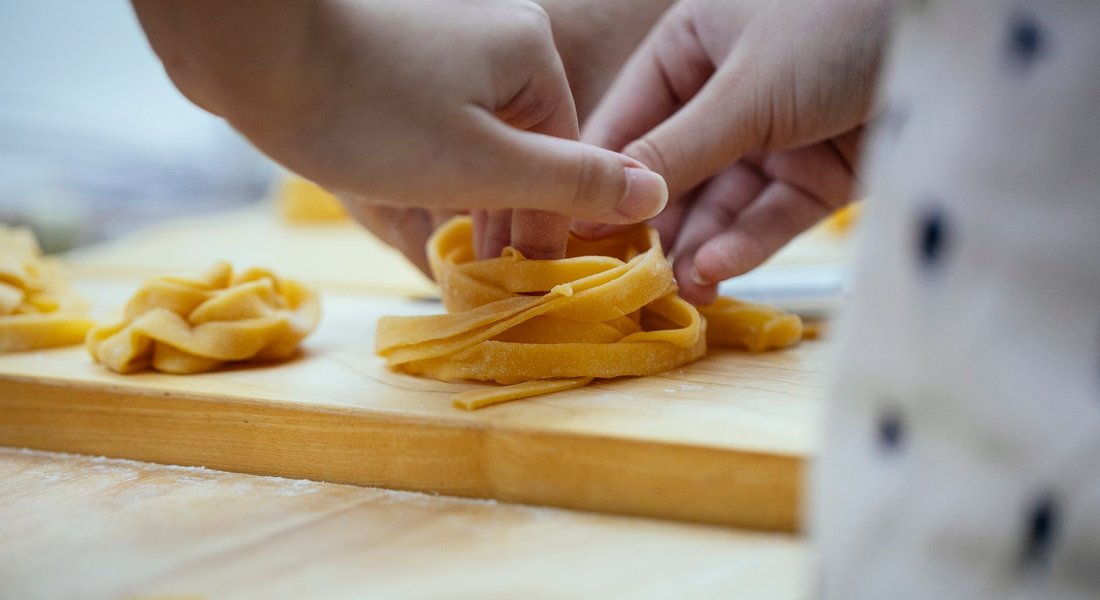
The easiest tell is texture. Fresh pasta should have a little give and a slight roughness that lets sauce cling to it, not the uniform slickness of something boiled straight from a box. Ask whether the pasta is made in house. A kitchen proud of the answer will say so before you finish the question. Watch the sauce-to-noodle ratio too. A kitchen that understands pasta coats it lightly and lets the shape carry the dish. A proper cacio e pepe should look almost dry until you twirl it, not sitting in a pool.
- Menu language that names actual regional dishes and cuts of pasta rather than generic catch-all category names
- Bread and olive oil that get real attention instead of arriving as an afterthought
- A wine list weighted toward Italian regions, not a short global default list
- Servers who can explain the difference between two pasta shapes without reading off a card
- A kitchen willing to change the menu with the season instead of running it year-round
Timing a Visit
Logan Square doesn't keep quiet hours the way it used to. A Tuesday can run as long a wait as a Saturday if a place doesn't take reservations, and several of the neighborhood's better-regarded pasta and modern Italian rooms don't. Weeknight dinner right when the kitchen opens, around 5:30, is the reliable window, and so is lunch, when you can pair a plate with a walk down the boulevards toward the park around the monument. Reservations, where they exist, go fast on weekends, especially once the patios along Milwaukee and California fill in warmer months. If Logan Square whets your appetite for the wider Italian scene across Chicago, the corridors here are a strong place to start. Anyone building a full day around the neighborhood should treat the food as one piece of a longer day out in the city, not the only stop on the itinerary.
The neighborhood's Italian food holds up because it never settled on one version of itself. It kept the red-sauce rooms that fed working families here for generations, made space for the pasta bars and modern dining rooms that followed the rent north, and left room for a Roman-style pizza slice to sit next to a tavern-style pie without anyone treating one as more legitimate than the other. Walk the boulevards, pick a corridor, and judge a kitchen by what's on the plate instead of what's painted on the window. That's the whole method, and it hasn't failed yet.