Spring Things to Do in Chicago You Shouldn't Miss
A Chicago Reader veteran's honest map of the city's best spring outings, from Montrose Beach birding at dawn to Wrigleyville on Opening Day, with the South and West sides included on purpose.
By the last week of March, the regulars are already back at Montrose Beach before seven in the morning, scanning the dune grass for the season's first warblers. The lake still carries a bite that says winter hasn't let go, and on windy days it throws whitecaps that look more like an ocean than a lake ought to. The light is different now, though, low and gold instead of flat gray, and the joggers on the lakefront path weren't out there in February. This is what spring things to do in Chicago actually look like at ground level: a city testing the weather in small increments, filling its parks and patios back in one warm afternoon at a time, long before anyone would call it summer.
What follows is a real accounting of where to spend those afternoons, organized the way a person who actually lives here would plan a season: by neighborhood, by what kind of day you're having, and by who you're dragging along. Some of this is downtown and famous enough that it needs no introduction. Plenty of it sits a fifteen-minute drive or a short L ride from the Loop and gets a fraction of the visitors it deserves. All of it plays better in April and May than at any other point in the year, for reasons that have to do with light, crowds, or both, and none of it requires pretending Chicago is competing with anywhere else. It isn't. It's just getting its own season back.
Spring Things to Do in Chicago Downtown and on the Lakefront
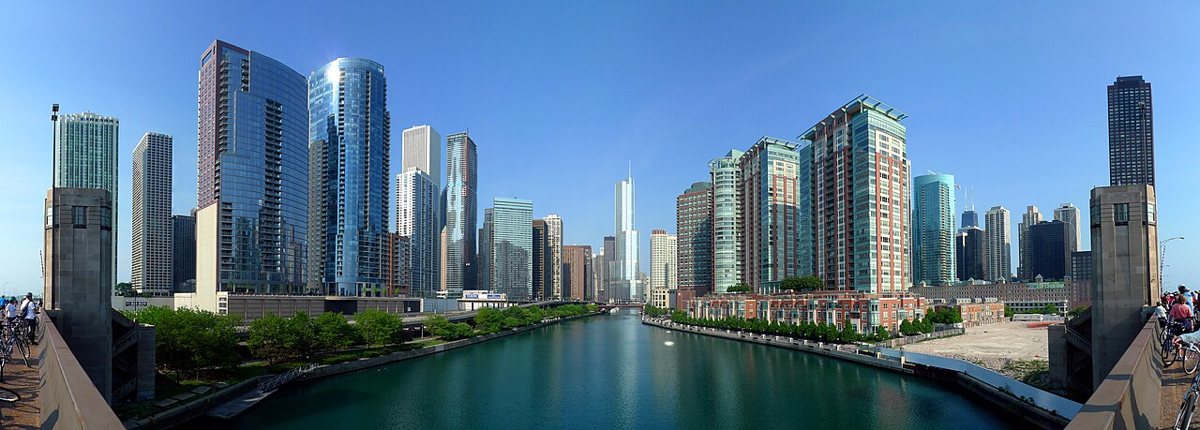
The Chicago Riverwalk along the south bank of the Chicago River is where the city's spring mood turns first. Restaurants that shutter their patio furniture in November start hauling it back out as soon as a stretch of fifty-degree days holds, and by late April the run between State Street and Lake Street is doing a decent impression of a European promenade, minus the accent. Architecture boat tours relaunch here for the season, gliding past the skyline at river level, which remains one of the better ways to actually understand how this city is put together, block by block, in a way the sidewalk never shows you. Kayak launches and floating gardens along the same stretch turn a simple walk into an afternoon if the weather cooperates. The insider move is to walk it at golden hour on a weekday rather than fight the weekend crowds, and to treat the stretch past the State Street bridge as a reason to loop back rather than pass through once. It sits right downtown, an easy walk from the Loop or the Mag Mile, and connects north toward Navy Pier if you want to keep going.

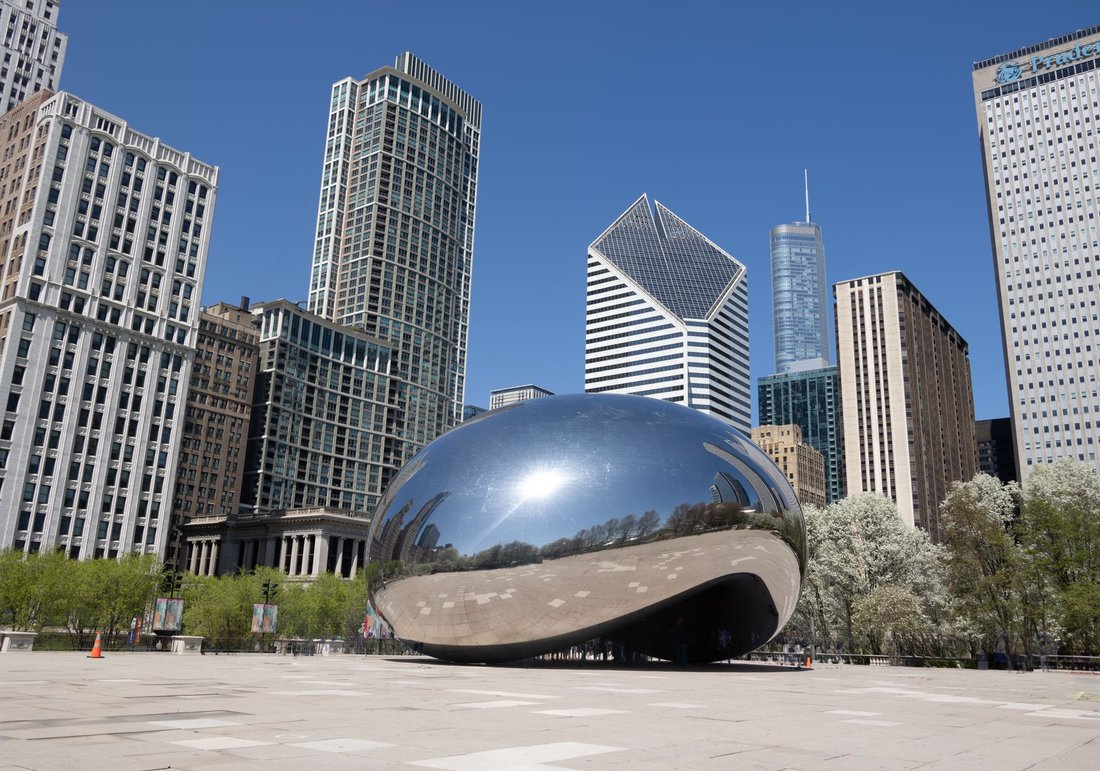
Millennium Park is the one most visitors already know they're supposed to see, and it earns the reputation regardless of how many times it's been photographed. Cloud Gate, the reflective sculpture everyone here just calls the Bean, is the obvious photo op, but the park itself works as a genuine gathering space, with the Pritzker Pavilion's great lawn filling in for free programming as the weather turns and the Lurie Garden's perennial beds starting their long build toward summer bloom. Early spring is arguably the best window to actually see the Bean without fighting a wall of tour groups three deep, especially on a weekday morning before ten, when the light off its surface is worth the early alarm on its own. It's usually free to walk through, and it connects directly to Maggie Daley Park to the east and the Art Institute just across Monroe Street, so it anchors a whole downtown afternoon rather than a fifteen-minute stop between other errands.
Maggie Daley Park, just east of Millennium Park, is the one built for kids and for people who'd rather move than stand around admiring architecture. The climbing walls, the mini golf course, and the skating ribbon that converts to a walking and biking loop once the ice melts all make it a legitimate half-day outing once the weather breaks for good. Families from the North Side and the South Side both end up here on weekends because it's genuinely designed for movement rather than a photo angle, with enough variety that a five-year-old and a teenager can both find something worth doing. A weekday afternoon beats a Saturday if you can manage it, since the play areas pack in fast once school lets out for any kind of break. It sits directly behind the Art Institute, a five-minute walk from Michigan Avenue, and pairs naturally with a Riverwalk visit on the same day.
Grant Park itself, the larger green anchor that Millennium Park and Maggie Daley both sit inside, is worth naming separately because it's easy to treat it as just the space between other things rather than a destination. It hosts the city's big summer festivals later in the year, but in the shoulder season it stays quieter and more useful as a place to actually sit on grass, watch Buckingham Fountain in its off-season stillness before the seasonal jets come back online, or cut through toward the Museum Campus and the lake beyond it. Locals use it as a shortcut and a picnic spot in equal measure once the ground finally dries out from the last snowmelt, and the rose beds near the fountain reward a slow lap once the buds start opening.
Museums and Gardens Worth Building a Day Around
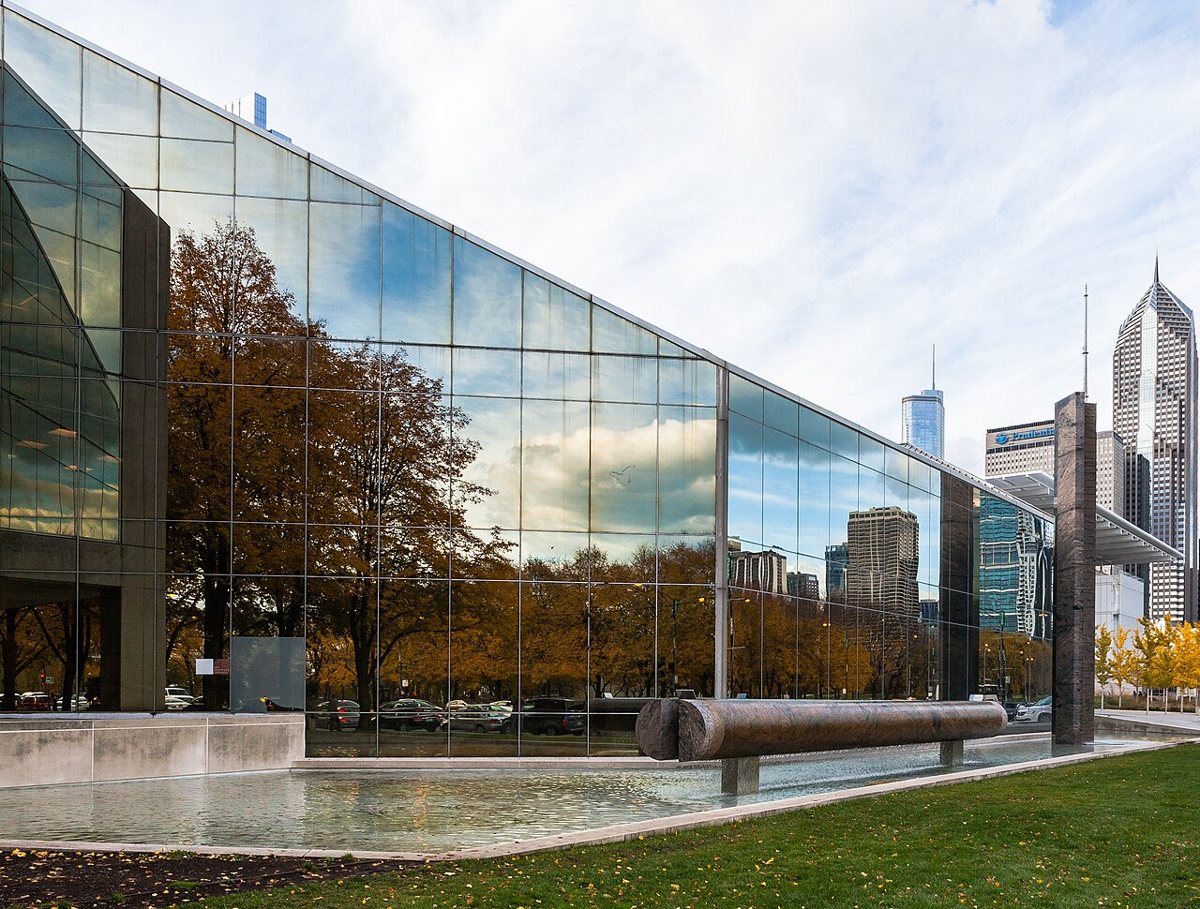
The Art Institute of Chicago runs its own quiet spring event that a lot of visitors miss entirely: the South Garden, set behind the museum along Michigan Avenue, fills in with tulips and other spring bulbs that make for one of the better free outdoor moments downtown, no ticket required to walk through and look at what's blooming. Inside, the collection needs no introduction, but the smart play is to time an indoor visit for a rainy or unexpectedly cold afternoon and save a clear day for the garden and the surrounding blocks along Michigan Avenue. Ask at the desk about current garden bloom timing since it shifts with the weather every year and never lines up with a calendar date. It sits right on Michigan Avenue at the edge of Grant Park, an easy add-on to a Millennium Park visit, and the lion statues out front are a reliable meeting spot if you're splitting up and regrouping later.

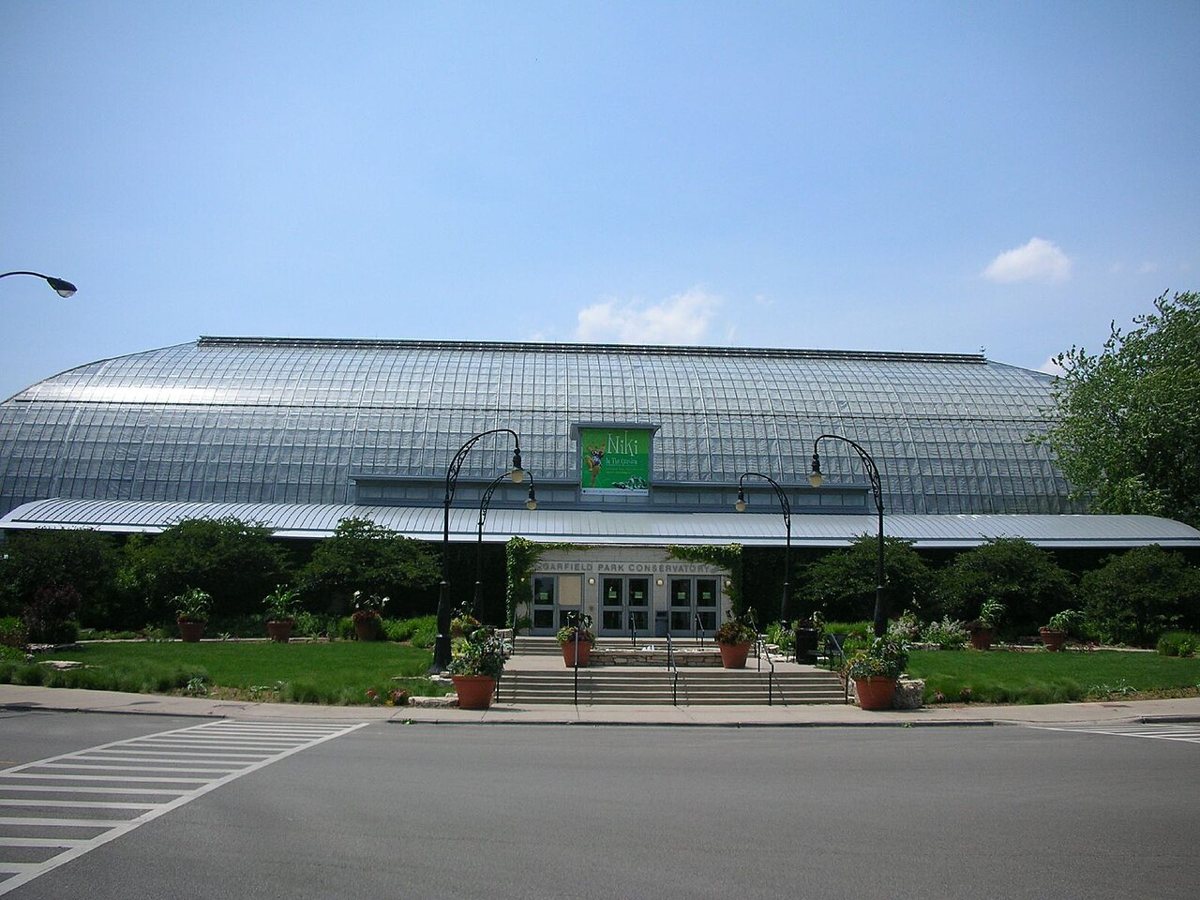
Garfield Park Conservatory, on the West Side in East Garfield Park, runs a spring flower show every year that outclasses anything downtown for sheer color, and it does it inside one of the largest conservatories in the country, so a cold or rainy day doesn't cancel the plan the way it would at an outdoor garden. The Fern Room and the Show House hold up on their own, but the season is when the bulb and bedding-plant displays turn the whole place into something closer to a greenhouse festival than a museum. Admission is usually free or close to it, which makes it one of the better bang-for-your-time outings in the entire city, and it deserves to be treated as a real destination rather than an afterthought squeezed in around the Loop museums. Take the Green Line directly to the Conservatory stop rather than driving if you can, since parking nearby is limited and the ride drops you at the door.

The Chicago Botanic Garden, technically up in Glencoe but firmly part of how this region thinks about its own green space, is where the bulb displays go big in a way no downtown park can match, with entire beds of daffodils and tulips timed to peak through April and into May depending on how the year's weather cooperates. The Japanese garden and its water features make it worth a slow, deliberate walk rather than a quick loop around the parking lot, and the tram tours are a good option for anyone who doesn't want to cover the grounds on foot in one go. Reaching it means a Metra ride or a drive from the city, best treated as its own half-day trip rather than something squeezed in alongside downtown plans. Weekday mornings run noticeably calmer than weekend afternoons once the weather turns reliably warm and the crowds start showing up in force.
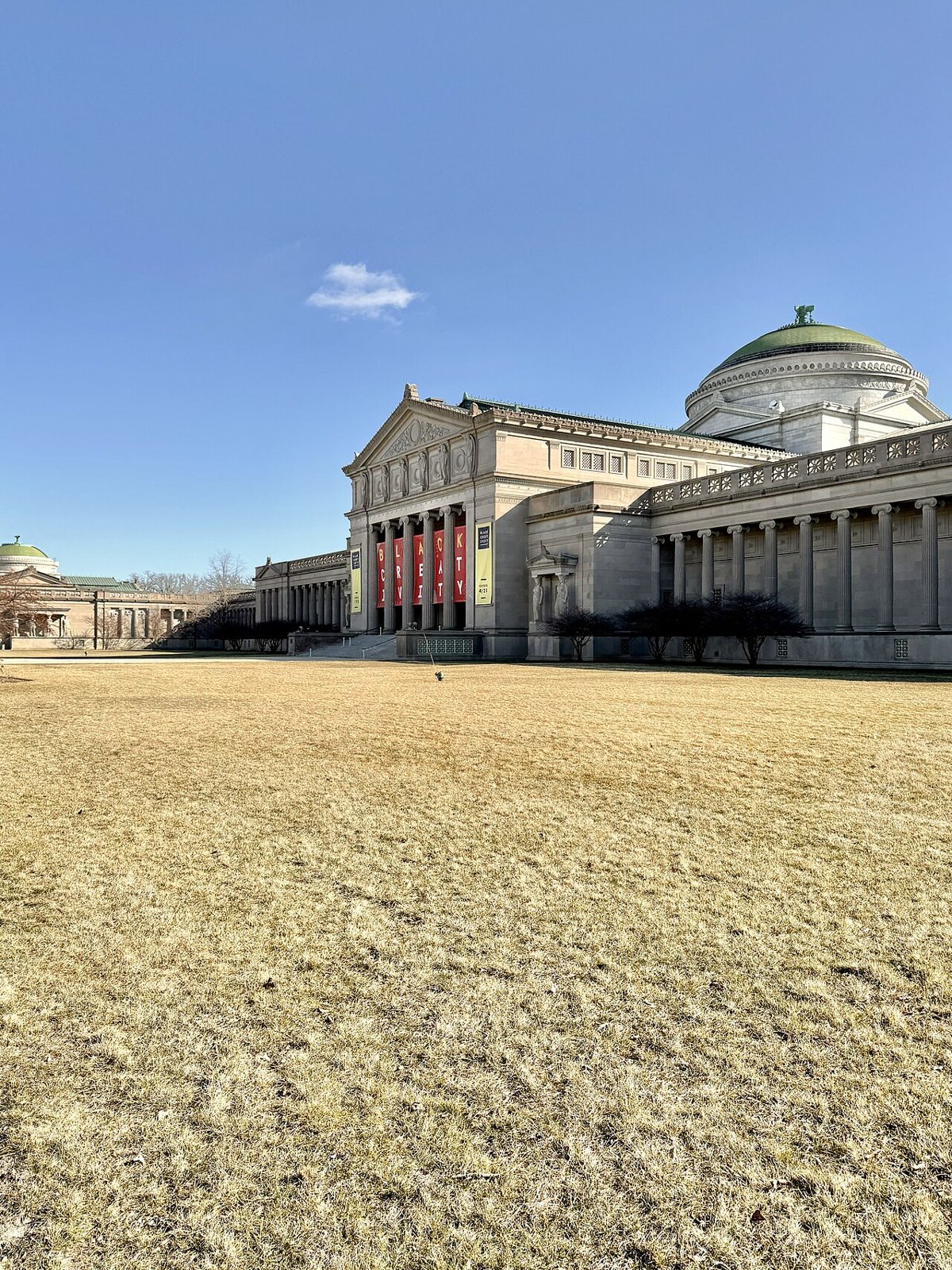
The Museum of Science and Industry in Hyde Park earns its spot on any honest list because it's a South Side institution that draws crowds from the entire city, not a downtown museum that happens to have a South Side address. Spring brings the school field trips back, so weekday mornings can run loud with buses lined up outside, but weekends stay manageable before summer tourist season hits its stride. The building itself, a surviving Beaux-Arts structure from the 1893 World's Fair, is worth appreciating from the outside before you even step through the doors. Pair a visit with a walk through the surrounding Hyde Park streets near the University of Chicago, past the bookstores and courtyards that give the neighborhood its own pace, and treat the whole outing as a full South Side day rather than a quick add-on to a downtown itinerary.

Parks and Trails for People Who'd Rather Move Than Sit
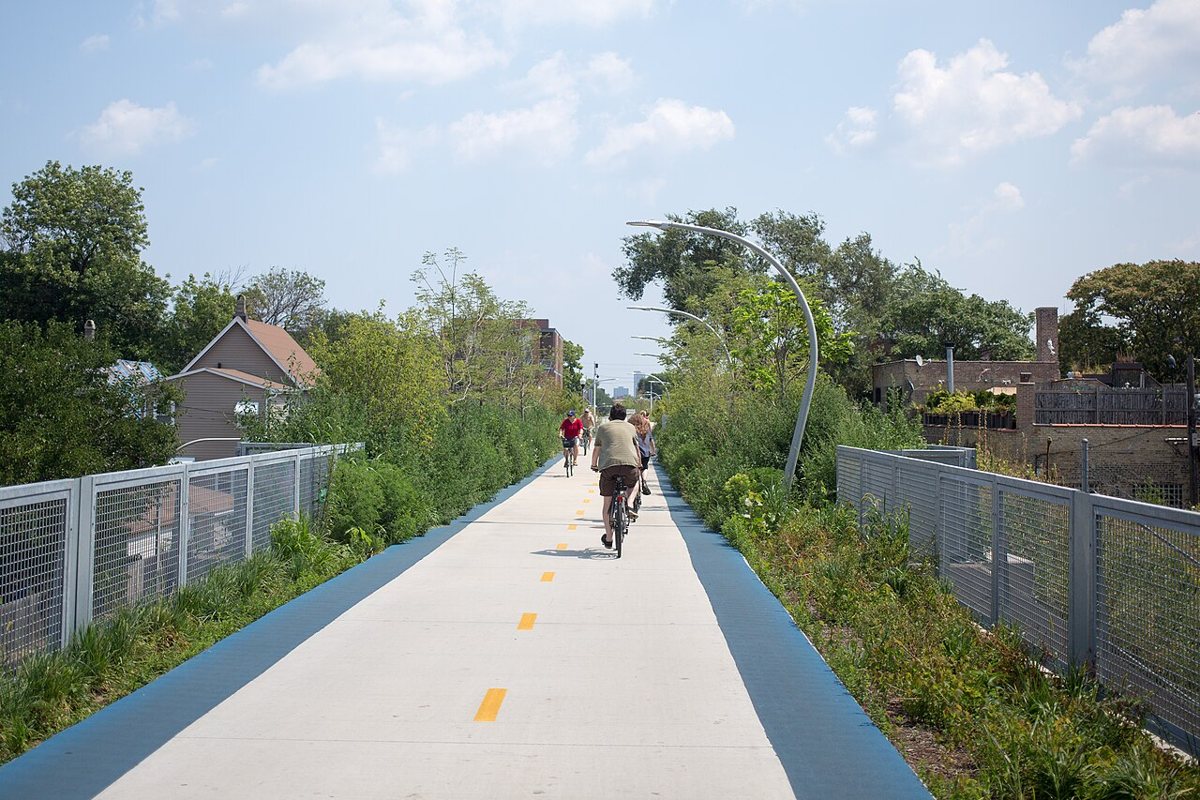
The 606, the trail built on a former rail line running through Bucktown, Wicker Park, Humboldt Park, and Logan Square, is where a lot of North Side and West Side residents actually get their spring miles in rather than driving out to the lake. It runs flat and paved, and it climbs just high enough above street level to give runners and cyclists a real view of the neighborhoods it threads through, roofline by roofline. The season is when the trailside plantings start filling back in and the access points at the parks along the route turn into informal meetup spots for whole blocks of neighbors. The tip here is to enter from one of the mid-route access ramps, like the one near Milwaukee Avenue, rather than fighting for parking at either end, and to start early on a Saturday before the trail fills with the entire neighborhood at once.

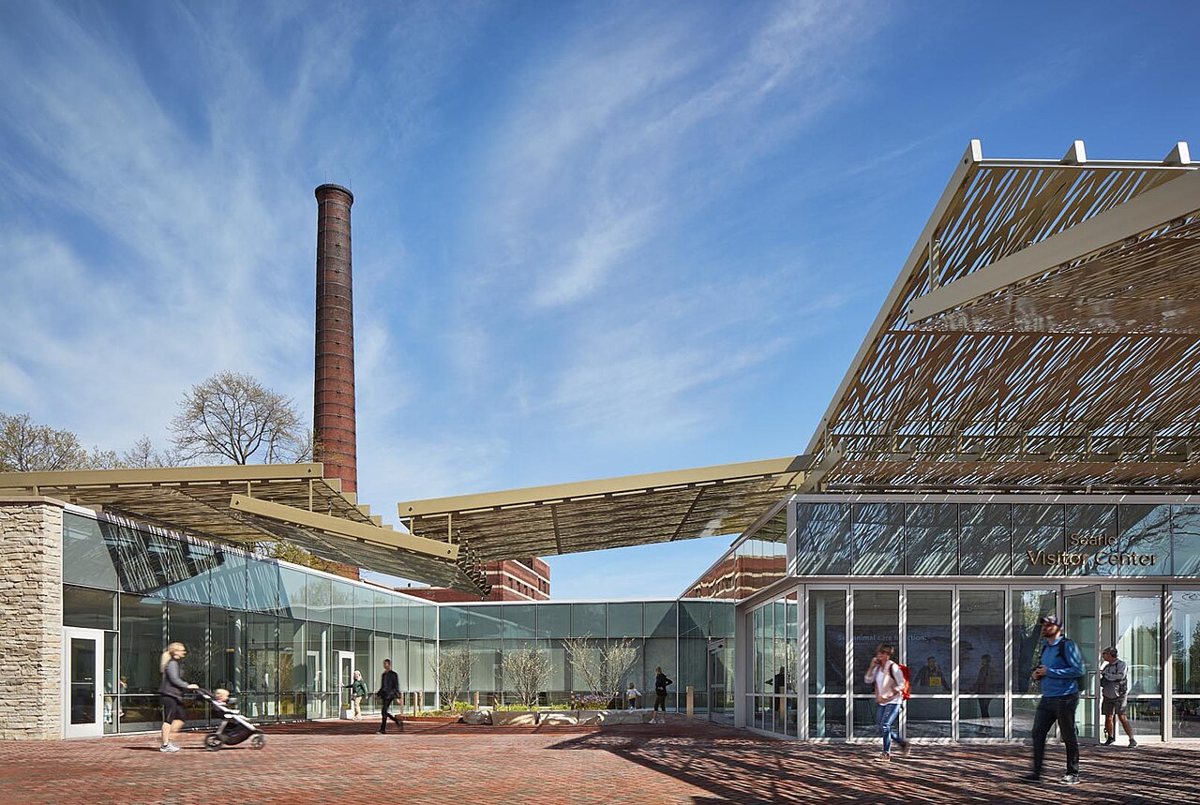
Lincoln Park, the neighborhood's namesake green space running along the lake on the North Side, does double duty as both a park system and a destination in its own right, with the Lincoln Park Zoo sitting inside it as one of the only free zoos left in the country. The season brings baby animals to the zoo, which draws families out in real numbers once the weather cooperates and the strollers come back out of storage, and the surrounding park's lagoon and nature boardwalk reward the walk on their own even if you skip the zoo entirely. Aim for a weekday if you want to actually see the animals without a crowd three deep at every enclosure, since weekends fill up fast once word gets around that the weather's holding. It's an easy bus or bike ride from Lakeview or Old Town, and the conservatory building nearby is worth a quick stop too.

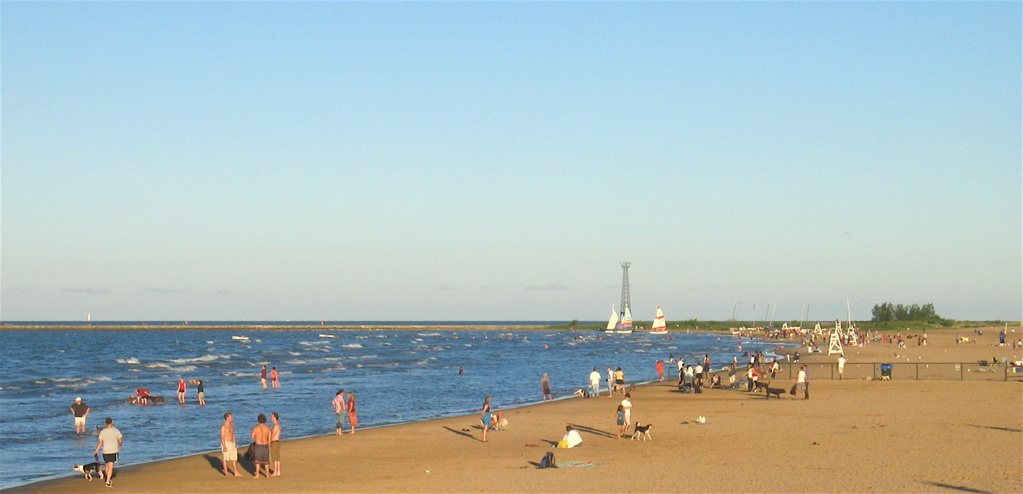
Montrose Beach, up in Uptown, skews toward people who already know what they're looking for rather than first-time visitors working off a checklist. Beyond the birding that draws serious enthusiasts every spring migration, watching for warblers and other songbirds passing through on their way north, the beach and adjoining dune area function as one of the few semi-wild patches of shoreline left in the city, and the harbor next door is quietly one of the better sunset spots on the North Side once the days start stretching toward summer. It isn't dressed up the way Navy Pier is, and that's the entire appeal of the place. Bring binoculars if you have them and arrive before nine in the morning during peak migration weeks for the best birding, before the joggers and dog walkers take over the dune paths.

Opening Day, Patios, and the Rituals That Mean Spring Has Actually Arrived
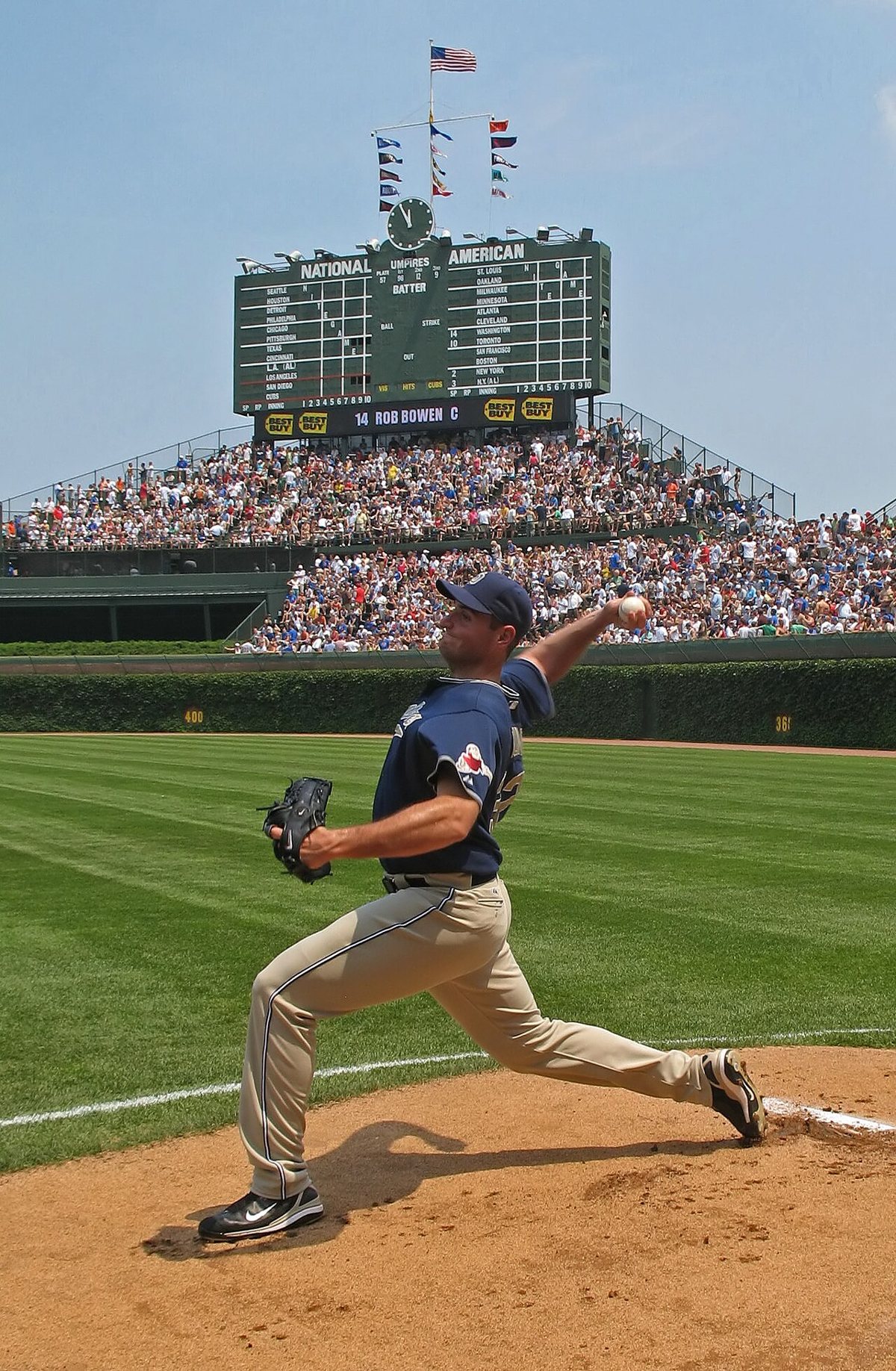
Wrigley Field, home to the Cubs since long before most of the city's current residents were born, marks the real start of the season for a huge portion of Chicago whether they follow baseball closely or not. Opening Day and the first warm-weather homestand turn Wrigleyville into a neighborhood-wide event, with the bars along Clark and Addison filling up hours before first pitch and staying loud well after the last out. You don't need a ticket to feel it: walking the perimeter on a game day, past the marquee and the rooftop clubs across the street, counts as its own kind of ritual that plenty of longtime residents still make time for. Buy tickets through official channels and check the schedule before planning around a specific date, since early-season weather here is never guaranteed and a cold snap can turn a day game into an exercise in layering.

Navy Pier reopens its full seasonal operation as the weather warms, and while plenty of longtime residents treat it as a tourist zone to be avoided on principle, the pier's Ferris wheel and the lakefront promenade around it genuinely do offer one of the better sightline combinations of skyline and open water anywhere in the city. The stained-glass Smith Museum inside the pier and the seasonal boat launches for lake tours both pick back up here in spring, and the gardens along the pier's edges start filling in with color as the weeks go on. Come at dusk rather than midday if you want the photos without the peak crowd, and treat it as a bookend to a Riverwalk walk rather than a destination worth planning an entire day around on its own.
Neighborhood patio season is its own category of spring event, and it isn't confined to downtown or the North Side. Logan Square's restaurant strip along Milwaukee Avenue, built on the neighborhood's deep Latino roots, fills its sidewalk seating fast once the temperature holds above sixty, and Andersonville's patios along Clark Street do the same for a different, older crowd of regulars who've been coming for decades. Pilsen's murals and taquerias reward a slow walking tour once you don't need a coat, particularly along 16th Street and around the National Museum of Mexican Art, where the street art alone justifies the trip. Bronzeville, the historic center of the city's Black Metropolis on the South Side, comes alive the same way once the weather turns, with its landmark boulevards and jazz history giving spring walks there a different texture entirely, quieter but no less worth the trip. No honest accounting of Chicago in any season skips the food: this is a fine time to track down a classic Chicago dog, no ketchup, or a classic Italian beef stand for a dipped sandwich with hot giardiniera, ideally eaten standing up at a counter rather than sitting down at a table. Save a proper deep dish dinner for an actual occasion rather than a weeknight; the everyday order here is tavern-style thin crust, cut into squares, at a bar with a cold beer next to it.
Getting Around, Timing It Right, and What's Actually Free
- The CTA's L and bus network reaches nearly everything on this list without a car, and it's the easier option downtown where parking runs expensive and limited; a car makes more sense only for the Botanic Garden or a Hyde Park museum trip, and even then the Metra is worth considering.
- Weekday mornings beat weekend afternoons at almost every stop here, especially Millennium Park, the Art Institute garden, and the zoo, once the weather turns reliably warm and the crowds pick up along with it.
- Chicago spring weather swings hard between weeks, sometimes between days, so layer up even on a morning that starts warm, and check the forecast the day of rather than trusting the night before's outlook.
- Lincoln Park Zoo, Garfield Park Conservatory's general admission, the Chicago Cultural Center's exhibitions, the Riverwalk, the 606, Millennium Park, and most beaches are free or close to it; ticketed spots like the Art Institute and the Museum of Science and Industry charge admission, so budget for those separately if a museum day is part of the plan.
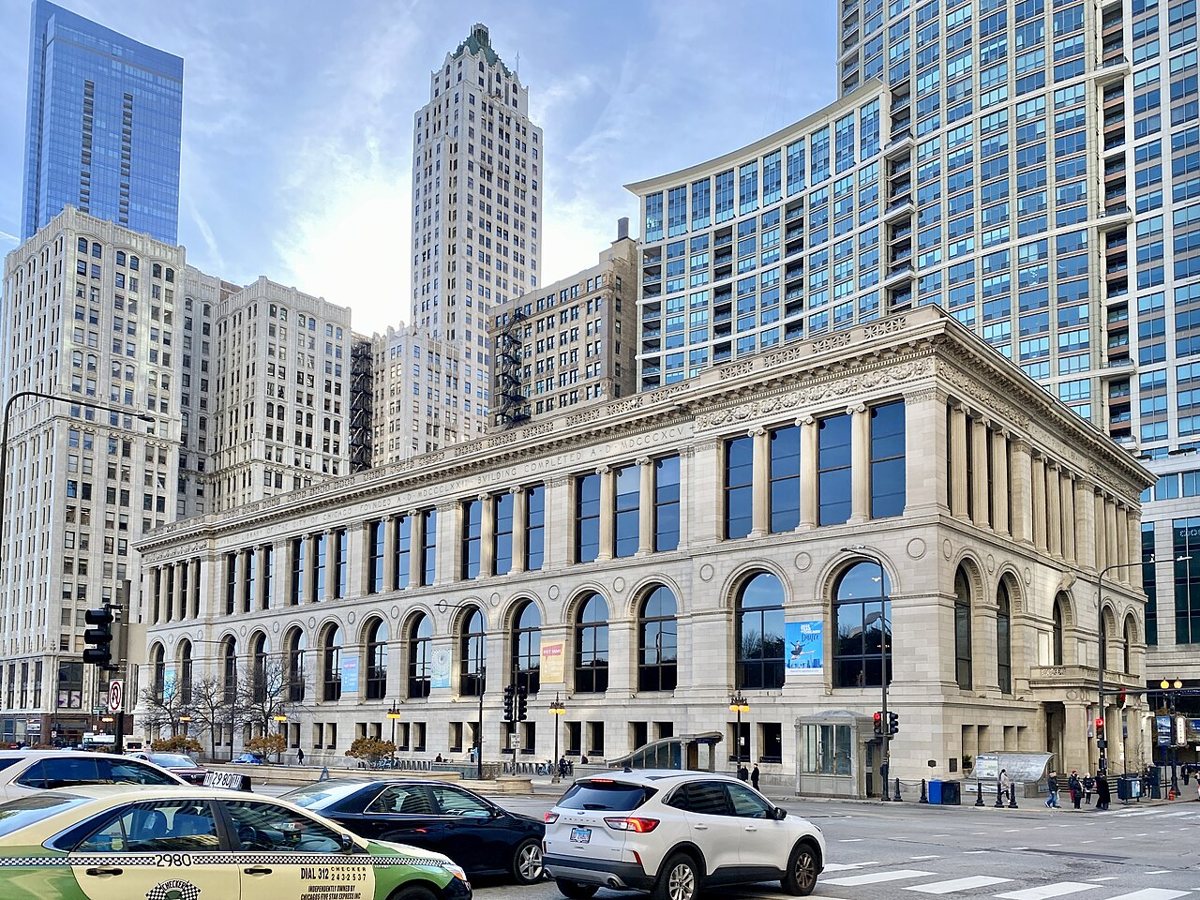
- The Chicago Cultural Center downtown, with its Tiffany glass dome, rewards a stop on any rainy spring day since its rotating exhibitions and free admission make it an easy detour between Millennium Park and the Riverwalk without adding much time to the day.

None of this adds up to a city trying to out-cute anybody else's spring. Chicago doesn't stage its parks for visitors the way some places do, and it doesn't need to, because the appeal was never about performing for an audience. The birders at Montrose show up whether or not anyone's watching them do it. The patios in Logan Square and Andersonville fill with the same regulars they filled with last April, and the ones before that. Wrigleyville turns over for Opening Day because it always has, not because a tourism board scheduled it that way. What makes the season here worth chasing isn't polish, it's the sense that the whole city is doing the same thing at once: shaking off a real winter, one that earns its complaints every year, and getting back outside because it finally can. Go see it on its own terms, and don't be surprised if the best afternoon of the trip happens somewhere that isn't on anyone else's list.