Summer Things to Do in Chicago You Shouldn't Miss
From the lakefront to Pilsen, a plainspoken guide to a Chicago summer that goes well beyond the Loop and the North Side.
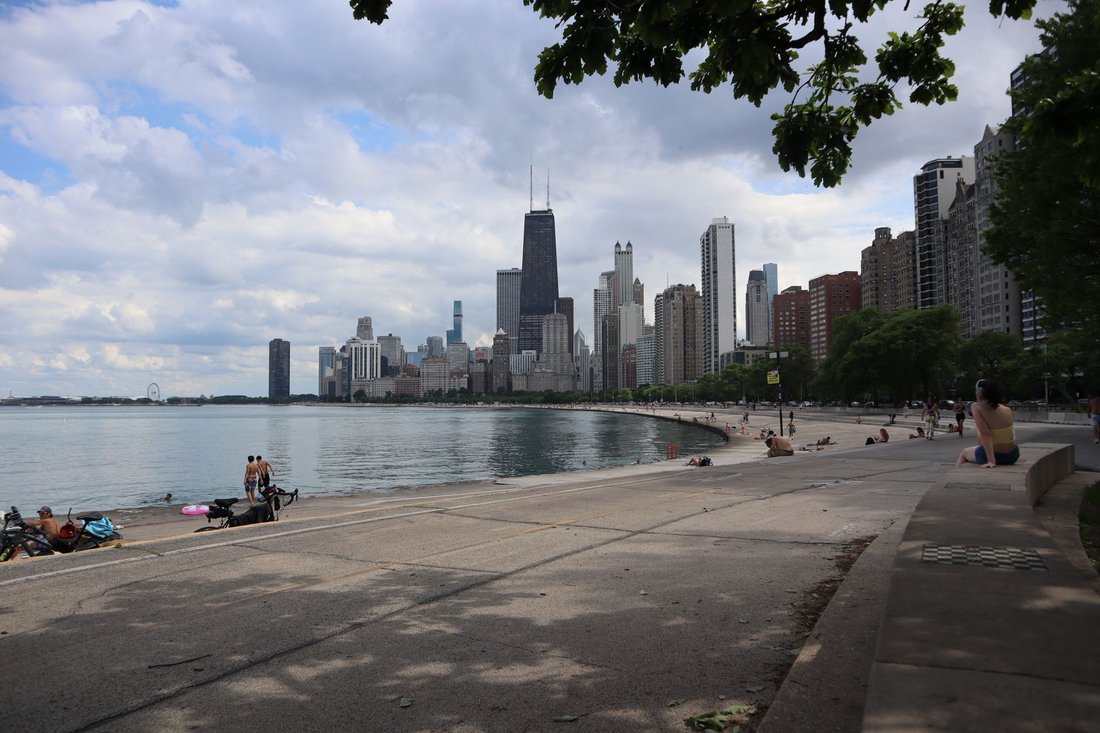
On the first really hot Saturday, the Lakefront Trail turns into a river of its own: cyclists in a hurry, kids on scooters, a man towing a cooler on a cart, a volleyball game arguing over the score. Past the sand, Lake Michigan lies flat and blue and looks exactly like an ocean, with the skyline standing behind it as if somebody staged the whole thing. That is the moment the city decides winter was a rumor. Any honest list of summer things to do in Chicago has to begin with the water, because the lake organizes the season and everything else is a detour from it.
This guide runs from the lakefront outward, through downtown, up onto the 606, across to the ballparks, and then deliberately south and west, where a large share of the best summer afternoons in the city actually happen. Chicago is a segregated city, and the glossy version of a Chicago summer tends to stop at North Avenue and the Loop. We are not going to write that version. Most of what follows is free or close to it, and nearly all of it is reachable without a car.
Summer Things to Do in Chicago Start at the Lake
North Avenue Beach
North Avenue Beach is the postcard version of the Chicago summer, and for once the postcard is accurate. The sand is wide, the volleyball nets go up early, and the curved beach house on the edge of the water looks a bit like a ship that ran aground on purpose. It sits on the near North Side along the lakefront, at the foot of North Avenue, and the whole scene is free to walk into. Come for the people-watching as much as the swimming: there are chess players near the water, serious volleyball leagues, and families who set up camp before the sun is properly up.
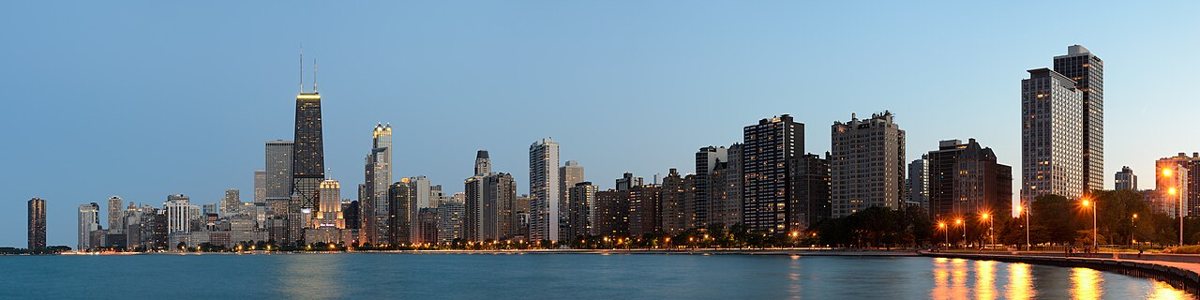

The practical advice is to arrive early on a weekend and to treat the lake like the ocean it resembles. Water temperatures stay cold well into summer, and the current can shove you sideways faster than you expect, so swim where lifeguards are posted and check the posted flags and the city's beach advisories before you wade in. Evenings are the best-kept secret here, when the light goes amber over the city and the crowd thins to couples and joggers. If the main beach is packed, walk a few minutes in either direction along the sand and the density drops quickly.
The Lakefront Trail
The Lakefront Trail is the spine that connects nearly everything in this guide, running for miles along the water with the city on one side and the lake on the other. It is free, it is flat, and it is shared by walkers, runners and bikes in numbers that can feel like a rush-hour highway at peak times. Stay in your lane, keep an ear out for bells, and consider a bike from one of the city's shared bike stations if you want to cover ground. A ride from the north end toward downtown is one of the great low-cost afternoons in the city, and the trail keeps going south past the museums into neighborhoods that most visitors never see.
The South Lakefront
The lake does not stop at the Loop, and the South Side shoreline is some of the best in the city. Promontory Point in Hyde Park is a limestone-ringed peninsula where locals spread blankets for a cookout and look back at the skyline from a completely different angle. Farther down, beaches such as 63rd Street Beach and Rainbow Beach give you the same water with a fraction of the North Side crowd and a very different, very neighborhood feel. Plan the trip as a day by itself rather than a quick detour, and pair it with a long lunch nearby. Honest coverage of the Chicago summer has to include this stretch of shoreline, since the lake belongs to everybody who lives beside it.
Downtown, Where the Crowds Earn Their Keep
Millennium Park and Cloud Gate
Cloud Gate, known to everyone as the Bean, is a mirrored steel sculpture in Millennium Park, and its pull on a summer afternoon is almost physical. People drift toward it, hold up phones, then wander under the polished arch where the reflection folds the skyline into something dreamlike. It is free and always open to the public, and the people crowding around it are half the attraction. Look closely and you will see tourists, office workers on a lunch break, and kids who have discovered that their own faces look ridiculous when they press up against the steel.

The park around the Bean rewards a slow lap. Crown Fountain, with its two glass towers that project faces and spit water from their mouths, is the closest thing the city has to a communal splash pad, and children run through it in a state of pure joy while adults pretend not to want to join them. The Pritzker Pavilion hosts free concerts across the summer, usually running through the warm months, so check the current schedule before you plan around a specific night. Bring a blanket for the Great Lawn, pick up a picnic dinner, and settle in when the music starts. Early mornings at the Bean, before the tour groups arrive, are the only time you will get a clean photograph.
The Chicago Riverwalk
The Chicago Riverwalk is the city quietly showing off. A string of walkways and small plazas steps down along the main branch of the Chicago River, dropping you below street level and putting you eye to eye with the architecture that made the city famous. It is free to walk, and it makes a fine way to cross downtown without touching a sidewalk. Kayak and boat operators launch from the area, and the cafes and bars along the water do a steady summer business. You can drift from the lakefront west toward the river's forks with the buildings rising straight up from the water on both sides.
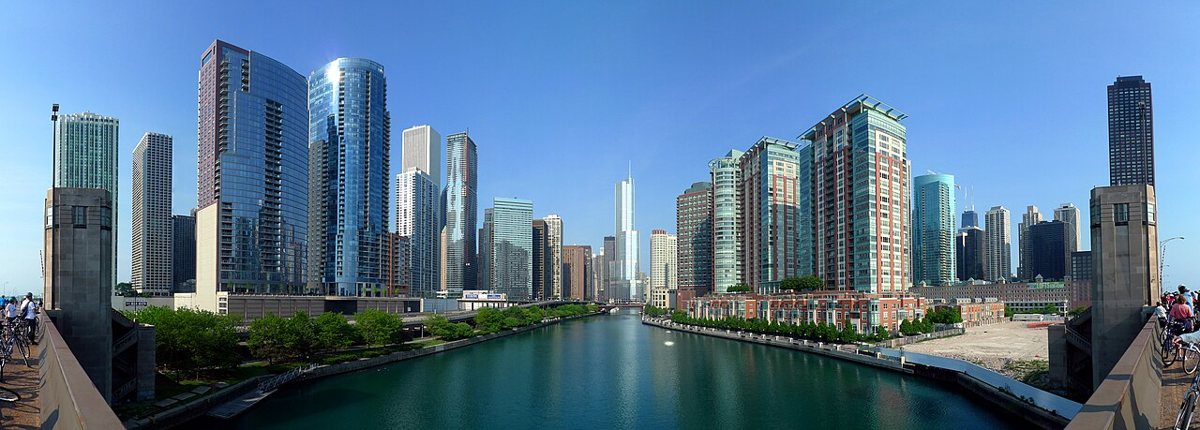

The architecture boat tours that leave from the river are a Chicago institution for good reason, and a guided ride through the canyon of buildings is the clearest lesson in the city's skyline you can get in an hour. Book ahead on weekends and look for an operator that offers a docent-led tour, since the stories about who built what and why are the entire point. If you prefer to stay on foot, walk the Riverwalk in the early evening when the heat breaks and the bridges are lit. It is one of the few downtown spaces where the crowd feels more local than tourist after dark.
Grant Park and Buckingham Fountain
Grant Park is the front lawn of the city, and Buckingham Fountain is its centerpiece, a huge ornate pink marble fountain that sits between the skyline and the lake. It runs through the warm months, with the water show and the evening light display attracting people who simply want to sit on the rim and watch. The surrounding lawns host an endless run of summer events, with concerts and charity runs among them, and it is free to wander through at any time. A fountain this size works best when you stop treating it as a photo stop and give it twenty minutes.
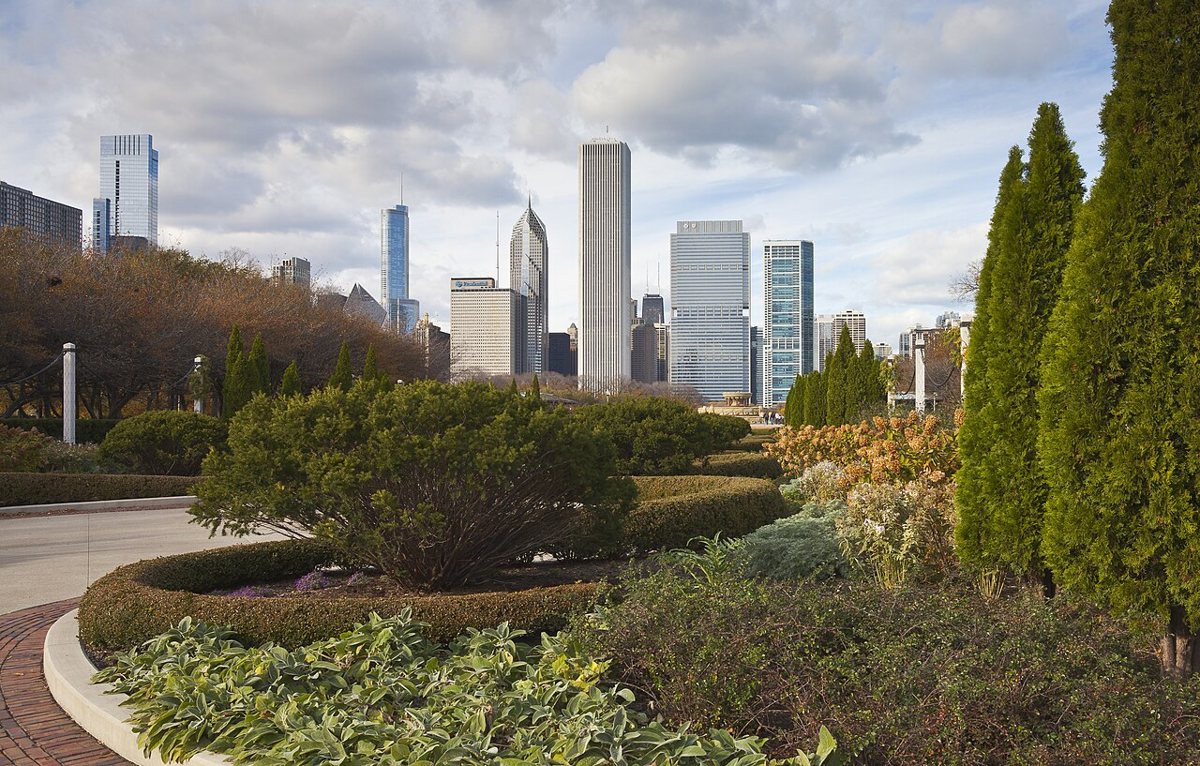

Grant Park also marks the unofficial start of the South Loop, which means the museums, the lakefront, and some excellent walking are all within reach of the same lawn. The big festivals that take over the park are an evergreen summer tradition, with the biggest music events usually landing in July and August, though you should check the current calendar before making any plans.
Maggie Daley Park
Maggie Daley Park, just northeast of Millennium Park, is the one place downtown that parents quietly rank above almost everything else. It is a playground designed with real imagination, with climbing structures, slides, a rock wall, and a ribbon of ice that turns into a skating path in winter and a roller path in summer. The whole thing is built on a landscape of rolling hills and sculpted ridges that make it feel like a nature preserve dropped into the middle of the city. Entry is free to the park itself, though specific activities may carry a fee, so check current offerings.
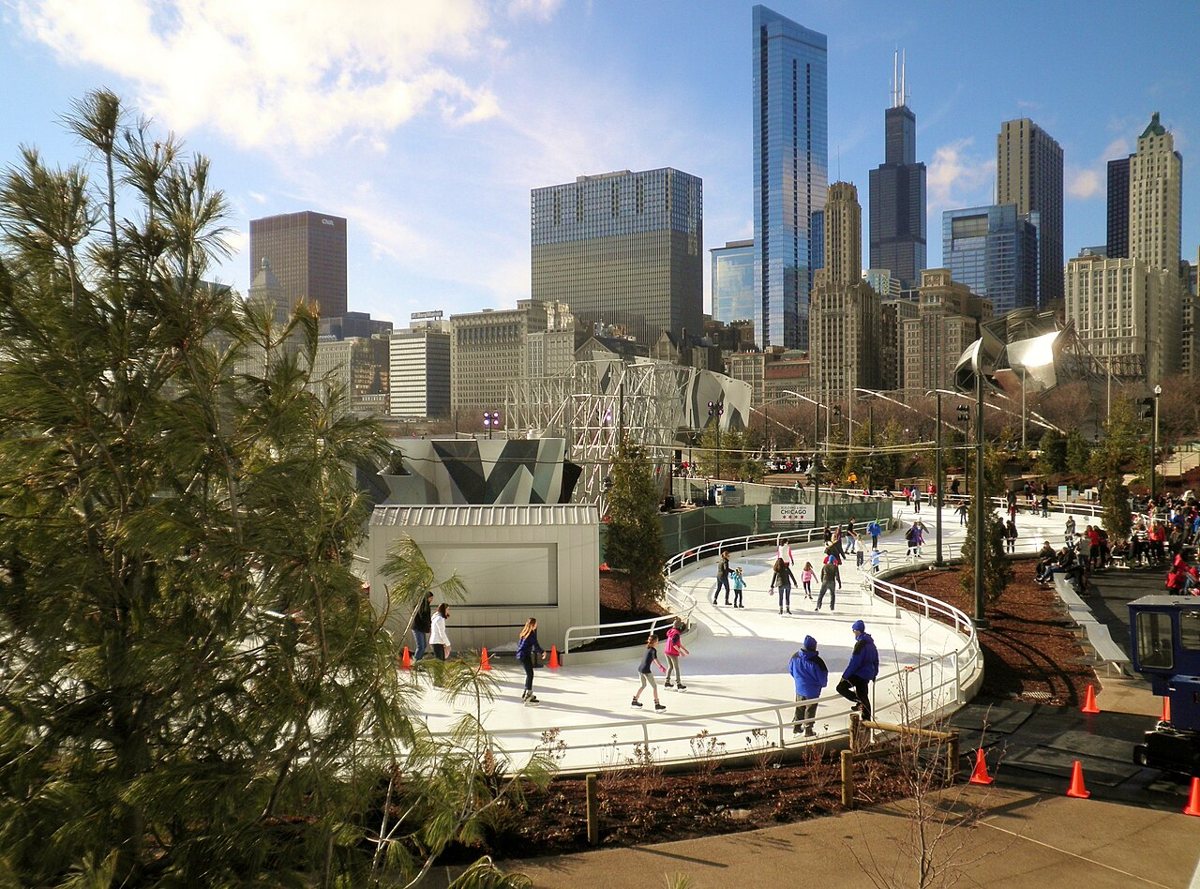

Adults without children get something from it too, since the paths loop around the water and give good skyline views. Visit on a weekday morning if you can, because school-break weekends fill up fast and the playground structures become a controlled stampede by noon.
Navy Pier
Navy Pier is the argument locals have with themselves. It is crowded, it is touristy, and yet nearly every Chicagoan ends up there eventually, because a long pier stretching a half mile into the lake is hard to resist on a hot night. Walking the pier is free, and the end of it gives you a view of the skyline that is just about the best in the city. The Ferris wheel is the signature ride and the lakefront restaurants fill every seat on a weekend.
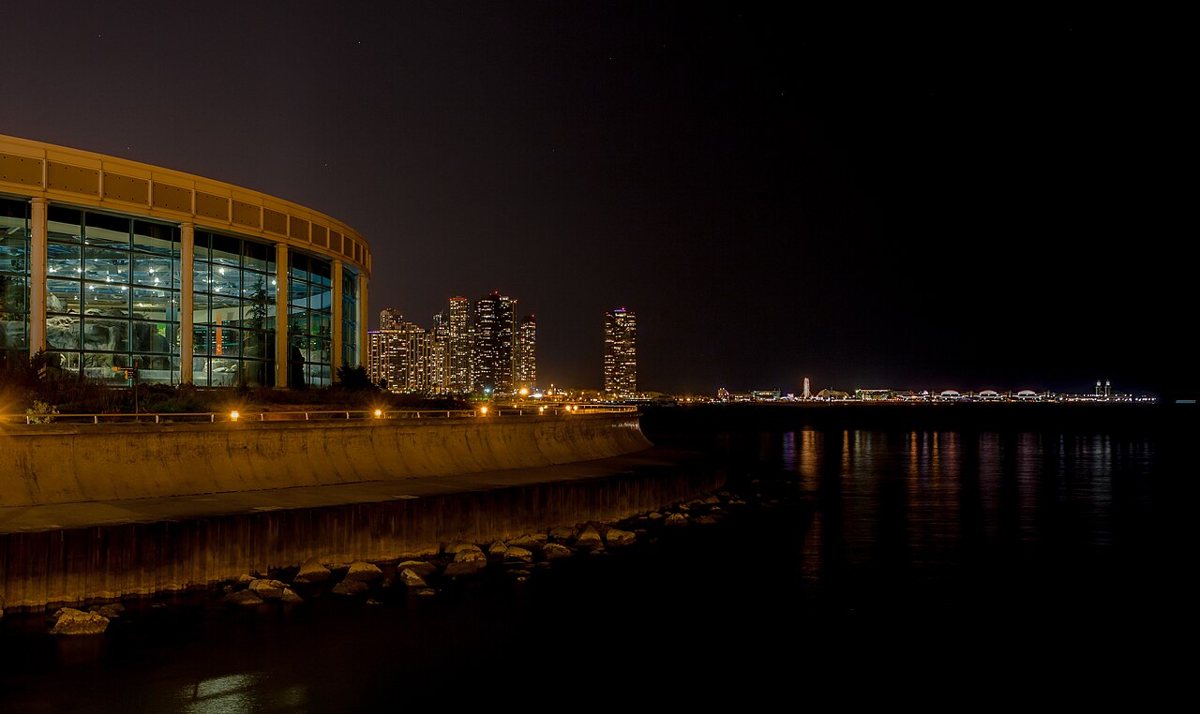

The insider move is to go in the evening and walk to the far end for the breeze, which usually runs several degrees cooler than the city. Summer fireworks have a long tradition here, so check the current schedule and expect crowds if a show is on.
The Art Institute of Chicago
A hot, sticky afternoon is exactly when the Art Institute of Chicago earns its place on a summer list. It is a world-class museum with an air-conditioned calm that feels like stepping into a different city, and the collection is deep enough to fill a full day. The Impressionist galleries and the American collection are the big draws, and many visitors make a beeline for the famous paintings of Paris and Chicago and then wander off into the Asian art and the architecture galleries.
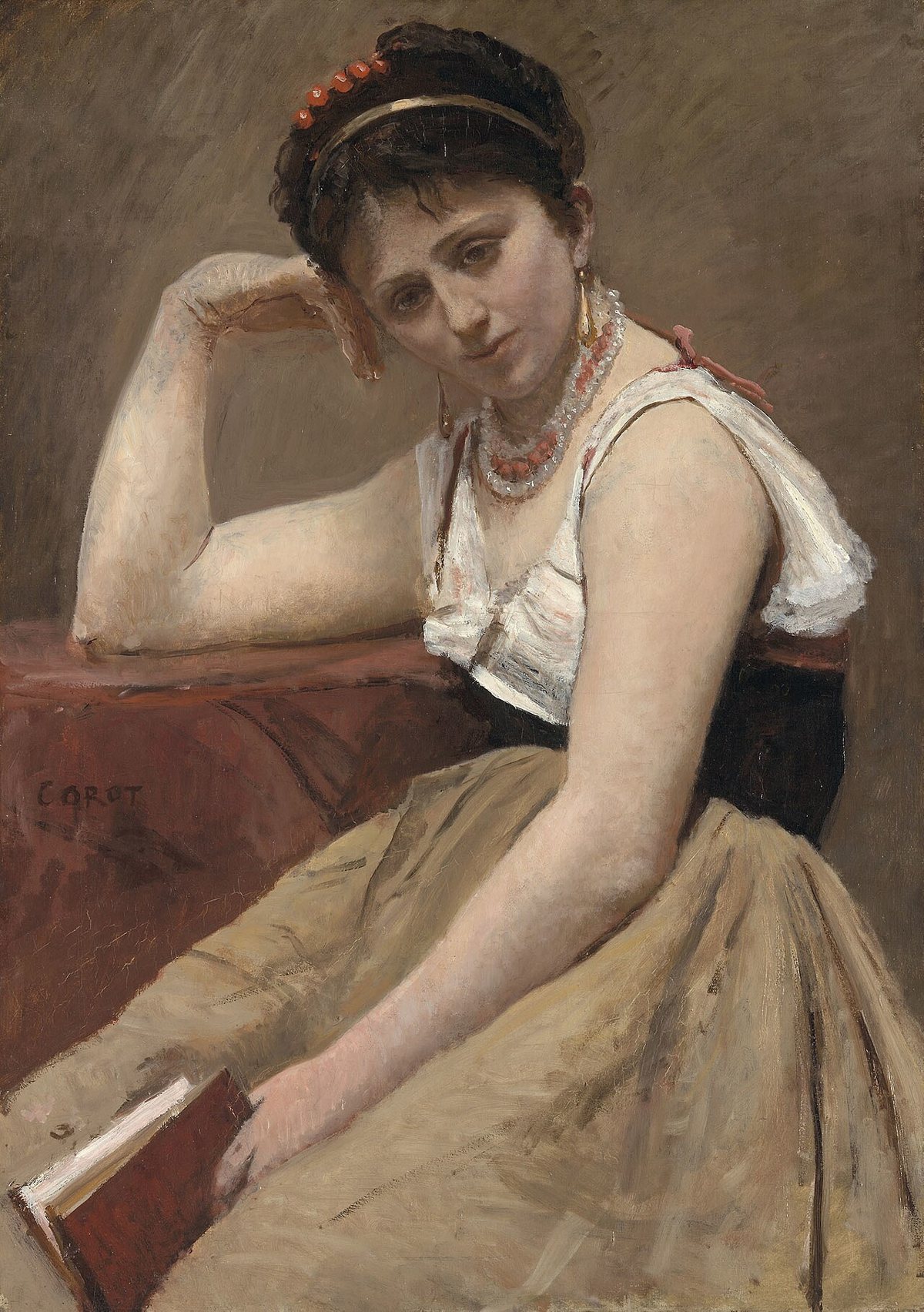

Admission is not free for most visitors, though the museum has historically offered free access for Illinois residents at certain times and for specific groups, so check the current policy and the website before you go. Buy tickets ahead if you can, and plan on choosing a few galleries rather than trying to see everything.
Up Over the Neighborhoods
The 606
The 606, also known as the Bloomingdale Trail, is a raised path built on an old freight rail line that cuts across the northwest side of the city. It is free, it is flat, and it is one of the best ways to see what a working Chicago neighborhood looks like at roof level. The trail runs through Wicker Park, Bucktown, Logan Square and Humboldt Park, so you can see a range of architecture, murals, graffiti and backyard gardens from above street level. On weekends it fills with joggers, strollers and cyclists in about equal numbers.
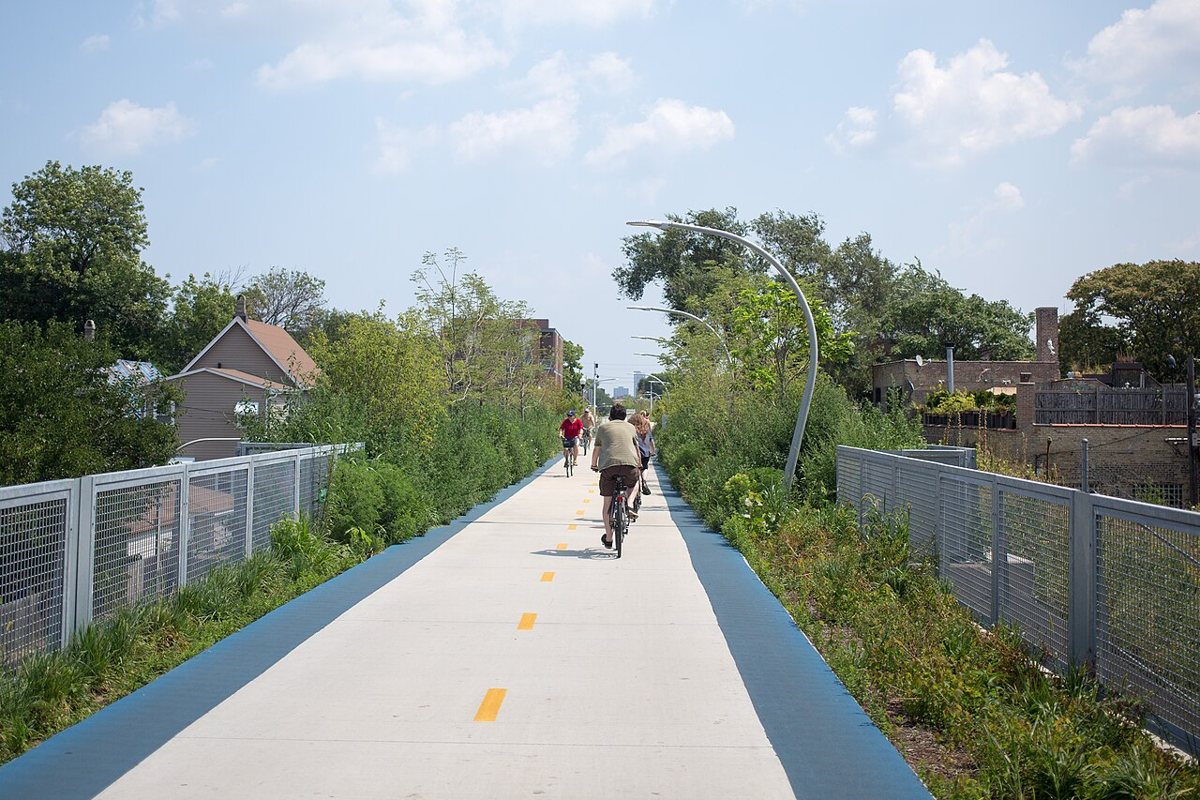

Treat it as an excuse to wander. Climb on at one end, walk until something looks interesting, drop off at a ramp, and eat in whichever neighborhood you landed in. If you are renting a bike, the 606 is gentler than the lakefront and far less crowded on a weekday morning.
Street Festivals and Neighborhood Fests
A Chicago summer is mostly an unbroken string of street festivals. A block gets closed to traffic, a stage goes up at one end, a beer tent goes up at the other, and for a weekend the neighborhood belongs to whoever shows up. These are a long-standing evergreen tradition, and they run the full range from music festivals to ethnic and cultural celebrations tied to specific communities. Expect food stands, cover bands, local politicians working the crowd, and an easy mood where nobody checks a watch.
Dates change every year and I am not going to guess at them, so check the city's events calendar and the local neighborhood chambers of commerce before you plan around one. The festivals tend to cluster across June, July and August, with the biggest music and cultural events usually landing in July. Go to one in a neighborhood you do not normally visit. The best ones are the small ones, where the line for the tamale stand is longer than the line for the beer and the band is somebody's cousin.
Wrigley Field
Wrigley Field is the other great shrine of a Chicago summer. Walk up Clark Street on a game day and the ivy, the old scoreboard and the brick walls give you a sense of how the sport looked a century ago. The Cubs have played here for generations, and the neighborhood around the park has turned into a game-day carnival. Go for the atmosphere even if you do not care who wins, because a day game in the bleachers with a cold drink and a bad hot dog is a Chicago rite of passage.
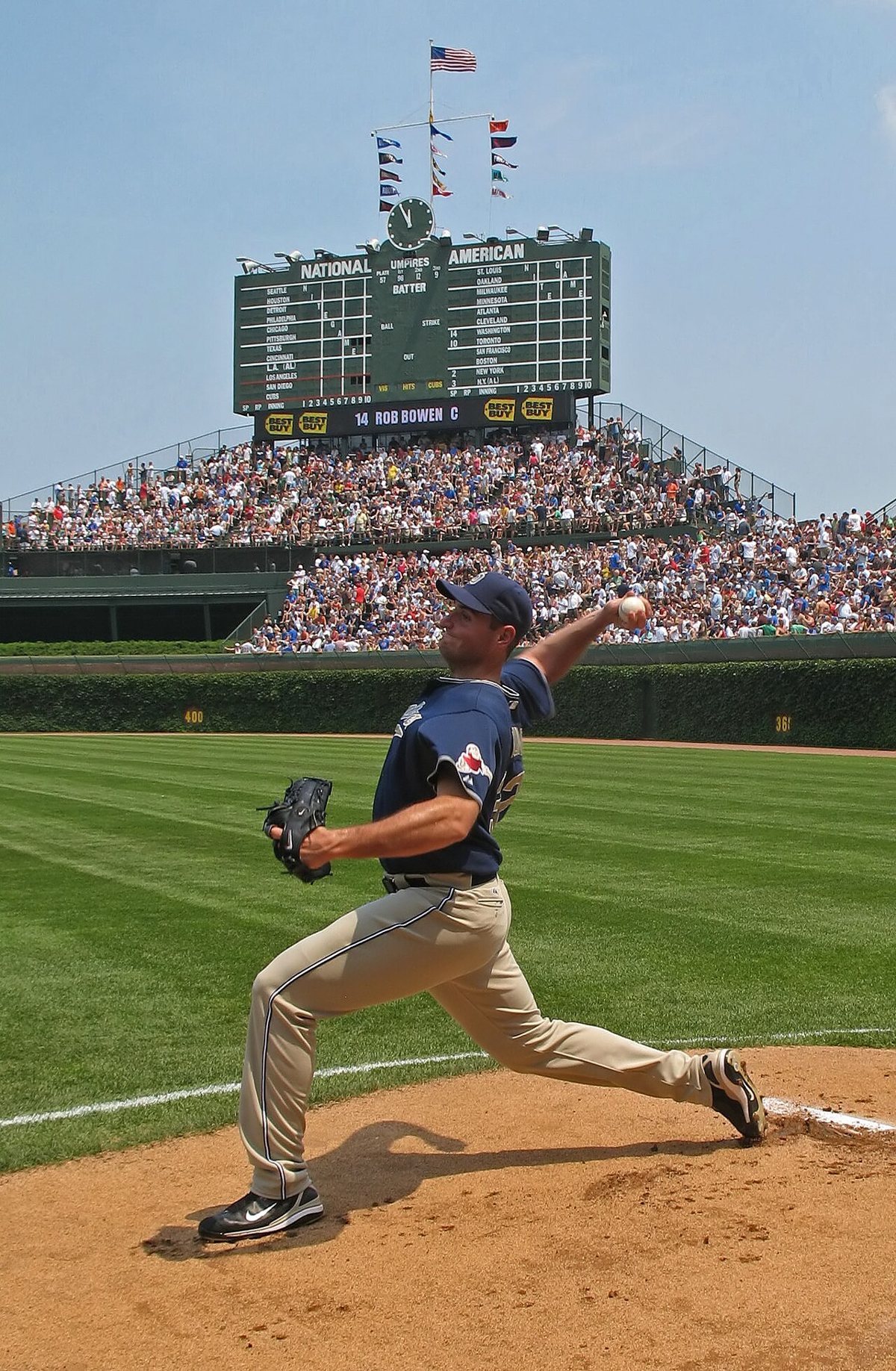

Tickets are not free, and prices swing wildly depending on the opponent and the day, so check the schedule and buy from official sources. The rooftops across the street are a whole sub-industry. Take the Red Line to Addison, and expect the train to be packed on game days.
South and West Sides: Where the Summer Spreads Out
Rate Field and the South Side
The White Sox play on the South Side at the ballpark many people still call Guaranteed Rate Field, and before that Comiskey Park, and now officially Rate Field. The South Side has its own baseball culture, and it is a very different experience from the Cubs. The crowds are smaller, the tone is more neighborhood than carnival, and the tickets tend to be easier to get. It is on the Red Line, which makes it easy to reach from downtown, and the ballpark has a loyal following that takes its team seriously.
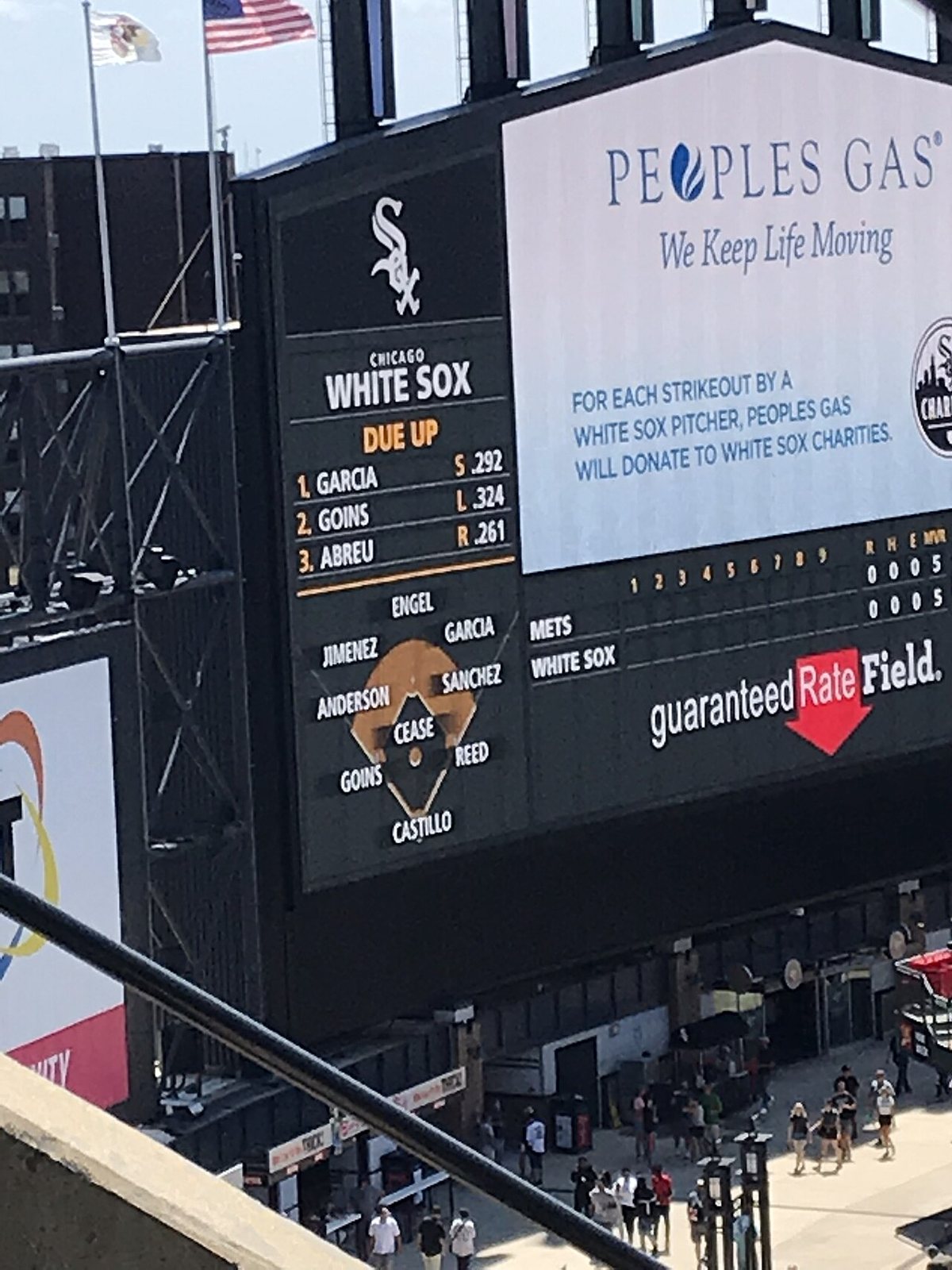

Go to a night game in the middle of summer and stay for the fireworks nights that the team has historically scheduled, checking the current promotions before you commit. The surrounding area has its own food, including barbecue joints and taquerias, and a trip to the park pairs well with a wider South Side day that might include Bronzeville or Hyde Park. This is a side of the city that visitors rarely see, and it is better for the detour.
Pilsen and Its Murals
Pilsen, on the Lower West Side, is a neighborhood where the walls tell the story. The area is known for a dense collection of murals, many tied to the community's Mexican American heritage, and walking the side streets is a free outdoor gallery that rewards a slow pace. The neighborhood is also full of bakeries, taquerias and small galleries, and the summer light makes the colors on the walls jump. Be respectful, since this is a place where people live and work, and ask before photographing anyone.


Start on 18th Street, which is the main commercial strip, then wander the residential side streets to find work that is not on any map. Many of the murals were painted by local artists and some are decades old, while others are new and change from year to year. Plan to go on foot and stop for pan dulce when you get hungry.
Garfield Park Conservatory
The Garfield Park Conservatory on the West Side is one of the largest greenhouses in the country, and it is a thoroughly lovely place to spend a hot afternoon. It is a Victorian-style glass house filled with palms, ferns and desert plants, and the warm humid air inside makes the summer outside feel almost mild. Admission has historically been free or by suggested donation, but check the current policy before you go. The surrounding park has lagoons, a field house and plenty of green space, and it gives you a chance to see a part of the city that gets very little attention in most guides.
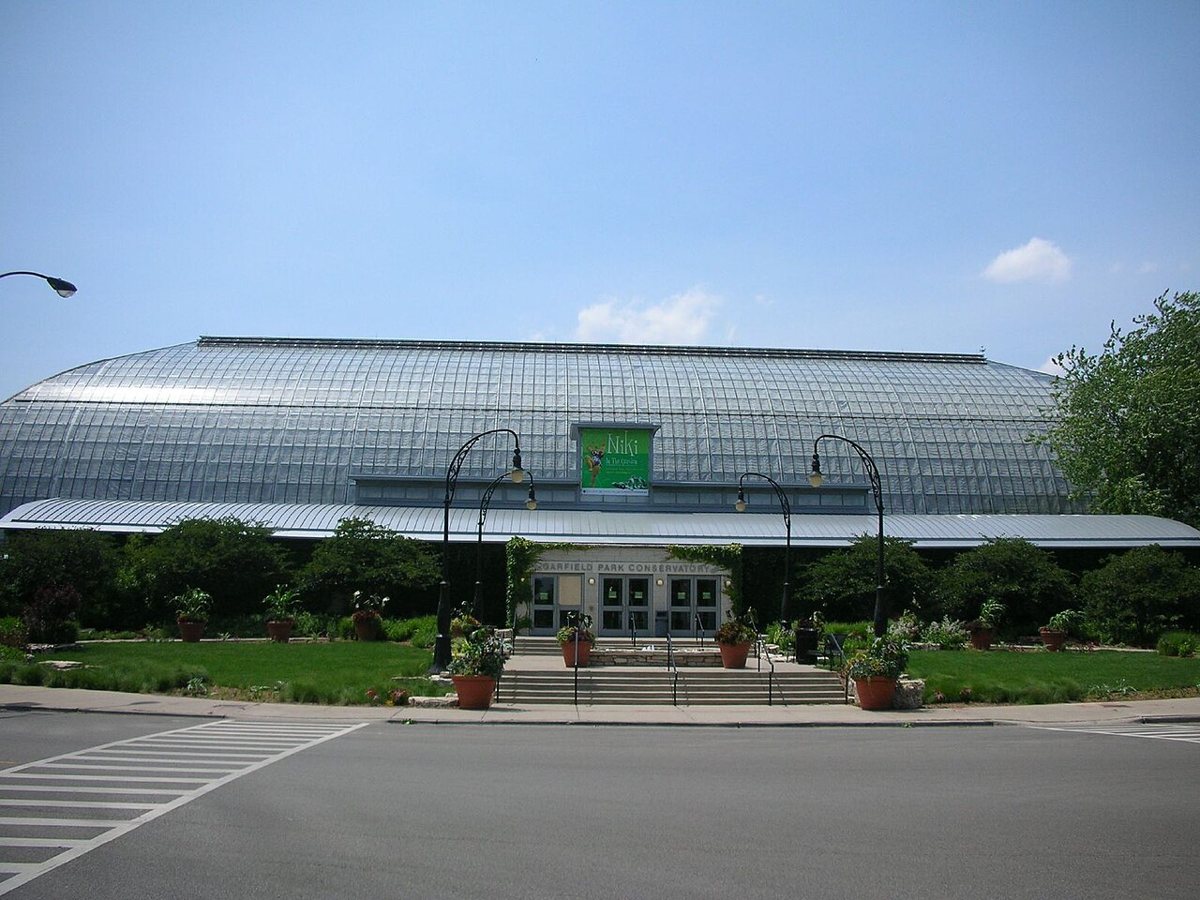

The West Side has been underserved for generations, and a visit here is a small way to put some attention where it belongs. The Green Line stops nearby, and the ride out is part of the pleasure. Linger in the fern room, which feels like a prehistoric swamp.
Hyde Park and the Museum of Science and Industry
Hyde Park, on the South Side, packs a lot into a small area. The Museum of Science and Industry sits in Jackson Park and is a favorite for families, with enormous exhibits that stretch across a historic building left over from the 1893 World's Fair. Jackson Park itself has lagoons, a Japanese garden and lakefront access, so the area rewards a full day. Check the museum's current admission details before you go.
Eating Through the Season
Summer is when Chicago street food gets going. The classic is the Chicago dog: an all-beef frank on a poppy seed bun, loaded with mustard, relish, onion, tomato, a pickle spear, sport peppers and celery salt. Ketchup is not invited, and a vendor will tell you so. The other essential is an Italian beef, thin-sliced roast beef piled on a roll and dipped in the juices, ordered hot or sweet and eaten leaning over the wrapper. For pizza, the everyday version here is tavern-style thin crust cut into squares, and it is what most locals actually eat on a weeknight. Deep dish is a special-occasion meal, a fork-and-knife commitment rather than a daily habit, and treating it as the whole story misses the point.
Beyond that, let the neighborhoods lead. Pilsen has the taquerias, Chinatown has dim sum and a riverfront park, and the West Side and South Side have barbecue and soul food that deserve their own trip. Look for a proper Chicago dog at one of the stands that have been around for decades, and eat it standing up. Summer is also the season for rooftop bars and patio dining, which fill quickly on warm evenings, so go early or book ahead.
Getting Around and What Costs Nothing
The L is the way to do a Chicago summer, and most of this list sits within a short walk of a station. The Red Line runs north to south and reaches Wrigley Field, downtown and the South Side ballpark. The Green Line gets you to the West Side and the conservatory. The Blue Line takes you toward the 606 and the neighborhoods to the northwest. Buses fill in the gaps, and the shared bikes are a good way to cover short distances. Driving downtown on a summer weekend is a poor idea, since parking is expensive and the traffic is slow.
Timing matters more than most people expect. Weekends in July and August are the peak, with the lakefront at its most crowded and the beaches packed by midday. Go early on weekends or visit midweek if you can. Mornings are cooler and quieter, and evenings are the best light. Heat waves can arrive suddenly, so carry water, wear sunscreen, and know where the nearest air-conditioned museum is.
A surprising amount of this guide costs nothing. The lakefront and its beaches, the Lakefront Trail, Millennium Park, the Riverwalk, Grant Park and Buckingham Fountain, Maggie Daley Park, the 606, Navy Pier's walkways, the Pilsen murals and most neighborhood street festivals are free to enter or free to walk. The Pritzker Pavilion concerts are usually free as well. Tickets are required for the ballparks and for the Art Institute, and the conservatory has historically been free or low cost. Always check current details before you go.
Our Take
The best way to spend a Chicago summer is to resist the urge to treat it as a checklist. The famous spots are worth seeing, and the Bean and the Riverwalk really do earn their crowds, but the season lives in the in-between hours: a Sunday on the 606, a night game at a ballpark that is not on the postcards, a long walk past a mural in Pilsen, a hot afternoon in the fern room on the West Side. The city is far bigger than its tourist map, and the people who know it best tend to spend their summers well outside the Loop.
Pick one lakefront day, one neighborhood day and one day that takes you to a part of the city you do not usually visit. Take the L, bring water, and stay out until the light is gone. The summer is short, the winter is long, and everyone here knows it, which is why the city goes outside the instant it can.