Best Museums in Chicago for 2026
Twelve institutions, from the Museum Campus to Pilsen and Hyde Park, that actually earn a spot on a Chicago itinerary in 2026.
By 9:40 on a cold Sunday, the line outside the Field Museum already wraps past the sundial and down toward the lake, strollers double-parked against the limestone, a kid in a Bears jacket practicing his dinosaur roar for whoever will listen. This is the real test of a great museum city: not how many trophies are on the wall, but whether people still show up in the wind off Lake Michigan before the doors even open. Chicago passes that test more than once. Any honest list of the best museums in chicago has to start here, at the string of institutions along the lakefront, then follow the L out into the neighborhoods where the city actually keeps its history. That list runs longer than most visitors expect, and it runs wider than downtown. Some of the strongest collections in the city sit far from Michigan Avenue, reachable by the Green Line or the Pink Line rather than a cab from a Loop hotel, and skipping them means skipping half of what makes this city's museum scene worth the trip in the first place.
Downtown and the Museum Campus: Where the Best Museums in Chicago Cluster Together
Four of the best museums in chicago sit within a fifteen minute walk of each other along the lakefront, with one more just off Michigan Avenue. Nearly every first-time visitor starts here, and the cluster earns that position honestly rather than by default.
Art Institute of Chicago
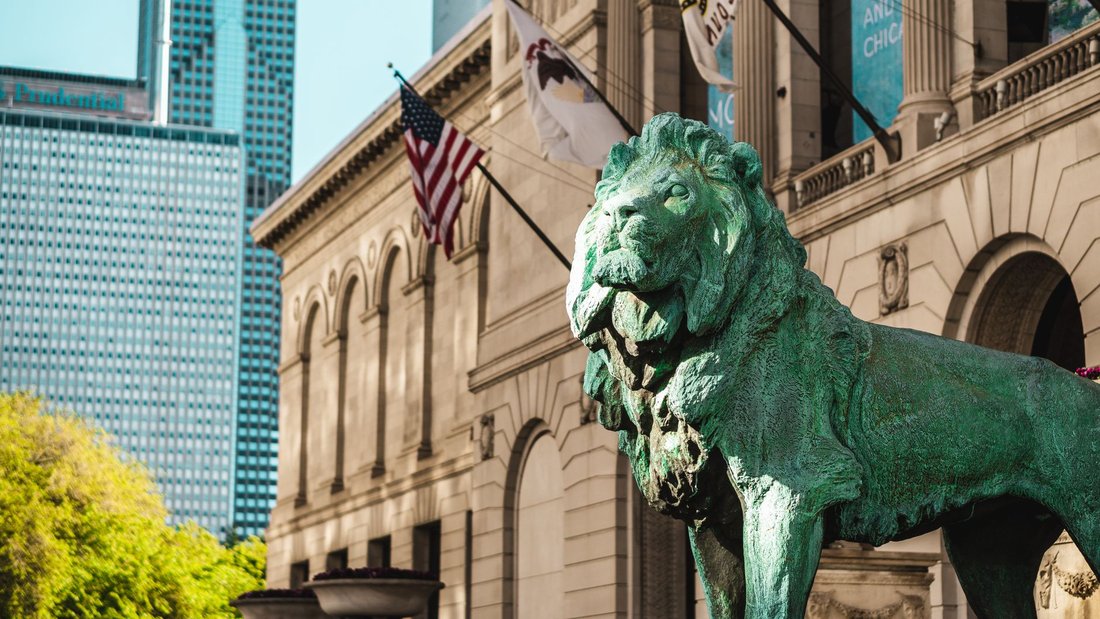
The Art Institute of Chicago sits at the front door of Grant Park, guarded by two bronze lions that get scarves in Bears colors every playoff run whether the museum plans it or not. Inside, the collection runs deep enough to disorient a first-time visitor, from Seurat's pointillist park scene through the Cassatt galleries and the Chagall windows to an entire wing of modern and contemporary work that holds its own against any museum on either coast. Give yourself at least half a day. Resist the urge to see everything and instead pick three galleries and actually look at what's in them. The move locals make is timing a visit for a weekday morning, before the tour groups arrive from Michigan Avenue, and ending in the Modern Wing's glass-walled Bluhm Family Terrace, which looks straight out over the train tracks and the park. It sits in the Loop, an easy walk from Millennium Park and the lake.

Field Museum
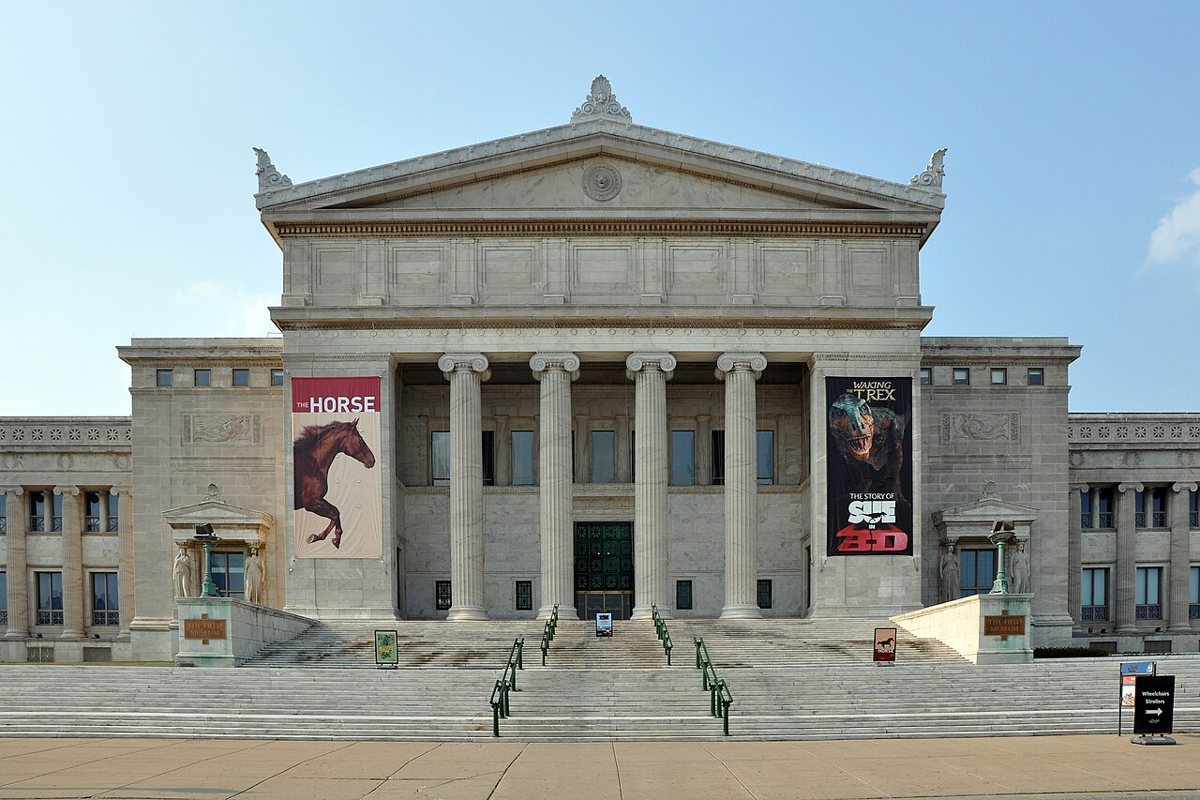
A few blocks south on the Museum Campus, the Field Museum still centers itself, correctly, on Sue, the largest and most complete Tyrannosaurus rex skeleton ever found, posed mid-stride in the museum's Griffin Halls. The building holds a century and a half of collecting beyond one famous dinosaur, though: Ancient Egypt galleries with real mummies sit alongside a hall of taxidermied animals frozen in dioramas that generations of Chicago kids have pressed their faces against. Rotating exhibitions pull from anthropology and natural history in equal measure. Budget a full day if children are along, longer if anyone in the group actually reads the wall text. Locals pass along one tip: the museum sits close enough to the Shedd and the Adler that a single Museum Campus day, walked rather than driven, covers three institutions without ever touching a parking garage. It's on the Museum Campus, just south of the Loop, with the lake on one side and Soldier Field on the other.

Shedd Aquarium
The Shedd Aquarium takes the lake-as-ocean logic of this city and runs with it, holding beluga whales and Pacific white-sided dolphins alongside a coral reef tank, inside a Beaux-Arts building that predates the idea of a modern aquarium by decades. The Caribbean Reef tank in the main rotunda is the heart of the place, ringed by benches where people sit for longer than they planned. Head for the sharks and stay for the smaller stuff, since the amphibian galleries and the Amazon exhibit reward patience more than any single showpiece tank does. Arrive near opening if crowds bother you, because school groups arrive in waves by midmorning most of the year. The building itself, perched right on the water with the skyline behind it, might be the single best photo opportunity on the Museum Campus, better even than the postcard views from the planetarium next door.

Adler Planetarium
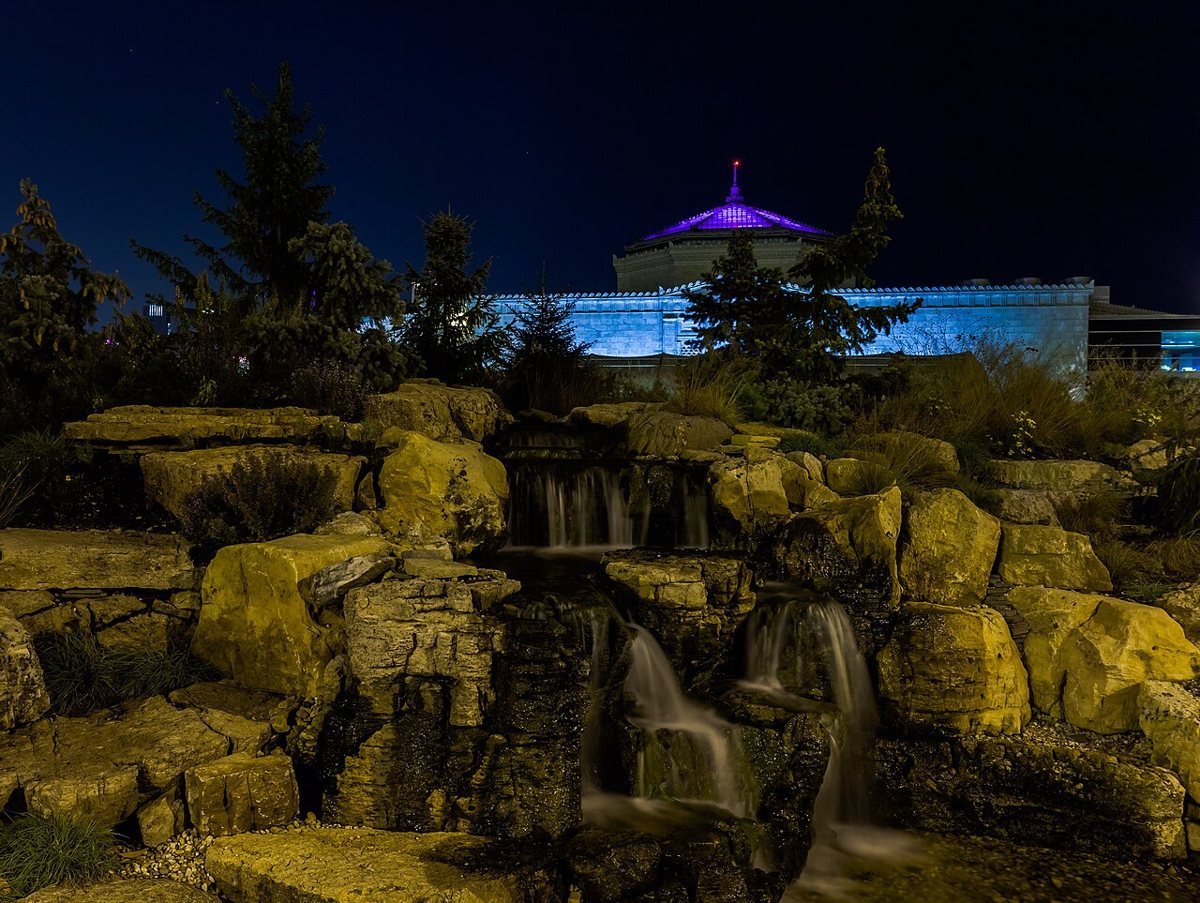
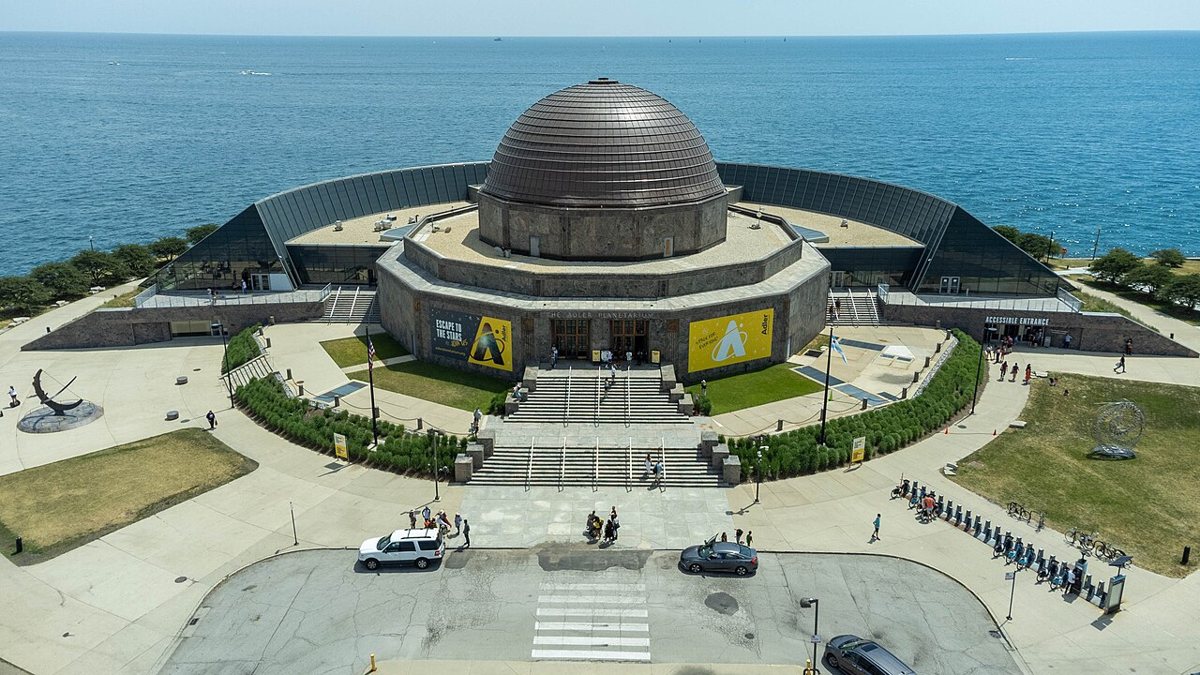
At the tip of the Museum Campus, jutting further into the lake than its neighbors, the Adler Planetarium is the oldest planetarium in the Western Hemisphere and still the best place in the city to think about scale. The sky shows in its domed theaters remain the draw, but the historic astronomy instrument collection and the telescope exhibits give the place real depth beyond the light show. The most dramatic skyline view in the city sits right here, full stop, from the point just outside the building looking back at the Loop across the water. Locals bring out-of-town guests here at dusk for exactly that reason, timing the visit so it ends as the sun drops behind the buildings. It anchors the far end of the Museum Campus, past the Field and the Shedd, an easy walk if the weather cooperates.

The Loop and River North: Art, Culture, and One Very Grand Gilded Age House
North and west of the Museum Campus, the city's museum map shifts from natural history toward contemporary art, civic architecture, and one preserved mansion that has nothing to do with either. Everything in this stretch sits close enough to reach on foot from a single hotel downtown, which makes it the easiest cluster on this whole list to string together in one afternoon.
Museum of Contemporary Art Chicago
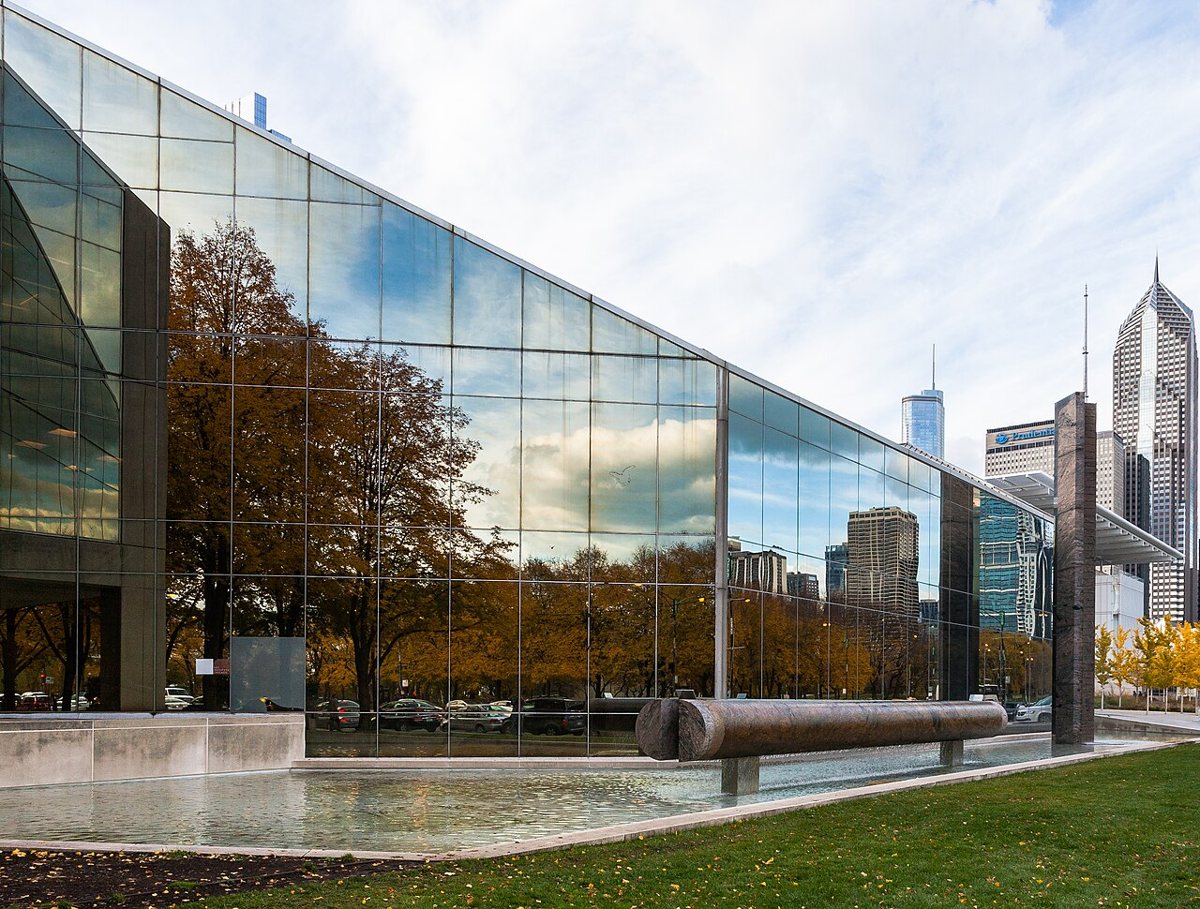
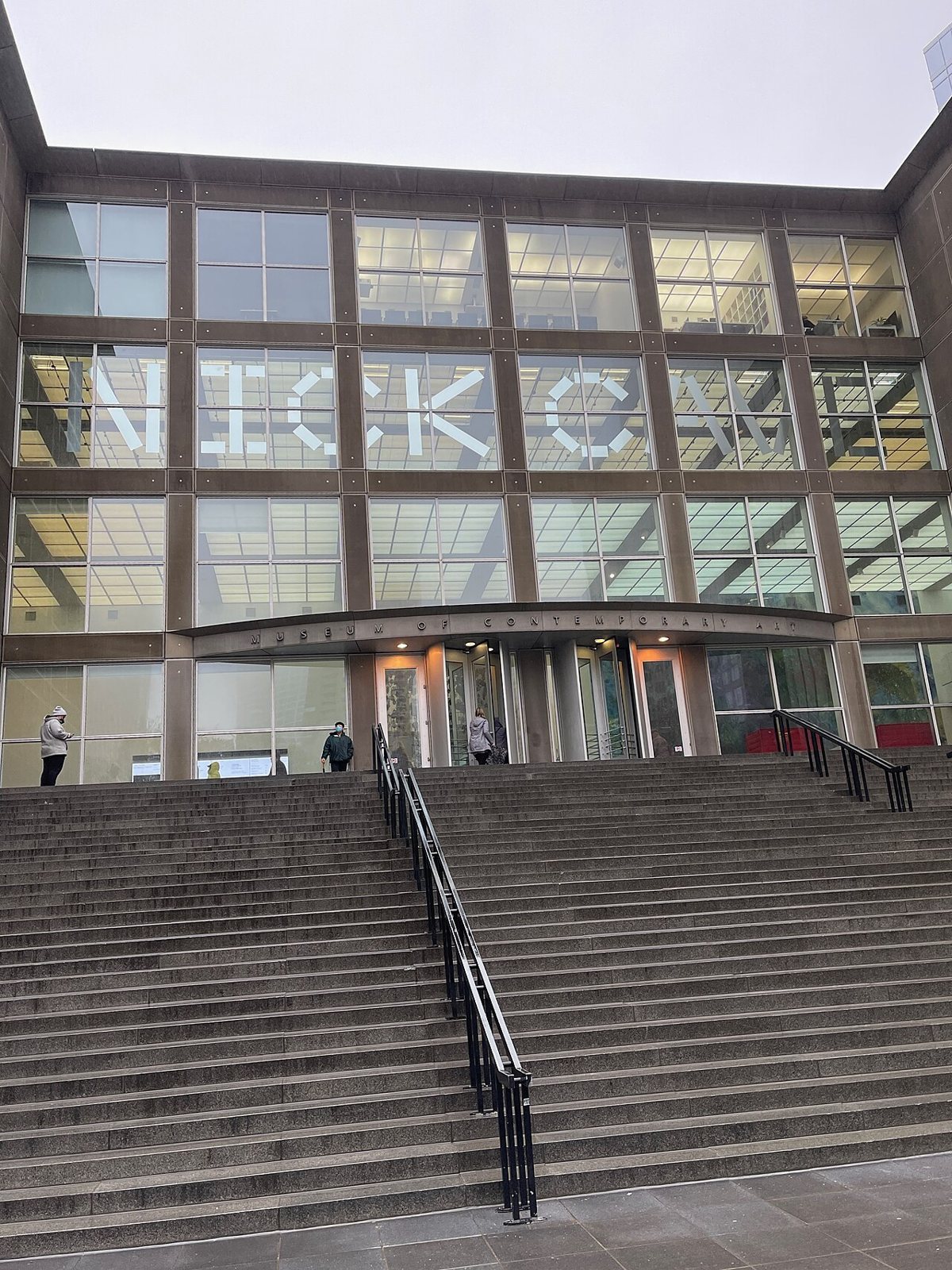
North of the river, the Museum of Contemporary Art Chicago handles the art the Art Institute's historic collection doesn't touch: living artists and gallery-scale installation work, backed by a rotating program that has launched more than a few reputations over the decades. The building itself, a boxy modernist structure a block off Michigan Avenue, backs onto a sculpture garden that connects almost directly to the lakefront path. Aim for a specific show rather than the collection cold, since the MCA's identity changes by design more than a permanent-collection museum's does. The cafe terrace makes a legitimate lunch stop even for visitors skipping the galleries entirely. It sits in Streeterville, close enough to the Magnificent Mile that a stop fits naturally into a day built around downtown shopping and the lakefront.

Chicago Cultural Center
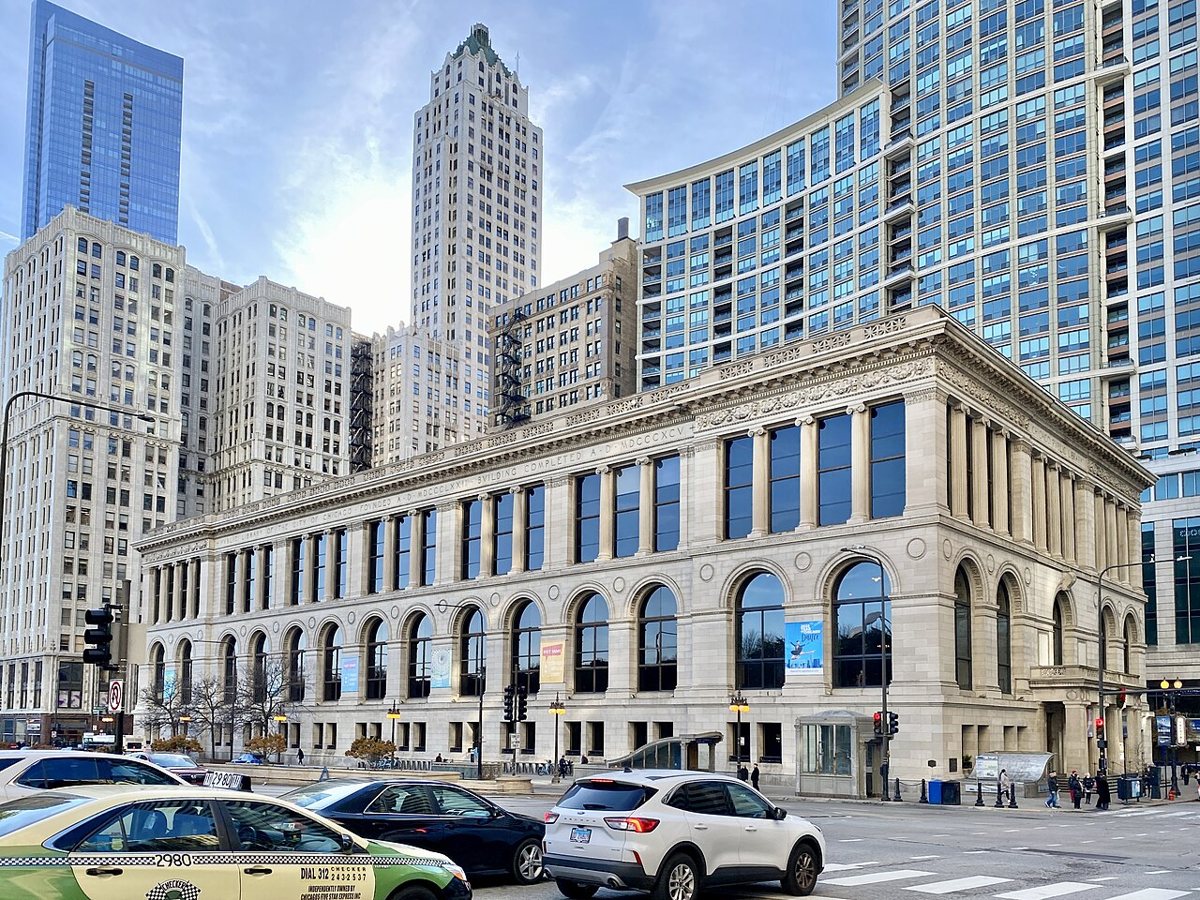
The Chicago Cultural Center, a few blocks into the Loop, might be the single best value in the city because it charges nothing and still delivers an interior more extravagant than almost anything else in the Midwest: the Tiffany glass dome in Preston Bradley Hall is worth the walk over on its own. Built originally as the city's public library, the building now hosts free exhibitions and concerts, plus the visitor information desk where actual humans answer actual questions about the rest of the city's museums. Locals treat it as a shortcut between the Loop and Millennium Park on cold days, cutting through to stay out of the wind while still seeing something worth seeing. Look up in every room along the way. The dome gets the attention, but several of the smaller rooms carry their own stained glass and mosaic work that most visitors walk past on their way to somewhere else.

Driehaus Museum
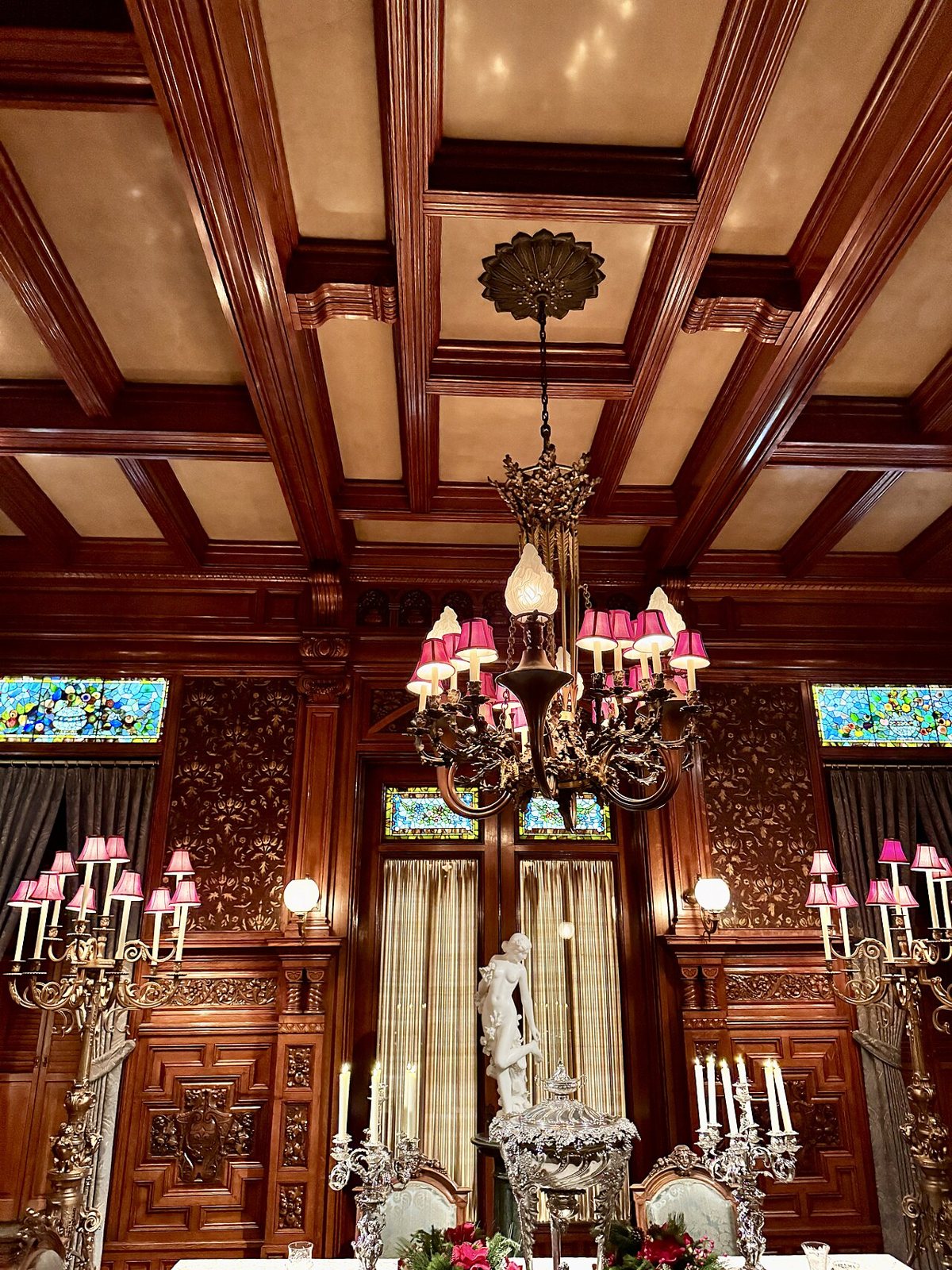
A short walk north, the Driehaus Museum occupies the restored Nickerson Mansion, a Gilded Age house built for a banker who wanted his home to look like nothing else in Chicago. It succeeded. The hand-carved woodwork and stained glass stayed largely intact, and so did the period furnishings. The museum runs the space less like a house tour and more like a decorative arts collection visitors happen to walk through room by room. It suits anyone who already loves the Art Institute's design and architecture holdings and wants more of that period in a single, human-scaled building rather than a sprawling campus. Visit on a weekday afternoon, when the rooms empty out and the details actually get their due. It sits in River North, close enough to the Magnificent Mile that a stop pairs easily with a shopping day or a walk to the river.

Hyde Park and the South Side
The Loop gets most of the tourist traffic, but the South Side carries just as much institutional weight, arguably more of the city's real history, and Hyde Park alone justifies a full day away from downtown.
Museum of Science and Industry
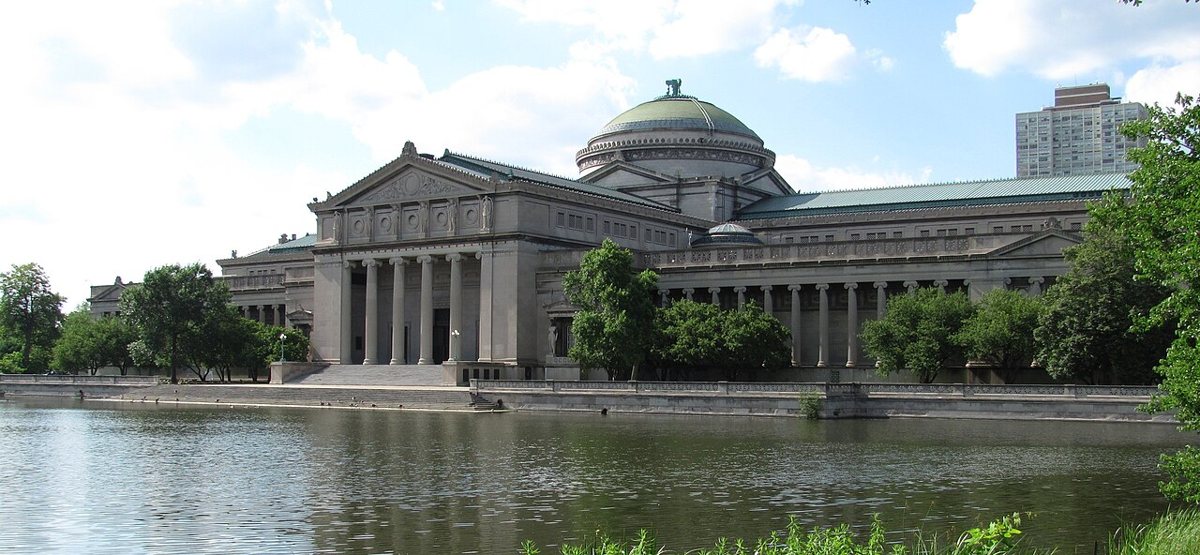
South in Hyde Park, the Museum of Science and Industry occupies a building left over from the 1893 World's Fair, the only structure from that fair still standing on its original site, and inside it holds the kind of hands-on science exhibits that make a full day go by fast: a captured German U-boat and a walk-through coal mine, plus a model train display the size of a small warehouse. The museum is built for a full family day, not a quick stop, and weekend crowds reflect that. The tip worth knowing: MSI sits far enough from the Loop that pairing it with a Hyde Park walk, past the University of Chicago quads and down toward the lake, makes the trip feel like a real excursion rather than one more downtown stop. It anchors the South Side's museum scene and deserves the same billing as anything on the Museum Campus. The building's Great Hall alone, with its soaring columns left from the fair, is worth a slow walk-through even for visitors who came only for the U-boat.

DuSable Black History Museum and Education Center
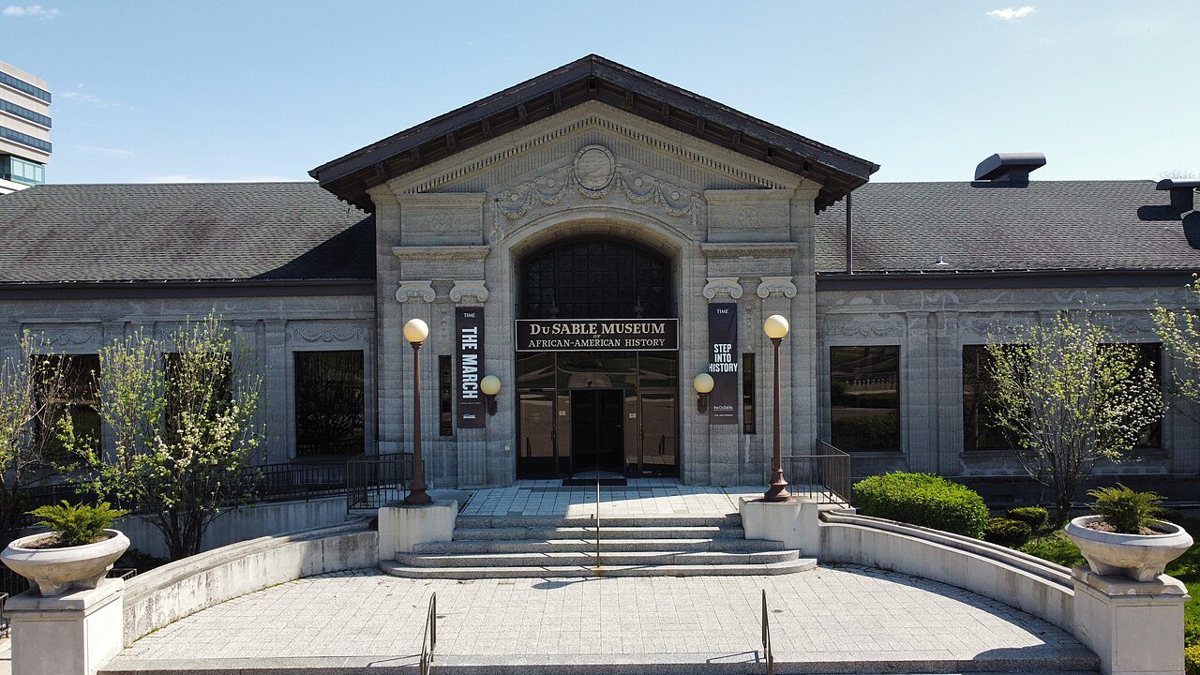
The DuSable Black History Museum and Education Center, also in the Hyde Park area along the edge of Washington Park, was founded in 1961 as one of the first museums in the country dedicated to Black history and culture, years before that kind of institution was common anywhere in the United States. Its collections and exhibitions cover Chicago's own Black Metropolis history alongside the broader arc of Black American life, and the museum carries a weight and a specificity that a general history museum downtown can't replicate. The museum offers essential viewing, not supplementary viewing, for anyone trying to understand Chicago honestly. Segregation shaped this city's map, and a museum guide that only sends visitors to the Loop and the North Side is telling half the story at best. Move slowly through the permanent exhibitions rather than rushing to a downtown dinner reservation. It sits near the Bronzeville and Hyde Park border, in a neighborhood with its own deep architectural and cultural history worth building into the same trip. Bronzeville itself, once known as the Black Metropolis, holds its own walk of greystones and jazz history that pairs naturally with a museum visit rather than competing with it.

Smart Museum of Art
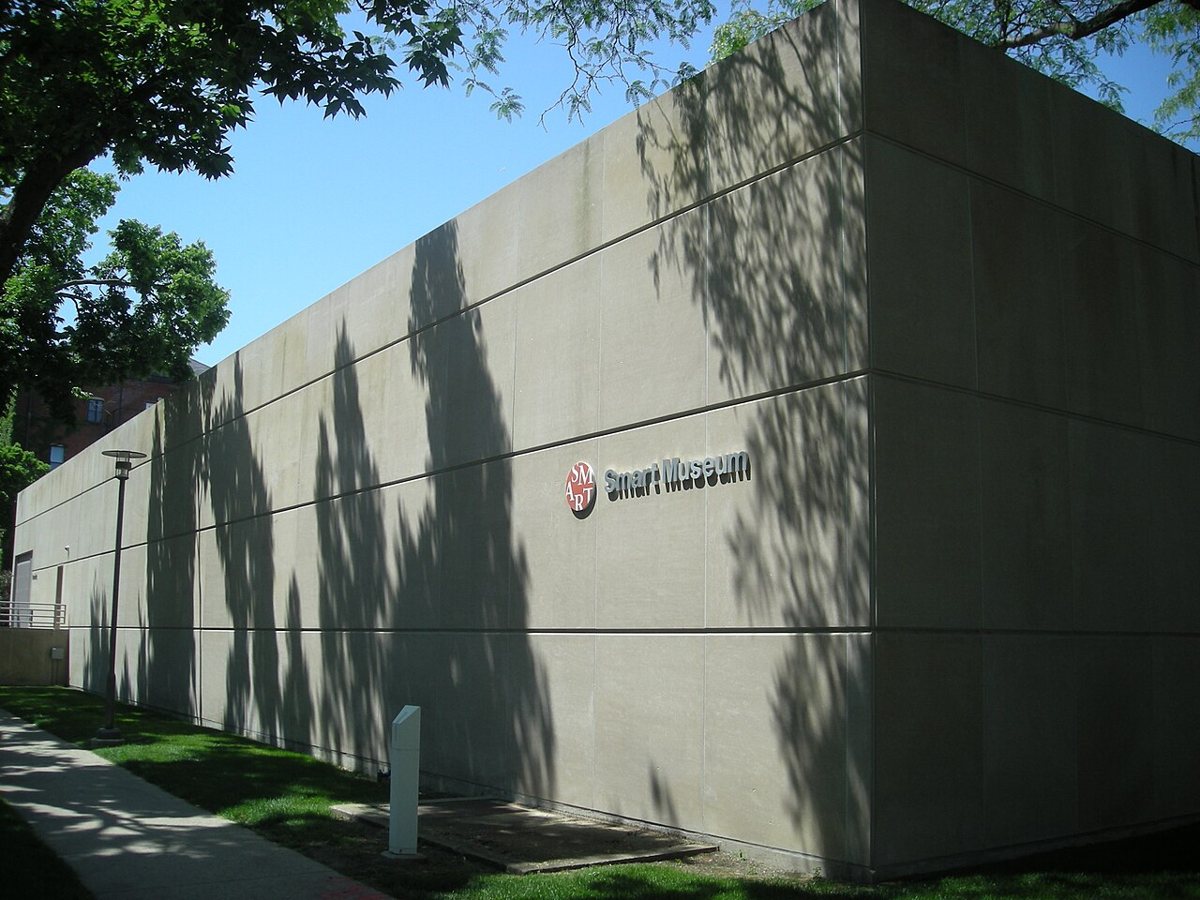
Back on the University of Chicago campus, the Smart Museum of Art runs free and small by design, a teaching museum with a permanent collection spanning several millennia of art, refreshed constantly by exhibitions tied to the university's own scholarship. It rewards the kind of visitor who likes a museum they can actually finish in an hour rather than one that demands a full day of standing. Students move through it between classes, which keeps the place feeling lived-in rather than roped off. Pair it with the Robie House a few blocks away and the DuSable a short walk south for a Hyde Park afternoon that covers architecture and art alongside Black history, without a single L ride in between. It sits inside the University of Chicago campus, a short walk from the Museum of Science and Industry.

Pilsen, Bronzeville, and the Stories the Loop Doesn't Tell
The West and Southwest Sides hold two of the most necessary museums in the city, neither of which shows up often enough in visitor guides built entirely around downtown addresses.
National Museum of Mexican Art
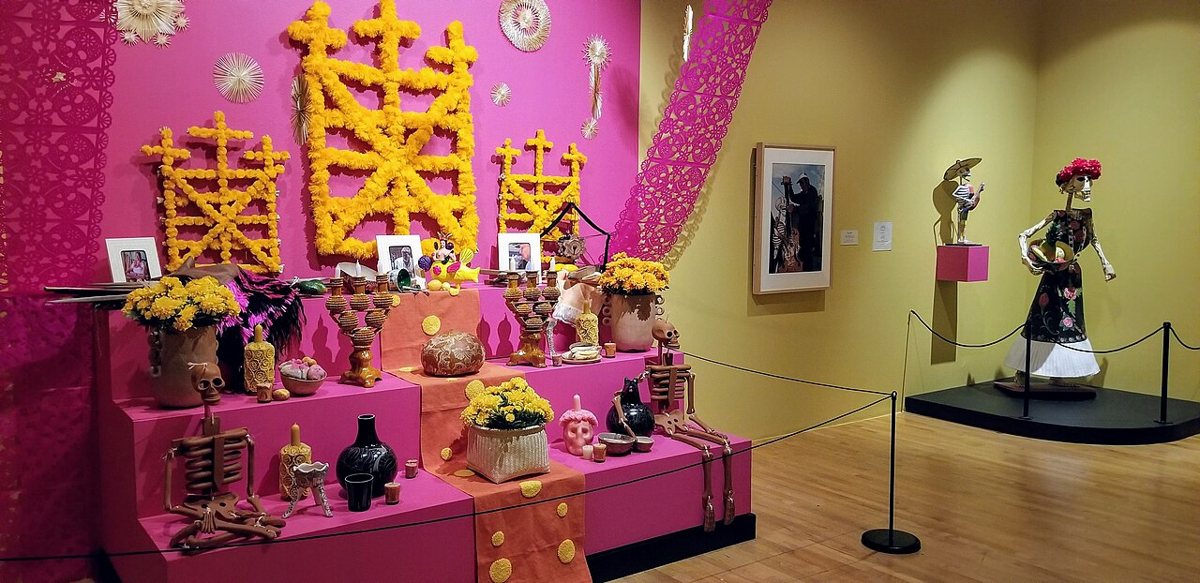
West of downtown in Pilsen, the National Museum of Mexican Art holds the largest collection of Mexican art in the country and charges nothing to get in, a fact that still surprises visitors used to paying admission everywhere else on this list. The permanent collection spans folk art and colonial-era religious pieces alongside contemporary work, and the annual Dia de los Muertos exhibition draws visitors from well outside the neighborhood. Pilsen itself is as much the point as the museum: walk 16th Street and Blue Island Avenue afterward and the murals covering garage doors and building sides turn the whole neighborhood into an extension of the galleries. This is a South and West Side anchor that belongs on any serious museum list, not a side trip tacked onto the end of one. It sits in Pilsen, reachable by the Pink Line, in a neighborhood that has been a Mexican-American hub for generations, and a museum visit here works best as one stop on a longer afternoon spent on foot rather than the only reason for the trip.

National Public Housing Museum
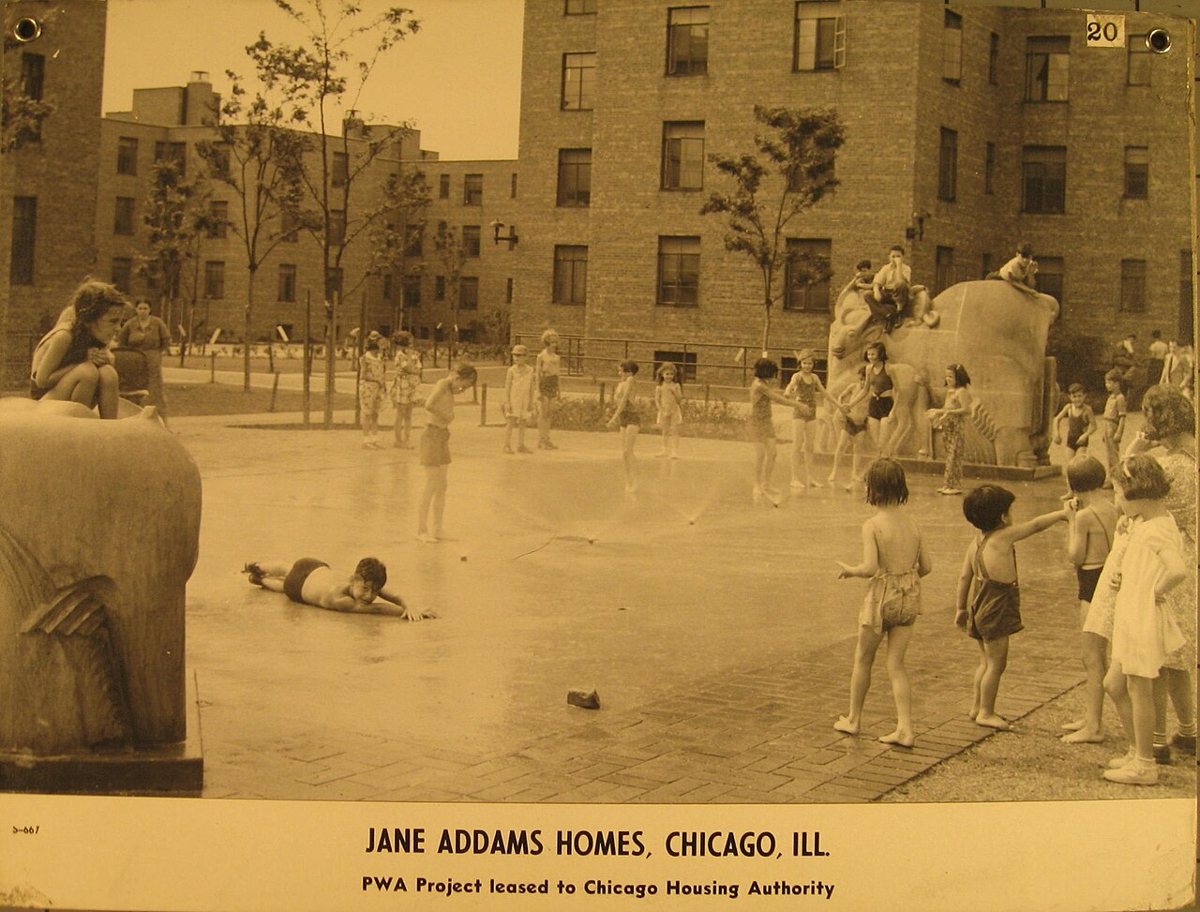
The National Public Housing Museum, housed in the last remaining building of the old Jane Addams Homes near the Near West Side, tells a part of Chicago's story that the design-forward museums downtown tend to skip: what it actually meant to live in the city's public housing developments, told through preserved apartments and the recollections of former residents. It is the newest and smallest museum on this list, and arguably the most necessary of all of them, a direct answer to the idea that Chicago's history is only architecture and industry. Go in expecting a personal, apartment-by-apartment scale rather than sweeping halls, since that intimacy is the entire point of the place. It sits on the Near West Side, close to the University of Illinois Chicago campus and a short ride from the Pilsen museums.

A Few More Worth Your Time
None of these carry a full day on their own, but each one earns a stop if the schedule and the neighborhood line up.
- The Chicago History Museum, on the edge of Lincoln Park, covers the city's founding, the Great Fire, and its labor and political history in a building that also functions as a genuine research archive.
- The Peggy Notebaert Nature Museum, also in Lincoln Park, runs a butterfly haven and native-habitat exhibits that make it the strongest option in the city for a family visit built around nature rather than art or industry.
- The International Museum of Surgical Science, set in a Gold Coast mansion overlooking the lake, is as strange and specific as it sounds, tracing the history of medicine through instruments most visitors have never seen outside a period film.
- The Museum of Contemporary Photography, on Columbia College's South Loop campus, keeps a rotating photography program running year-round and rarely draws a crowd big enough to need a line.
Getting There, Timing It Right, and What's Actually Free
The L makes most of this list workable without a car. The Museum Campus museums sit an easy walk from the Roosevelt stop on the Red, Orange, and Green Lines, and seasonal trolley and bus connections along the lakefront cover the rest. Hyde Park runs on Metra Electric from downtown and on the Green Line with a bus transfer, which makes it feel farther from the Loop than it actually is. Pilsen sits directly on the Pink Line. The Loop and River North museums cluster tightly enough to walk between on any day with decent weather, which in Chicago means more months of the year than outsiders usually assume. Driving downtown works too, but parking near the Museum Campus or River North on a weekend afternoon costs more time and money than most of these visits are worth.
On timing, weekday mornings beat weekend afternoons everywhere on this list, and anything on the Museum Campus gets a wave of school groups by midmorning for most of the year. Illinois residents should check each museum's own current calendar for its free admission days, since several of the major institutions here, the Art Institute of Chicago and the Field Museum among them, along with the Museum of Science and Industry, are generally known for offering free or discounted days for Illinois or Chicago residents at different points in the year. The Chicago Cultural Center and the National Museum of Mexican Art charge nothing at all, any day, which makes either one the easiest add-on to an itinerary already in motion. Smaller institutions like the Smart Museum of Art and the National Public Housing Museum tend to run free or low-cost year-round as well, since their missions lean toward education and community history rather than blockbuster ticketing.
Ask which American city has the best museums and Chicago rarely gets the first mention outside its own city limits, which says more about how this place undersells itself than about the actual collections. New York can keep its size. What Chicago has is a Museum Campus walkable in a single afternoon, a lakefront that behaves like an ocean shore rather than a pond, and a set of neighborhood institutions, the DuSable and the National Museum of Mexican Art among them, plus the National Public Housing Museum, that tell the city's full story instead of the postcard version of it. Any list of the best museums in chicago that stops at the Loop and Michigan Avenue is an incomplete list, because this city's most honest history sits in Bronzeville, Pilsen, and Hyde Park just as much as it sits behind the Art Institute's lions. Build a trip that touches both sides of that line, maybe alongside a longer crawl through the neighborhoods that make those museums make sense, and the city will make its own case better than any ranking can. Nobody who has stood at the tip of the Museum Campus at dusk, with the lake on one side and the skyline on the other, walks away thinking this city needs to apologize to anyone.